

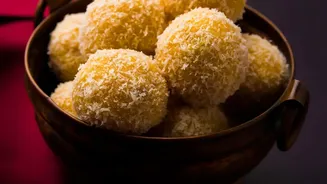
A Sweet Twist on a Household Staple
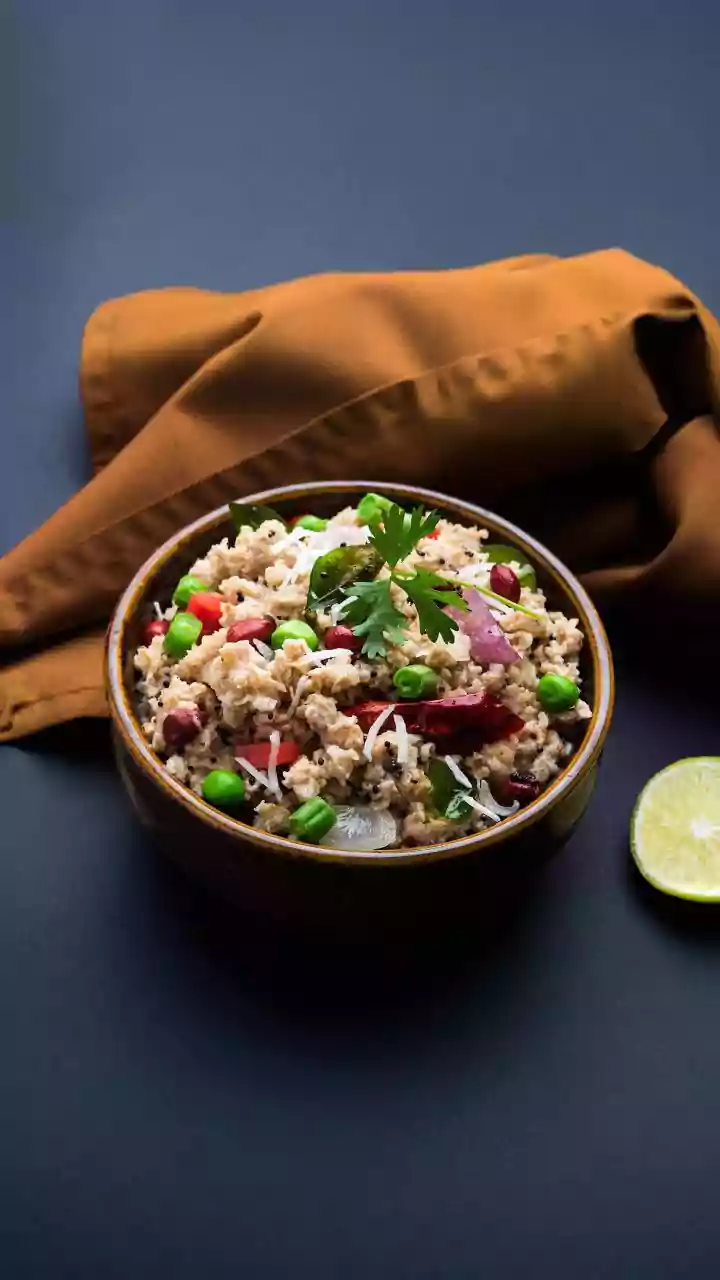
For many across India, poha is the go-to breakfast, a savoury mix of flattened rice, onions, spices, and sometimes potatoes or peanuts. But there is another, equally beloved version that swaps spice for sweetness. Known variously as Vella Aval in Tamil
Nadu, Sihi Avalakki in Karnataka, or Goda Poha in Maharashtra, this sweet preparation is a testament to the versatility of flattened rice. It is often prepared as a 'neivedyam' or offering during festivals like Krishna Janmashtami and Ganesh Chaturthi, carrying a simple, divine quality. The story of Sudama offering a humble pouch of poha to his friend Lord Krishna highlights its cultural significance, symbolizing friendship and devotion.
The Core Trio: Jaggery, Coconut, and Cardamom
The magic of this dish lies in the classic combination of three ingredients central to Indian sweets. Jaggery, or 'gur', provides a deep, earthy sweetness that is less processed than refined sugar. It retains minerals like iron, magnesium, and potassium, and according to Ayurveda, it is easier on digestion. Freshly grated coconut adds a rich texture and moisture that helps soften the poha flakes, while its natural sweetness complements the jaggery perfectly. Finally, a pinch of fragrant cardamom powder ties everything together, lending an aromatic warmth that is both uplifting and unmistakable. Some variations also include a touch of edible camphor for a more divine aroma, especially when prepared for religious offerings.
Choosing the Right Flattened Rice
The texture of your sweet poha depends heavily on the type of flattened rice you use. Poha is generally available in thick ('jada') and thin ('patla' or paper) varieties. For sweet poha, the choice often comes down to personal preference and preparation method. Thin poha is delicate and requires no soaking; a quick rinse is enough, and it softens almost instantly when mixed with the moist jaggery and coconut. Thick poha, on the other hand, needs to be washed and soaked for a few minutes until it becomes soft but still holds its shape, providing a chewier texture. Red rice poha can also be used for a nuttier flavour and added health benefits.
A Simple Guide to Making Sweet Poha
There are two primary ways to prepare sweet poha, both wonderfully simple. The first is a no-cook method: simply rinse and drain your chosen poha. In a bowl, use your hands to mix powdered or grated jaggery with fresh coconut and cardamom powder until well combined. Then, add the softened poha and mix gently until every flake is coated in the sweet mixture. A spoonful of ghee can be added for extra richness. The second method involves creating a light jaggery syrup. Melt jaggery with a very small amount of water in a pan to form a bubbling syrup. Turn off the heat, add the softened poha, grated coconut, and cardamom powder, and stir everything together until the syrup coats the flakes evenly. The mixture will seem a bit liquid at first but will thicken as it sits.
Serving and Variations
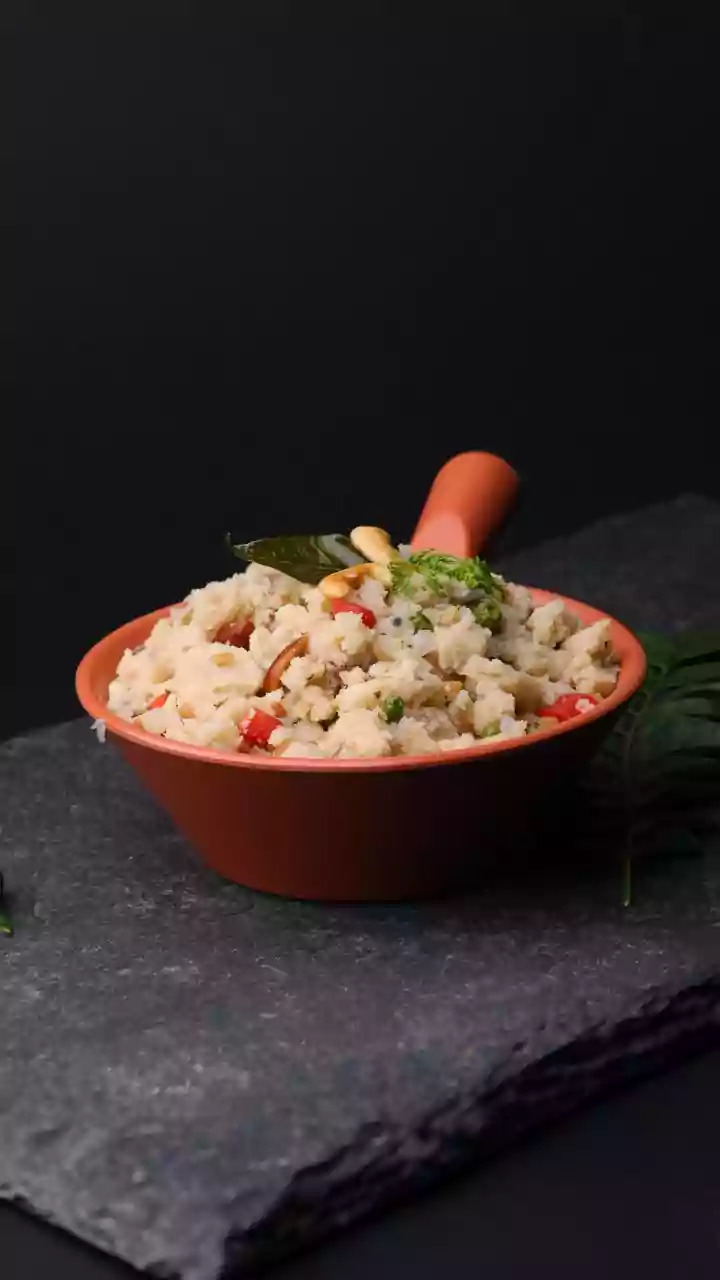
Sweet poha is best served immediately, while the texture is perfect. It can be enjoyed as a quick and healthy evening snack, a light dessert, or as part of a festive meal. To enhance the dish, consider adding a garnish of roasted nuts like cashews or almonds, which provide a delightful crunch. A handful of raisins can add bursts of sweetness, and a final drizzle of warm ghee elevates the flavour to another level. While delicious on its own, it can also be served with a side of fresh banana. This dish is a beautiful reminder that sometimes the most memorable flavours come from the simplest of recipes, passed down through generations.