




The Nutritional Debate: Fresh vs. Frozen
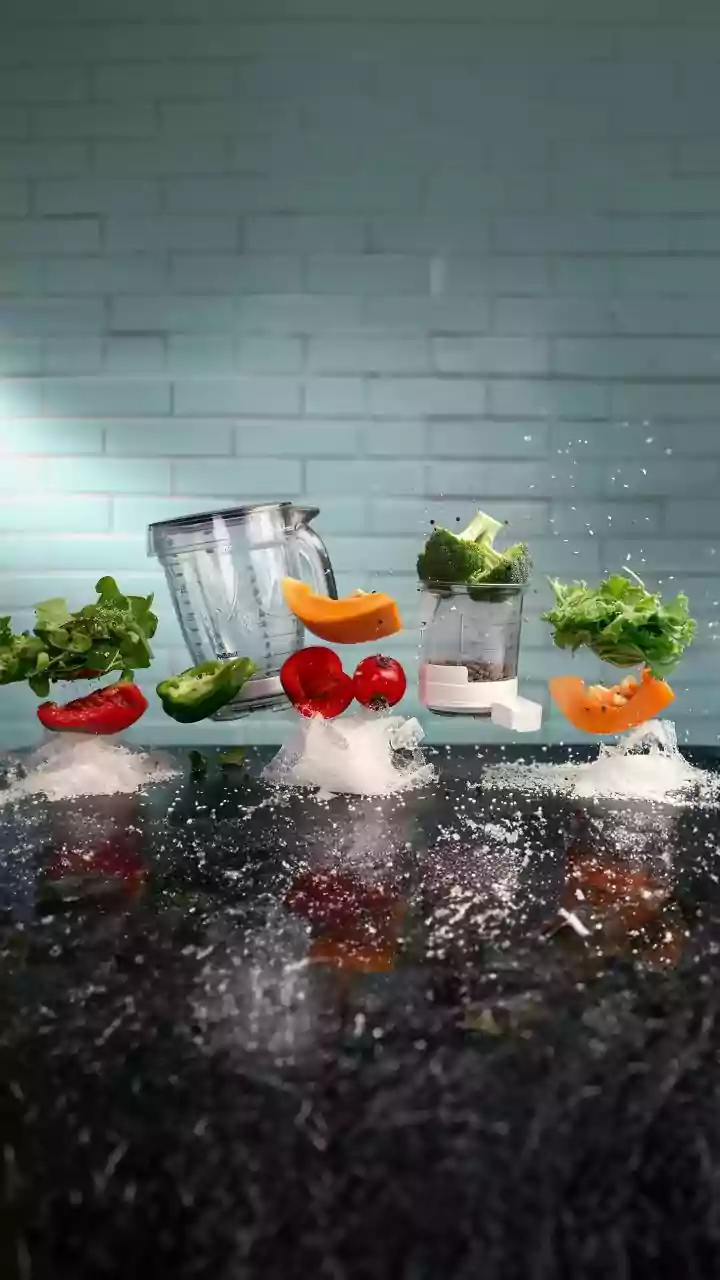
One of the most persistent myths about frozen vegetables is that they are nutritionally inferior to their fresh counterparts. The reality, however, is often the opposite. Vegetables destined for the freezer are typically picked at their peak ripeness
when they are most packed with vitamins and minerals. They are then quickly blanched and flash-frozen, a process that locks in nutrients that would otherwise begin to degrade over time. Fresh produce, on the other hand, can spend days or even weeks in transit and on store shelves, gradually losing some of its nutritional value along the way. Studies have shown that the nutrient content of frozen vegetables is broadly comparable to fresh, and in some cases, such as for Vitamin A and C, frozen varieties can even be higher. This makes them an excellent and reliable source of fibre, antioxidants, and essential vitamins all year round.
Your Wallet Will Thank You
The most immediate benefit of choosing frozen vegetables is the cost savings. Fresh produce prices can fluctuate dramatically based on season and availability. Frozen vegetables, however, tend to have much more stable pricing, making them easier to budget for. They allow you to enjoy vegetables like green peas or sweet corn throughout the year without paying a premium. Furthermore, frozen vegetables lead to significantly less food waste. Unlike fresh produce that can spoil in your refrigerator if not used quickly, a bag of frozen vegetables can be stored for months. You use only what you need and return the rest to the freezer, ensuring that your money isn't ending up in the compost bin. This long shelf life and the ability to buy in bulk make frozen produce a very budget-friendly component of any meal plan.
The Convenience Factor
In today's fast-paced world, convenience is key to maintaining healthy eating habits. Frozen vegetables excel here. They come pre-washed, pre-chopped, and ready to cook, saving you valuable prep time in the kitchen. This is a game-changer for busy professionals and parents trying to get a nutritious meal on the table quickly. The minimal preparation makes it easier to incorporate more vegetables into your diet, from quick stir-fries and curries to soups and side dishes. Instead of spending time peeling and chopping, you can simply open a bag and add the contents directly to your pan. This ease of use helps make healthy eating more accessible and sustainable for everyone.
From Freezer to Table: Smart Cooking Tips
To get the best out of your frozen vegetables, it’s important to cook them correctly. The number one rule for most recipes is to avoid thawing them first. Thawing can cause the vegetables to release water, resulting in a mushy, waterlogged texture when cooked. For most dishes like stir-fries, curries, or soups, you can add the vegetables directly from the freezer into the hot pan or pot. This helps them retain their firmness and vibrant colour. Since they were blanched before freezing, they often cook faster than their fresh counterparts, so be careful not to overcook them. Roasting frozen vegetables like broccoli and cauliflower at a high temperature with a little oil is another great way to achieve a delicious texture.
Perfect for Indian Kitchens
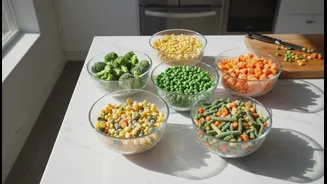
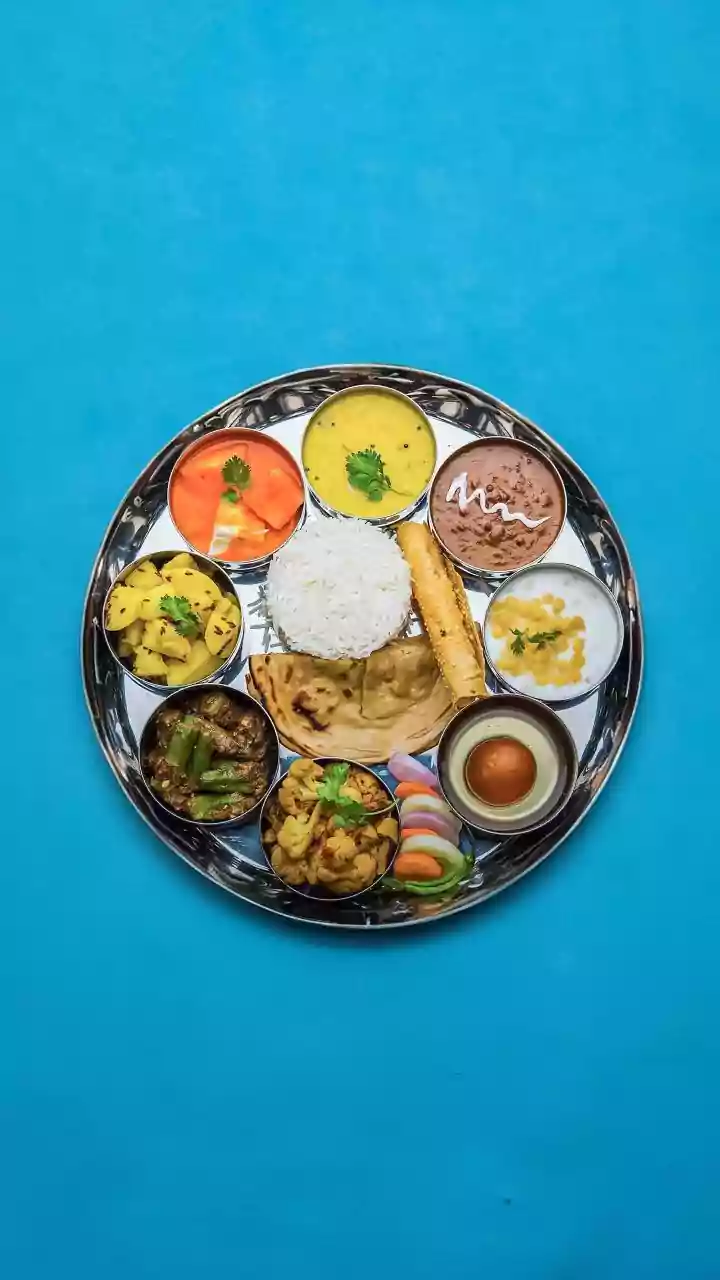
Frozen vegetables are incredibly versatile and fit seamlessly into Indian cooking. A bag of mixed vegetables (carrots, peas, beans, corn) is perfect for a quick vegetable pulao, upma, or a mixed sabzi. Frozen peas are a staple for classic dishes like Aloo Matar and Matar Paneer, available any time you crave them. Frozen spinach can be thawed, drained, and easily incorporated into dals, parathas, or palak paneer. The key is to add them towards the end of the cooking process for curries and sabzis to prevent them from becoming too soft. Having a well-stocked freezer means you always have the base for a flavourful and nutritious Indian meal ready to go.