




A Shift from Volume to Value
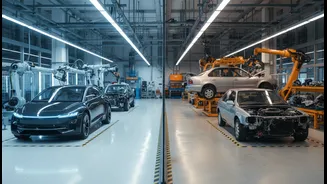
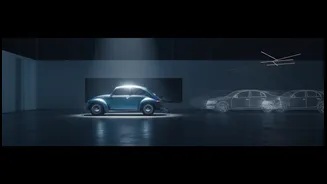
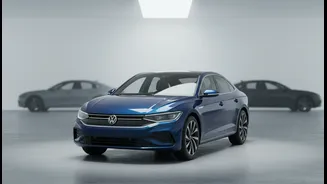
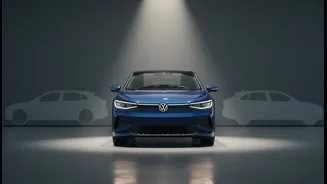
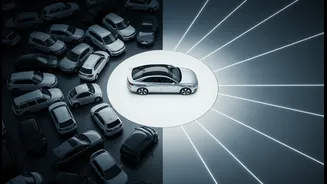
Volkswagen has announced one of the most significant strategic shifts in its history, planning to cut its global vehicle lineup by as much as 50% by 2030. This isn't just about discontinuing a few slow-selling cars. The company also intends to reduce
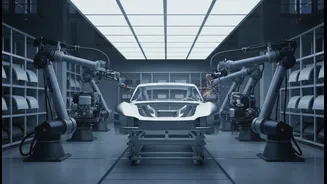
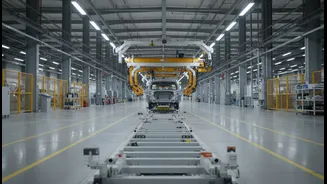
the complexity of its remaining models, slashing the number of available equipment combinations and trim levels by up to 75%. The era of custom-ordering a car with a unique combination of engine, paint, and interior features is coming to a close. Instead, VW will focus on core models in the most profitable market segments, a strategy that puts operational efficiency and financial returns ahead of offering maximum choice to the consumer.
The Financial Squeeze
This drastic move is a response to intense financial pressure. The company faces a perfect storm of challenges: the colossal cost of developing electric vehicles and new software, fierce competition from agile Chinese EV manufacturers, slowing EV demand in Europe, and rising costs for materials and energy. Volkswagen's profits have been hit hard, with a significant sales collapse in its single largest market, China, adding to the urgency. In Q2 2026, deliveries in China plunged by 36.6%. Volkswagen Brand CEO Thomas Schäfer has stated that the company simply doesn't make enough money from its cars under the current structure and that the cuts are necessary for survival. The goal is to simplify everything from the supply chain to manufacturing, reduce costs, and speed up product development.
Which Models Are on the Chopping Block?
Volkswagen has not yet released an official list of the models that will be discontinued. However, the strategy indicates that the cuts will likely target slow-selling vehicles, niche models, and areas where multiple brands within the Volkswagen Group (which includes Audi, Skoda, and Porsche) offer overlapping products. Industry analysts believe that certain sedans and hatchbacks in crowded segments could be at risk, while high-volume sellers like the Tiguan SUV are expected to form the core of the future lineup. The changes will be most noticeable in the European and Chinese markets, where VW's portfolio is currently at its most complex.
Implications for the Indian Market
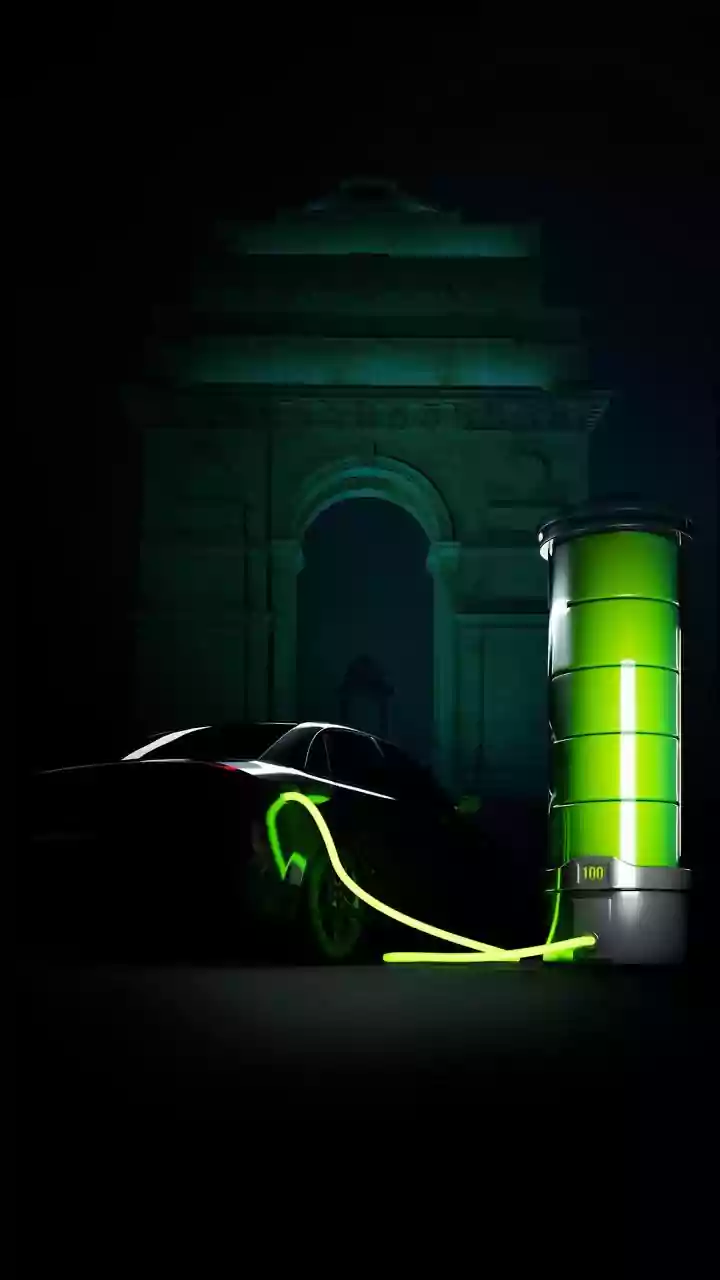
While no specific cuts have been announced for India, this global strategy will inevitably influence future plans for the region. Volkswagen's 'India 2.0' strategy has already focused on localising production and concentrating on the competitive SUV and sedan segments with models like the Taigun and Virtus. The new global direction suggests this focus will intensify. Indian customers might see a stronger emphasis on globally popular SUVs and fewer niche models imported as completely built units (CBUs). The push for simplification could also accelerate platform sharing between Volkswagen and Škoda in India, a core pillar of the current strategy. The company is aiming for a 5% market share in India before 2030, a goal that will require profitable, high-volume products.
A Wider Industry Trend
Volkswagen is not alone in this strategic retreat from complexity. Other legacy automakers, including Ford and General Motors, have made similar moves in recent years, culling their sedan lineups to focus on more profitable SUVs and trucks. This reflects a broader industry recognition that the old model of endless variation is unsustainable, especially when grappling with the expensive and existential transition to electric mobility. By simplifying product offerings, carmakers hope to become leaner and more resilient, mirroring the successful, streamlined approach of newer players like Tesla and various Chinese brands.