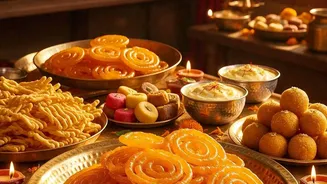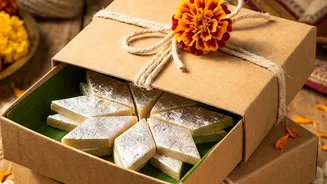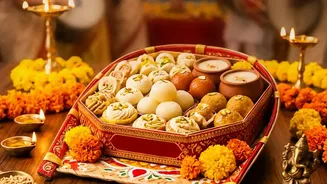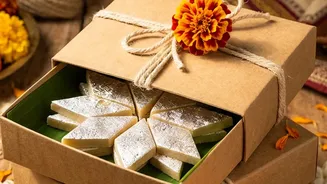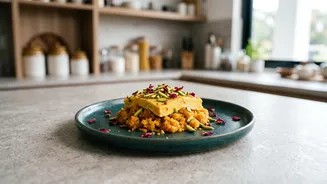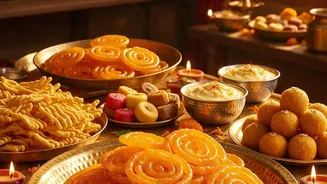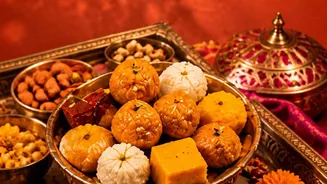



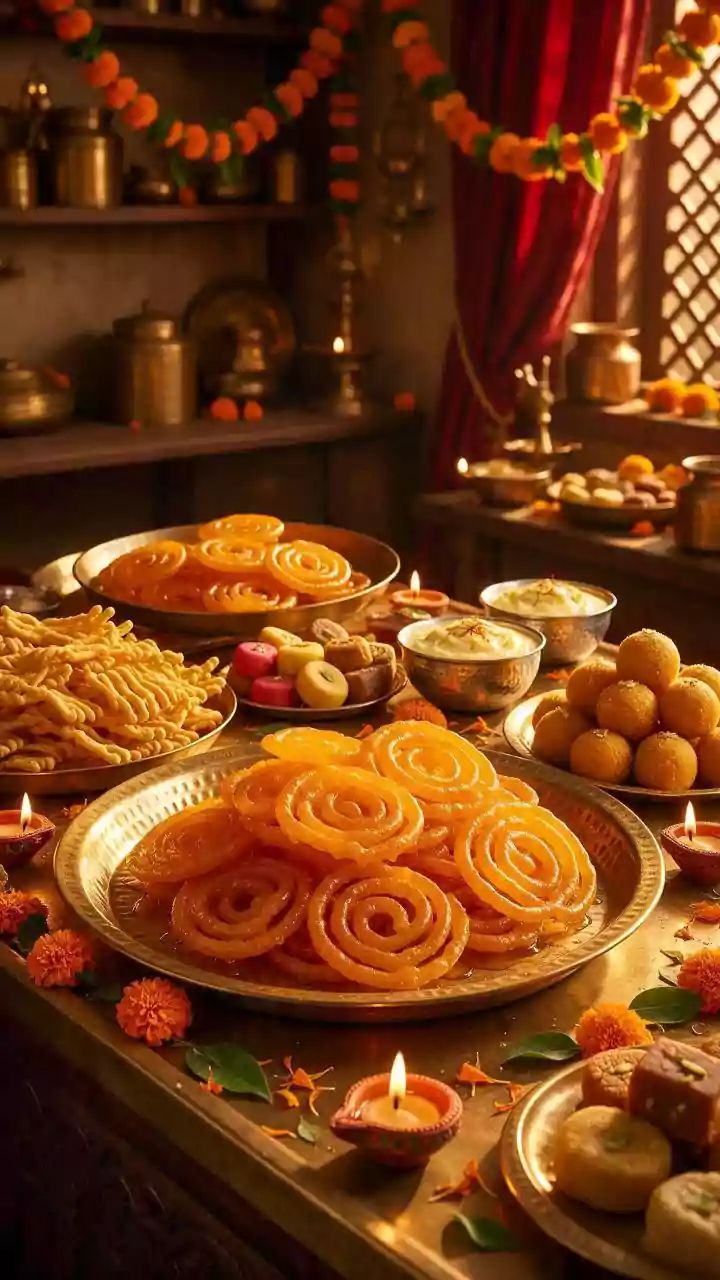
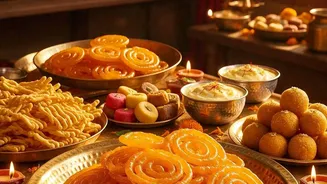
The festive lights may have dimmed, but the mountain of mithai boxes in the fridge remains. Instead of letting them go to waste, let's give those delicious leftovers a second life. Here's your guide to safely storing and creatively reusing them.
First, A Freshness Check
Before
you think about repurposing, a quick inspection is crucial. Not all sweets age gracefully. Your senses are the best tools for this job. A sour, stale, or musty smell is a clear red flag, especially for milk-based sweets like barfi, peda, and kalakand, which spoil quickly. The texture should also be right; sweets that are meant to be soft shouldn't be hard or unusually sticky, and any visible mould means the entire box should be discarded, as spores can contaminate the whole batch. Sweets made with khoya (milk solids) are particularly perishable and should be eaten within a few days of being made.
Smart Storage Solutions
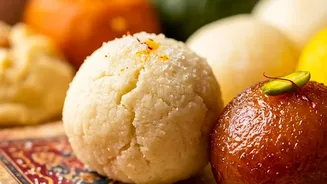
Proper storage is key to extending the life of your mithai. The golden rule is to separate dry sweets from syrupy ones. Storing a dry ladoo next to a gulab jamun is a recipe for a soggy disaster. Use airtight containers to keep out moisture and prevent the sweets from absorbing other odours from the fridge. Milk-based sweets like rasgulla and rasmalai must be refrigerated and are best consumed within two to three days. Drier sweets like besan ladoo, kaju katli, and dry fruit barfi have a longer shelf life and can be kept at room temperature in a cool, dark place for about a week. For longer storage, freezing is an option for many mithai types. Barfis, pedas, and ladoos freeze well when wrapped individually and stored in an airtight container for up to a month. However, avoid freezing syrupy sweets like rasgulla or delicate milk cakes, as their texture can be ruined upon thawing.
From Ladoo to Delicious Crumble
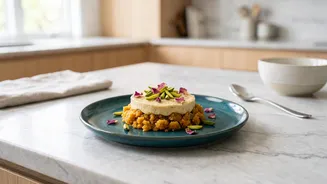
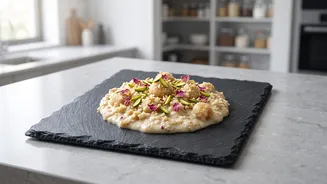
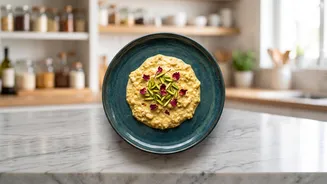
One of the easiest ways to reuse leftover motichoor or besan ladoos is to turn them into a versatile crumble. Simply break them apart with a fork or your fingers. This golden, fragrant crumble can be used as a topping for vanilla ice cream, sprinkled over a bowl of plain yoghurt, or layered with chopped fruits like banana and pomegranate to create a quick and elegant parfait. It adds a delightful texture and sweetness that can transform a simple dessert into something special, without any extra cooking required.
Barfi and Peda Milkshakes or Kulfi
Khoya-based sweets like plain barfi, milk cake, or pedas are perfect for creating rich, creamy drinks and frozen desserts. For a quick milkshake, simply blend a few pieces of mithai with cold milk and a pinch of cardamom. You can skip the extra sugar entirely. To make an impressive kulfi, crumble the mithai into warm milk, stir until it dissolves, and then pour the mixture into kulfi moulds and freeze for at least eight hours. This works beautifully with pista, almond, or kesar-flavoured mithai, infusing the kulfi with their distinct flavours.
Give Your Bakes a Mithai Twist
Crumbling leftover mithai into your baking batter is another fantastic way to give it new life. Pieces of barfi, crumbled ladoos, or even kaju katli can be folded into a simple cake or brownie batter before baking. This not only adds pockets of flavour and texture but also infuses the entire bake with a desi_fusion twist. Keep in mind that the mithai will add sweetness, so you may need to reduce the amount of sugar in your original recipe. For a simpler approach, use crumbled barfi or soan papdi as a crunchy, sweet topping for a plain vanilla cake or a tray of muffins.
Create a Savoury_Sweet Paratha
For a truly inventive twist, consider making a meetha paratha. Crumbled ladoos or barfis, mixed with a hint of cardamom powder, can be used as a sweet stuffing inside paratha dough. Cook the parathas on a tawa with a generous amount of ghee until golden brown and crisp. Served hot, these sweet parathas make for a unique and indulgent breakfast or snack. They pair surprisingly well with a dollop of plain curd or a spoonful of creamy rabri, balancing the sweetness with a tangy or rich counterpoint.