
What is World Space Week?
Every year from October 4 to 10, space agencies, schools, museums, and enthusiasts in over 95 countries celebrate the contributions of space science and technology to our lives. Declared by the United Nations in 1999, these specific dates were chosen
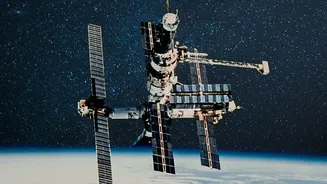
for their historical significance. October 4 marks the day in 1957 when the Soviet Union launched Sputnik 1, the first artificial satellite, officially opening the space age. October 10 commemorates the day in 1967 when the Outer Space Treaty, the foundational legal framework for peaceful space exploration, came into force. The week serves as the largest annual space event globally, designed to educate the public, inspire the next generation of scientists and engineers, and foster international cooperation.
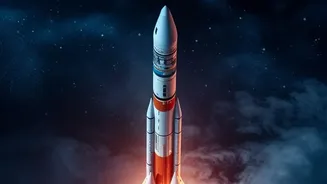
2026 Theme: The 'Rocket Revolution'
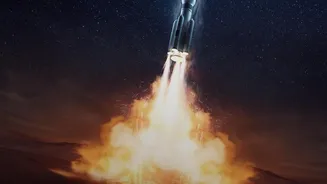
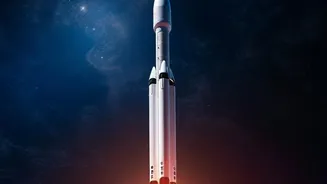
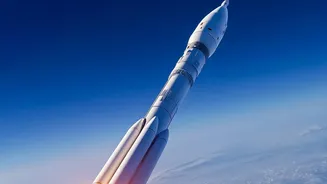
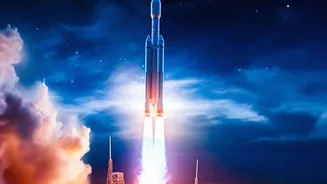
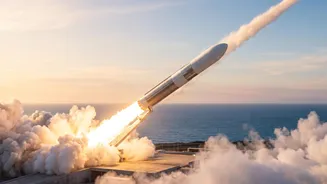
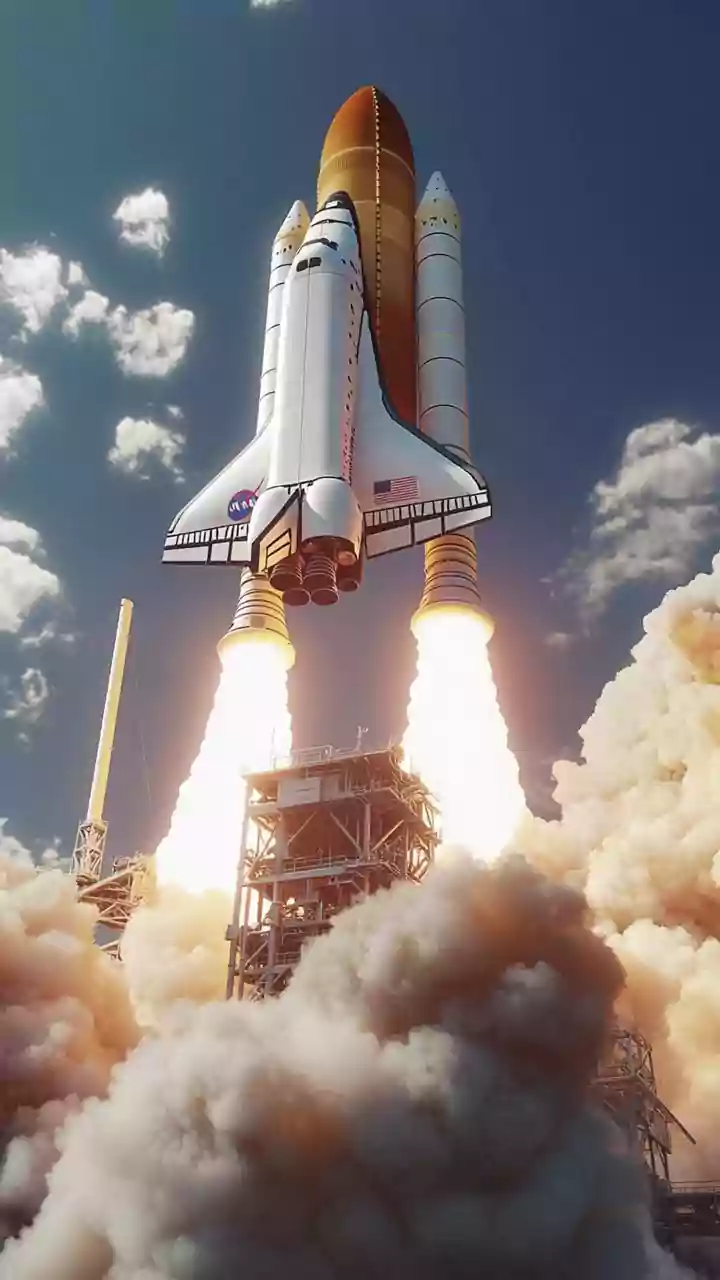
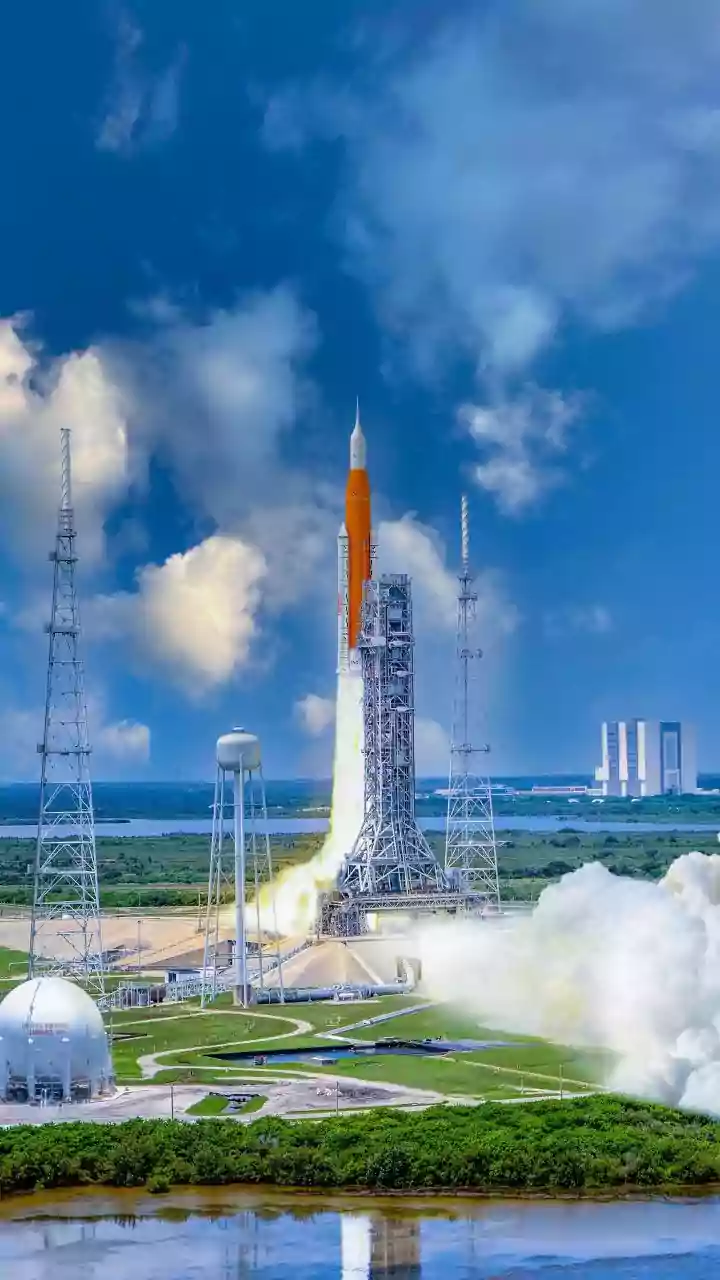
Each World Space Week has a unique theme, and for 2026, it's the 'Rocket Revolution'. This theme focuses on the dramatic transformation happening in space launch technology. For decades, launching anything into orbit was the exclusive domain of a few government space programs using expensive, single-use rockets. The 'Rocket Revolution' highlights the shift towards reusable rockets, smaller commercial launch providers, university-led projects, and a growing number of countries entering the space arena. This revolution isn't just about technology; it's changing who can access space, how often we can launch, and what we can achieve in orbit, from scientific research to new commercial ventures.
Why Rockets Resonate in India
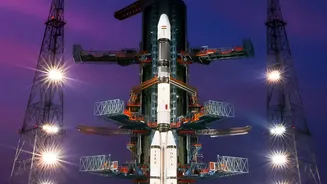
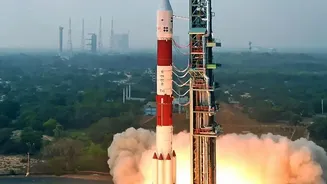
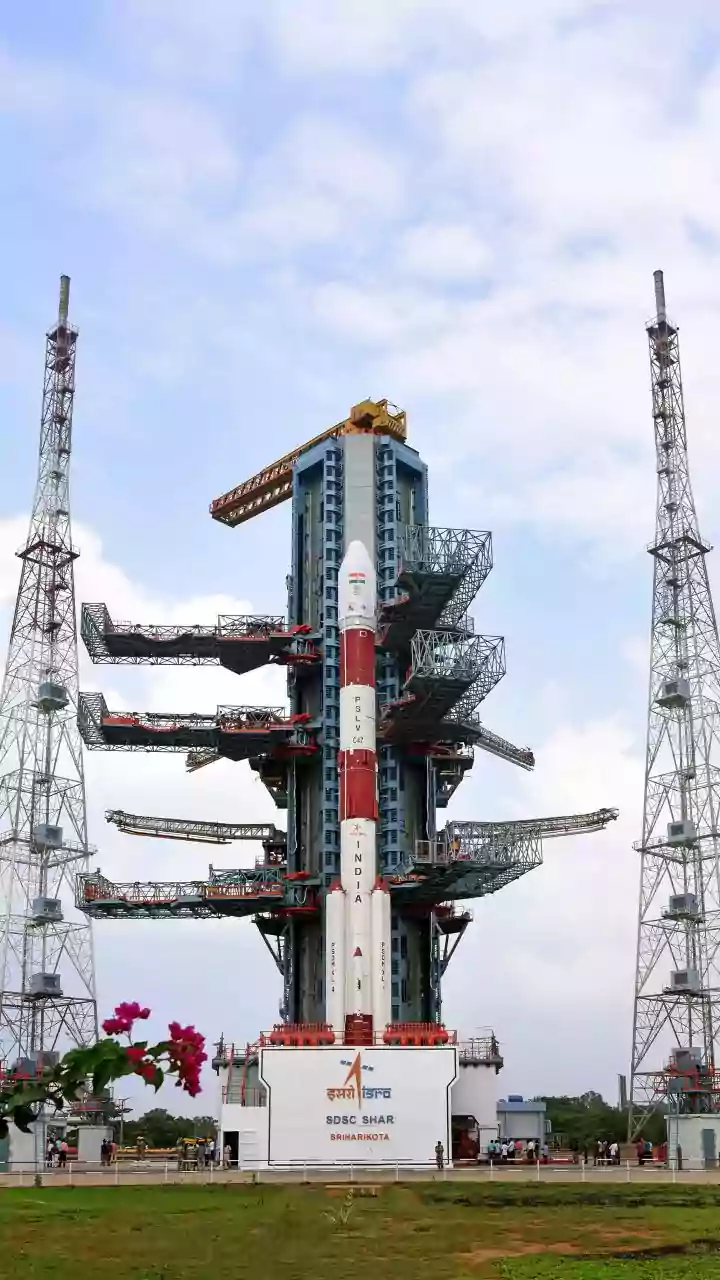
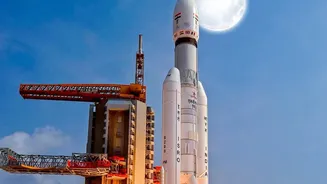
The theme of 'Rocket Revolution' holds special significance for India. The nation's space journey, spearheaded by the Indian Space Research Organisation (ISRO), has been built on the back of its own reliable and cost-effective rockets. Launch vehicles like the Polar Satellite Launch Vehicle (PSLV) have become workhorses, not just for India's own satellites but for international clients as well, cementing India's place in the global launch market. More recently, the powerful LVM3 rocket successfully carried the Chandrayaan-3 mission to the Moon, a moment of immense national pride. With ambitious projects like the Gaganyaan human spaceflight program, development of semi-cryogenic engines, and experiments with reusable launch vehicle technology, India is not just a participant but a key player in the ongoing rocket revolution.
How to Celebrate in India
Across India, World Space Week is marked by a flurry of activity aimed at bringing space closer to the people. ISRO centres, such as the Vikram Sarabhai Space Centre (VSSC) in Kerala, traditionally organise extensive public outreach programs. These often include open houses, lectures by eminent scientists, student competitions, and mobile exhibitions that travel to different towns and cities. Schools, universities, and science centres are major hubs for celebration, hosting workshops, model rocketry contests, and stargazing sessions. SPACE India, the national coordinator for the event, helps facilitate many of these activities, uniting schools across the country in a shared celebration of science and exploration.
Inspiring Tomorrow's Space Pioneers
Beyond the technical marvels, World Space Week has a deeper goal: to inspire. By focusing on a tangible and exciting theme like rockets, the event aims to capture the imagination of students and encourage them to pursue careers in Science, Technology, Engineering, and Mathematics (STEM). For a country with a large youth population and soaring aspirations, this is crucial. The 'Rocket Revolution' isn't just a theme; it's a live, ongoing story of innovation and problem-solving. It shows young Indians that the seemingly impossible is within reach and that they can be part of building the future, whether it's designing the next generation of launch vehicles, analysing satellite data to combat climate change, or planning future interplanetary missions.