



A Modern Answer to an Ancient Problem
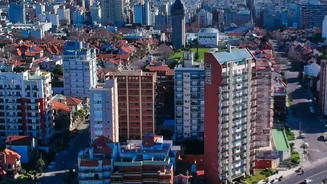
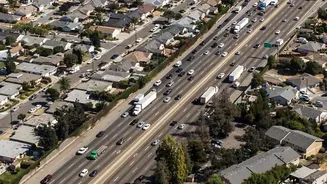
Varanasi, one of the world's oldest living cities, has long grappled with a modern-day challenge: crippling traffic congestion. The narrow, winding lanes leading to sacred sites like the Kashi Vishwanath Temple and the Ganga ghats become nearly impassable
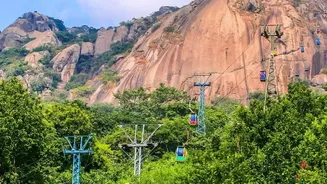
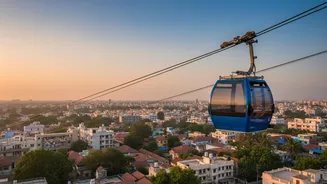
for the millions of residents, pilgrims, and tourists who flock to the city. A journey from the Cantonment Railway Station to the Godowlia Chowk area can take up to an hour, a stressful and exhausting start for visitors. Instead of attempting massive demolitions in the dense heritage zone, the government has opted for a futuristic solution: India's first urban public transport ropeway. This 3.75 km aerial corridor aims to float passengers above the gridlock, cutting the journey to a mere 15-16 minutes.
Beyond Convenience: A Lifeline for All
While the project is celebrated for its innovation, its most profound impact will be measured by its inclusivity. Varanasi attracts a vast number of elderly pilgrims, and navigating the crowded streets is a significant physical challenge for them, as well as for differently-abled individuals (Divyangjan) and families with young children. For this a large and vital segment of visitors, a fast ropeway is meaningless if they cannot easily access it. The promise of the Kashi Ropeway is not just to move people faster, but to do so with dignity and ease for everyone, regardless of their mobility. This commitment transforms the project from a simple transport solution into a powerful tool for social equity.
From the Ground Up: Designing for Dignity
True accessibility is a seamless experience that begins the moment a passenger approaches the station. Project plans indicate a focus on this holistic journey. Stations are being designed with barrier-free access, incorporating essential features like elevators and escalators to connect different levels. This ensures that a person using a wheelchair or an elderly pilgrim who struggles with stairs can navigate the station without assistance. The cabins themselves are another critical component. Each of the European-designed gondolas, which can hold up to 10 passengers, is being built with the needs of disabled and senior citizens in mind, specifically allowing space for wheelchairs. This thoughtful design from 'street to cabin' is what will set a new benchmark for public infrastructure in the country.
The Blueprint for an Inclusive India
The successful implementation of these accessibility features carries weight far beyond Varanasi. As India's first public transport ropeway, the Kashi project is a blueprint for other cities, especially temple towns and heritage sites facing similar challenges. By prioritising universal design, it demonstrates that modern infrastructure can and should be built to serve 100% of the population. An accessible ropeway makes Kashi a more welcoming destination for a wider demographic of tourists, potentially boosting the local economy. It enhances the quality of life for local residents and sends a clear message that India's development goals include creating a more inclusive and accessible society for all its citizens.
The Final Mile: Ensuring Flawless Execution
While the plans are promising, the true test lies in their execution and maintenance. Integrating state-of-the-art accessible facilities into the complex urban fabric of Varanasi is a monumental task. Every ramp must have the correct gradient, every elevator must be consistently functional, and staff must be trained to assist passengers with diverse needs. The project is a joint effort involving Swiss manufacturer Bartholet and is expected to be fully operational in 2026. As the trial runs continue and the final stations are completed, the focus must remain firmly on ensuring these crucial accessibility features are not just present, but perfectly implemented and maintained for years to come.