






An Industry Taking Flight
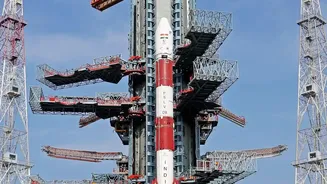
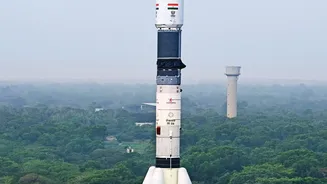
The last few years have marked a turning point for India's space ambitions. Once the exclusive domain of the Indian Space Research Organisation (ISRO), the sector is now a hotbed of private innovation. Since the government opened the sector in 2020, over 400
space-tech startups have emerged, attracting significant investment and global attention. Companies like Skyroot Aerospace, with its successful Vikram-1 launch in July 2026, and Agnikul Cosmos, with its 3D-printed rocket engines, are demonstrating that private enterprise can deliver on complex space missions. This boom is projected to quintuple the value of India's space economy from around $8.4 billion in 2023 to over $44 billion by 2033, creating a massive wave of new opportunities.
The Sobering Talent Crunch
This explosive growth, however, has exposed a fundamental weakness: a shortage of specialised talent. While India produces approximately 1.5 million engineering graduates annually, a large percentage are not considered employable for the high-precision demands of the aerospace sector. Industry leaders report a significant gap between the general engineering skills taught in universities and the specific, mission-critical expertise required for space technology. This skills deficit leads to prolonged hiring cycles, project delays, and increased training costs, acting as a bottleneck that could throttle the industry's otherwise impressive momentum.
The Most In-Demand Skills
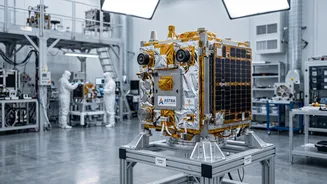
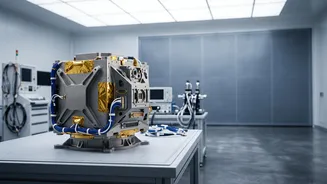
The talent shortage is not uniform; it's concentrated in highly specialised domains. Experts consistently point to a critical need for engineers with experience in propulsion, avionics (the electronic systems of spacecraft), and guidance systems. Other hard-to-fill roles include satellite systems engineers, materials scientists who work with space-grade components, and experts in Radio Frequency (RF) engineering. Furthermore, as space becomes more data-driven, there is a growing demand for professionals skilled in AI, machine learning, and data analytics to process the vast amounts of information sent back from satellites. These roles require not just theoretical knowledge but hands-on experience, which is often lacking in academic curricula.
Why Does the Gap Exist?
The roots of the talent gap are multifaceted. For one, traditional university programmes often struggle to keep pace with the rapid technological advancements in the private space sector. Curricula may lack practical elements and exposure to industry-standard software and hardware. Another factor is competition from other attractive sectors like IT, automotive, and defence electronics, which often offer higher starting salaries and clearer career paths, luring top engineering talent away. There's also the challenge of experience; many of the most valuable skills in space technology are honed over years of working on real-world missions, creating a shortage of mid-career professionals who can lead complex projects.
Bridging the Divide
Recognising the urgency, both the government and private industry are beginning to take action. The government has announced short-term skill development courses and is establishing pilot space labs on university campuses to provide hands-on payload development experience. IN-SPACe, the nodal agency for authorising private space activities, is also focused on nurturing the ecosystem. Startups themselves are getting creative, diversifying recruitment beyond campus hiring to include employee referrals, partnerships with specialised universities, and lateral hiring from adjacent industries like defence and robotics. Some experienced talent is also migrating from ISRO to the private sector, bringing invaluable expertise that can accelerate development at these emerging companies.