




The Challenge: More Than Just Rising Prices
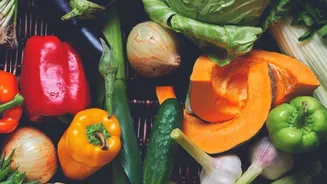
Recent reports show that food inflation is a persistent issue, with the prices of essential vegetables like onions, tomatoes, and cauliflower seeing significant hikes. This trend, driven by weather disruptions and supply chain pressures, is forcing families
to rethink their budgets. While general advice often focuses on buying seasonal produce or shopping at local mandis, a more nuanced strategy can yield even better results. The common mistake is to grab the vegetable with the lowest price per kilo without considering its purpose. This can lead to disappointing meals and food wastage, which ultimately costs more. A watery, inexpensive tomato might seem like a bargain, but it can ruin a rich gravy, while a handful of slightly more expensive, firm tomatoes would have delivered the right flavour and texture.
A Smarter Strategy: Shop by Function
The key to unlocking real value is to shift your mindset from price-first to use-first. Think like a chef: What job does this vegetable need to do? Is it providing bulk for a curry, crispness for a salad, or a caramelized flavour for a roast? Different vegetables have distinct properties—water content, sturdiness, and flavour—that make them suitable for specific cooking methods. Understanding this allows you to make strategic swaps and selections. It's not about ignoring prices, but about making sure the price you pay is justified by the vegetable’s performance in the kitchen. This approach ensures you get the most out of every rupee spent, leading to better-tasting food and a more efficient grocery budget.
For Hearty Curries and Stews
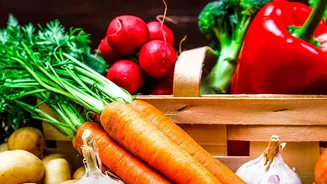
When making dishes that simmer for a long time, like dals, sambar, or meat curries, you need vegetables that can absorb flavour and hold their shape without turning into mush. Sturdy, dense vegetables are your best friends here. Think of root vegetables like carrots, potatoes, and sweet potatoes. Gourds such as lauki (bottle gourd) and pumpkin are also excellent choices, as they become tender while adding body to the dish. Onions are a foundational ingredient, and while their prices can fluctuate, they are indispensable for creating a flavour base. In contrast, using delicate vegetables like spinach or capsicum in a slow-cooked dish would be a waste, as their texture and fresh flavour would be lost.
For Crisp Salads and Fresh Raitas
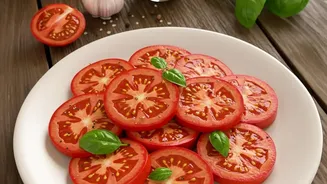
For raw preparations, texture is everything. Here, you need vegetables that are fresh, crunchy, and vibrant. Cucumbers, radishes (mooli), firm tomatoes, and crisp onions are perfect for a classic kachumber salad or a refreshing raita. The freshness is non-negotiable; a slightly wilted but cheap vegetable will make for a sad, limp salad. When fancy lettuce seems too expensive, a simple mix of grated carrots and chopped cabbage can provide a delightful crunch at a fraction of the cost. The focus here is on peak freshness, as no amount of cooking can hide a lack of quality in a raw dish.
For Roasting, Grilling, and Stir-Fries
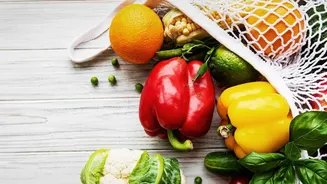
High-heat cooking methods like roasting, grilling, or making a quick stir-fry call for vegetables that can withstand the heat and develop a delicious char without becoming soggy. Cauliflower (gobi), broccoli, bell peppers (capsicum), beans, and onions are ideal candidates. They have a robust structure that allows them to become tender-crisp and caramelize beautifully. Potatoes and sweet potatoes are also fantastic for roasting. If cauliflower prices are high, cabbage can be a surprisingly effective and affordable substitute in a stir-fry, offering a similar texture when cooked quickly. The goal is to choose vegetables that won't release too much water, ensuring a flavourful, not steamed, result.
Smart Swaps and Bulk Buys
Adopting a use-first approach empowers you to make intelligent substitutions. If tomatoes are expensive, using a bit of tomato puree or even tamarind for tartness in a curry can work wonders. If leafy greens see a price spike, consider using more affordable options like spinach or amaranth leaves instead of pricier varieties. Furthermore, some vegetables that last longer, like potatoes, onions, and pumpkins, can be bought in slightly larger quantities when prices are favourable, providing a steady supply for your pantry. Planning your meals for the week before you shop is a great habit that complements this strategy, ensuring you buy exactly what you need for each dish and minimizing waste.