






The search for a breakfast that is both traditionally satisfying and nutritionally sound can feel endless. Enter the vegetable multigrain upma—a modern twist on a classic that packs flavour, fibre, and sustained energy into every spoonful.
Why Start Your Day with Multigrain?
Swapping refined
flours for a multigrain blend is one of the simplest yet most effective upgrades you can make to your diet. Unlike single-grain flours, a multigrain mix provides a wider spectrum of nutrients. It is typically rich in dietary fibre, which aids digestion, helps you feel full for longer, and supports weight management. Furthermore, the complex carbohydrates in whole grains release energy slowly and steadily, preventing the mid-morning slump and keeping blood sugar levels stable. This makes a multigrain breakfast an excellent choice for sustained energy throughout the day.
The Power Trio: Ragi, Jowar, and Bajra
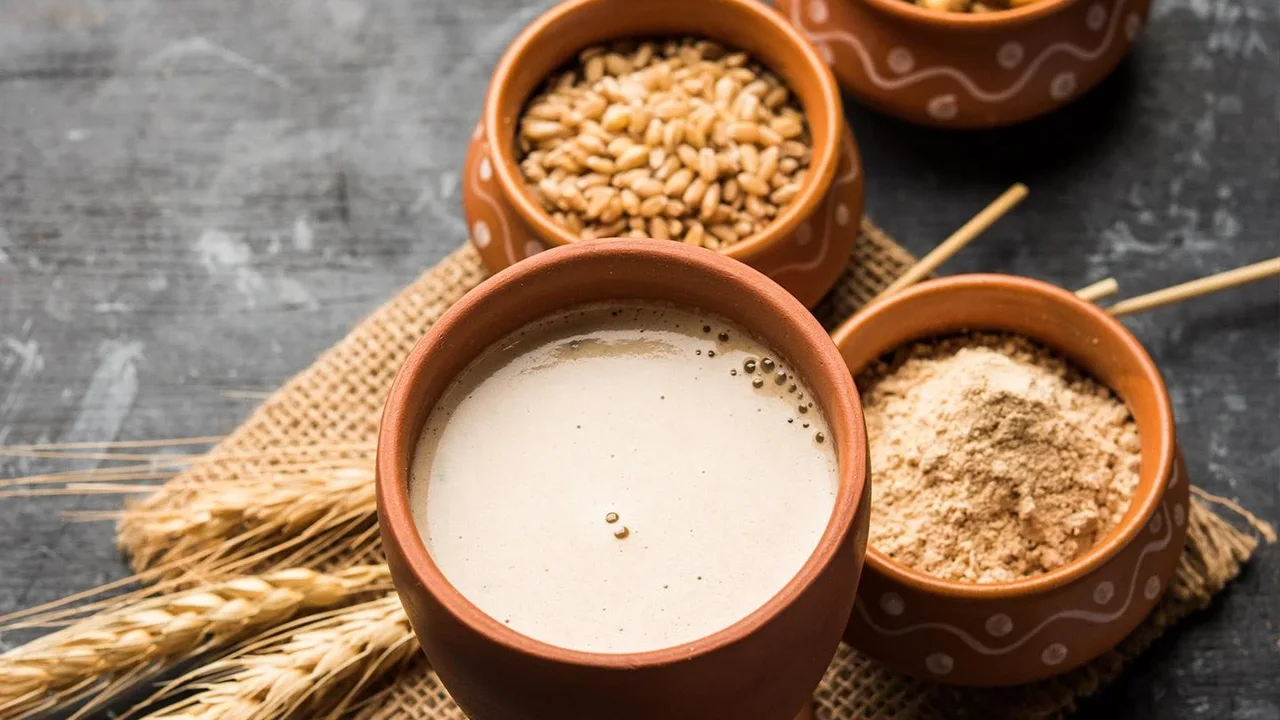
Many multigrain flours feature a blend of powerful millets. Ragi (finger millet) is a nutritional hero celebrated for its high calcium content, which is vital for bone health. Jowar (sorghum) is prized for being light on the stomach and easy to digest, making it a gentle grain for many. It's also a good source of protein and fibre. Bajra (pearl millet) is a traditional winter staple known for being rich in iron and providing warmth and energy. Combining these grains means you’re getting a diverse range of benefits in one meal, from stronger bones to better digestion and improved energy levels.
The Ultimate Vegetable Multigrain Upma Recipe
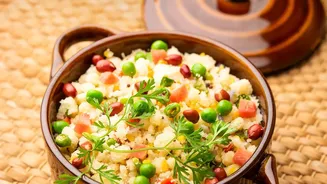
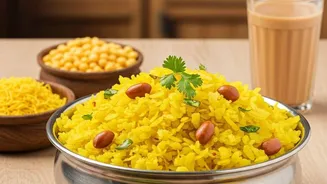
This recipe transforms the humble upma into a powerhouse of nutrition without sacrificing the comforting taste you love. It's savoury, packed with vegetables, and comes together quickly for a convenient weekday breakfast. The key is to roast the multigrain flour properly and use the right ratio of water to achieve a soft, fluffy texture. This version is endlessly adaptable, so feel free to add your favourite seasonal vegetables.
Ingredients
For this recipe, you will need: 1 cup of multigrain flour (a mix of ragi, jowar, bajra, and whole wheat works well), 3 to 4 cups of water, 2 tablespoons of oil or ghee, 1 teaspoon of mustard seeds, 1 teaspoon of urad dal, 1 teaspoon of chana dal, 1 medium onion (finely chopped), 1 green chilli (slit), a few curry leaves, 1-inch piece of ginger (grated), 1 cup of mixed vegetables (carrots, peas, beans, corn), salt to taste, 1 teaspoon of lemon juice, and fresh coriander for garnish.
Step -by -Step Instructions
First , dry roast the multigrain flour in a pan on low -medium heat for 4 -5 minutes until it becomes aromatic , then set it aside . In the same pan , heat the oil or ghee . Add the mustard seeds and let them splutter . Add the urad dal and chana dal , frying until they turn light golden brown . Next , add the chopped onion , green chilli , grated ginger , and curry leaves . Sauté until the onions become soft and translucent . Add the mixed vegetables and cook for another 2 -3 minutes . Pour in the water , add salt , and bring the mixture to a rolling boil . Slowly add the roasted multigrain flour while stirring continuously to prevent lumps from forming . Cover the pan , reduce the flame to low , and let it cook for 7 -8 minutes , or until all the water is absorbed and the upma is cooked through . Turn off the heat , add a squeeze of lemon juice and garnish with fresh coriander . Let it rest for a few minutes before serving hot .
Tips for the Perfect Upma
To ensure your upma is soft and not dry , the water ratio is crucial ; a 1 :3 or 1 :4 flour -to -water ratio is generally recommended for a softer texture . Don 't skip roasting the flour , as this step is essential for a good flavour and non -sticky texture . Feel free to experiment with vegetables like finely chopped capsicum or sweet corn for added crunch and sweetness . For an extra protein boost , you can add roasted peanuts or cashews along with the tempering .