


A Global Summit for a Crowded Sky
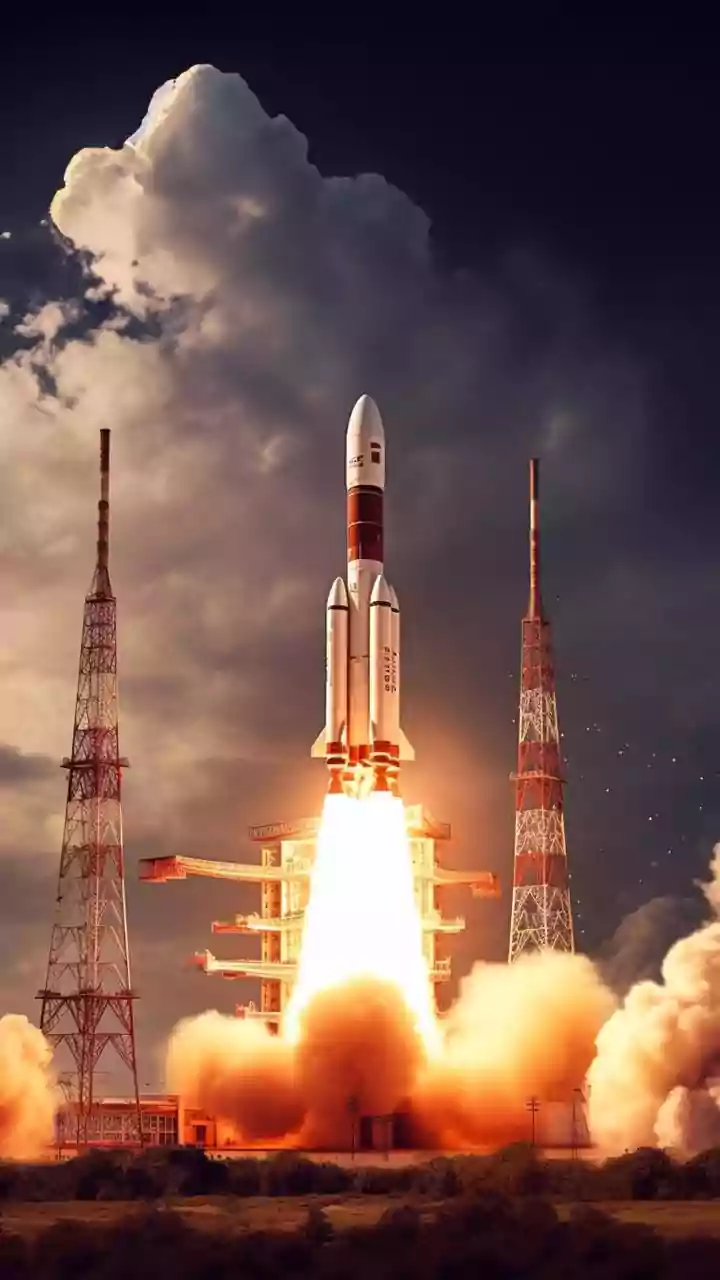
The International Conference on Spacecraft Mission Operations, or SMOPS-2026, is a key global summit hosted by the Indian Space Research Organisation (ISRO) in collaboration with international partners. Held in Bengaluru, India's space capital, the event
brings together the world's leading space agencies, scientists, and private companies. The primary goal is to share knowledge and strategize on how to manage the increasingly complex and congested environment of outer space. Discussions cover everything from advanced mission design and automation to robotics and cybersecurity. However, the central theme is clear: creating a sustainable and safe framework for all future space activities, a challenge that no single nation can solve alone.
The Sky Is Getting Crowded
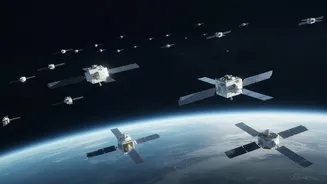
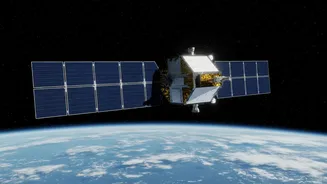
Imagine a highway with no lanes, no speed limits, and thousands of new cars appearing every year. That’s the situation in low Earth orbit (LEO). The number of active satellites has exploded, driven by the rise of 'mega-constellations'—vast networks of hundreds or thousands of satellites designed to provide global internet coverage. While these promise to connect the unconnected, they create an unprecedented level of orbital congestion. With tens of thousands more satellites planned for launch, the risk of collisions is growing exponentially. This isn't a distant, abstract problem; our daily lives depend on satellites for everything from GPS navigation and weather forecasts to financial transactions and entertainment. A chaotic orbital environment puts these essential services at risk.
A Cosmic Junkyard Above Us
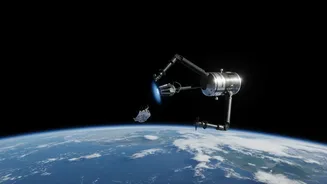
The problem isn't just active satellites. Decades of space activity have left behind a massive trail of 'space debris'—a cosmic junkyard of defunct satellites, discarded rocket stages, and millions of smaller fragments from past collisions and explosions. Even a tiny paint fleck, travelling at over 27,000 km/h, can cause catastrophic damage to an operational satellite or a crewed spacecraft. A single major collision could trigger a chain reaction known as the Kessler Syndrome, where each collision creates more debris, leading to more collisions. If this were to happen, certain orbits could become completely unusable for generations, effectively trapping us on Earth. Managing this debris is one of the most urgent challenges discussed at SMOPS.
Charting the Course Forward
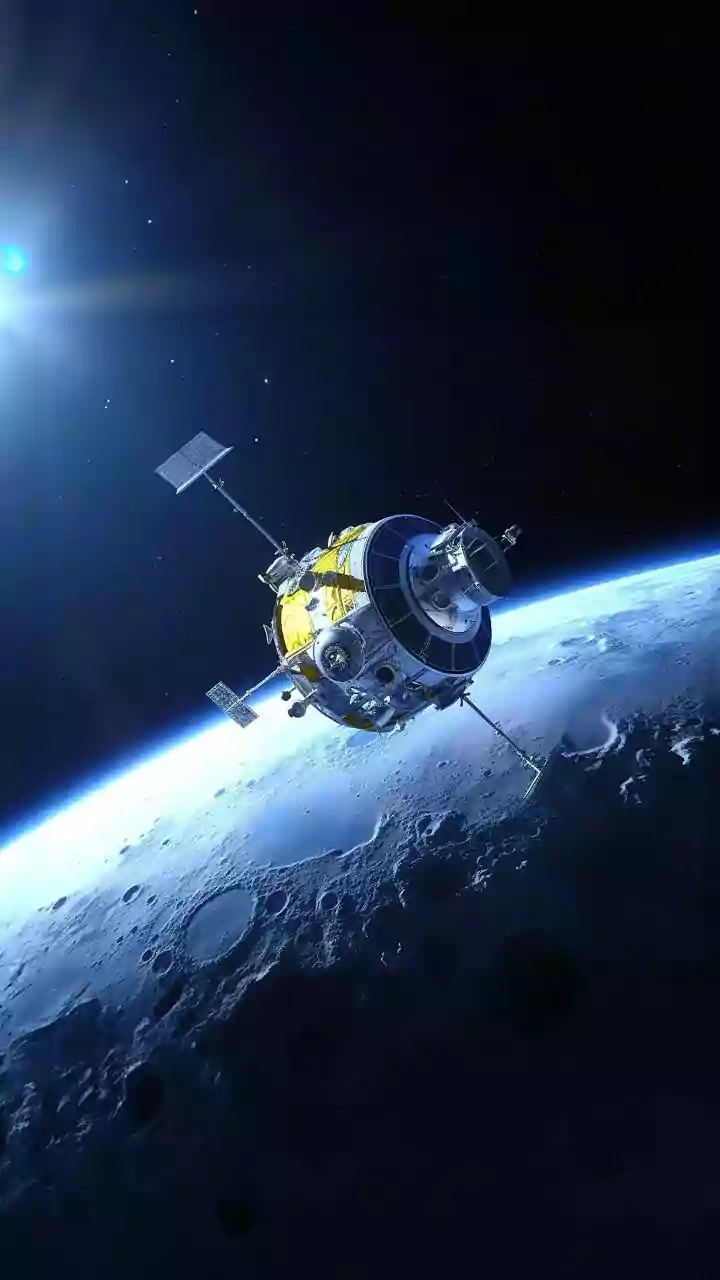
So, what is 'Space Traffic Management' (STM)? Think of it as air traffic control for space, but far more complex. It involves the set of technical and regulatory rules for safely accessing and using space. The core of STM is Space Situational Awareness (SSA)—the ability to track and predict the movement of objects in orbit. This allows satellite operators to receive early warnings about potential collisions and perform avoidance manoeuvres. The discussions at SMOPS focus on creating international standards and a collaborative system where data from different countries and companies can be shared openly. The goal is to establish clear 'rules of the road' for space to enhance safety, stability, and the long-term sustainability of space operations.
India's Stake in a Safer Space
For India, hosting SMOPS is a statement of its growing leadership in the global space community. With over 50 operational satellites vital for communication, navigation (like NavIC), and national security, India has a significant stake in ensuring orbital safety. To protect these assets, ISRO initiated Project NETRA (Network for space object TRacking and Analysis), an early warning system to detect and track space debris. This indigenous capability reduces India's reliance on foreign data and is a critical component of its SSA efforts. By spearheading the conversation on STM, India is not just protecting its own investments but is also championing a responsible, collaborative approach to space governance, ensuring the final frontier remains open and safe for all.