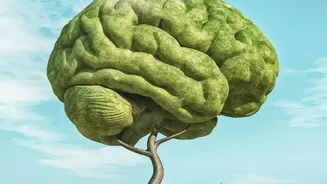








A Surprising Jolt for Decaf
A new study is challenging long-held beliefs about coffee and cognition. Researchers from APC Microbiome Ireland at University College Cork have uncovered a fascinating distinction between caffeinated and decaffeinated brews. Their work, published in the
journal Nature Communications, found that while both types of coffee were linked to positive changes in mood and stress levels, only the decaf group showed significant improvements in learning and memory. The study involved 62 participants, split between regular coffee drinkers and non-drinkers. After a two-week coffee abstinence period for the regular drinkers, participants were given either caffeinated or decaf coffee for three weeks. Those drinking decaffeinated coffee made fewer errors on memory tests and showed better episodic memory, which relates to recalling specific experiences.
More Than Just a Caffeine Kick
This surprising outcome suggests that compounds other than caffeine are at play when it comes to certain cognitive enhancements. Coffee is a complex beverage containing thousands of chemical compounds, including powerful antioxidants and polyphenols. These substances are known to interact with our bodies in various ways, including influencing our gut microbiome—the collection of bacteria living in our digestive system. The Irish study found that both coffee types altered gut bacteria in ways that could be linked to lower stress and depression. This connection, known as the gut-brain axis, is an exciting area of research, suggesting that what happens in our digestive system can have a direct impact on our brain function and mental health.
Meet a Potential Unsung Hero: Trigonelline
While the recent study didn't pinpoint a single compound, other research has highlighted a potential candidate: trigonelline. This natural plant alkaloid is abundant in coffee beans. Separate studies, including research on mice, have shown that trigonelline can improve learning and memory. It appears to work by reducing neuroinflammation in the hippocampus—a critical brain region for memory—and by restoring the levels of important neurotransmitters like dopamine and serotonin. While these animal studies don't directly prove the effect in humans, they offer a plausible mechanism for why a beverage stripped of its caffeine might still pack a cognitive punch. Coffee is one of the richest dietary sources of this intriguing compound.
Don't Discount Caffeinated Coffee Just Yet
Before you pour your regular coffee down the drain, it's important to note that caffeine still holds its own. The same study that praised decaf for memory found that the caffeinated group experienced reduced anxiety and improved attention and vigilance. This aligns with what most coffee drinkers already know: caffeine is excellent for boosting alertness and sharpening focus. Other large-scale studies have even linked long-term caffeinated coffee consumption with a lower risk of dementia, an association not seen with decaf. The key takeaway isn't that one type of coffee is universally 'better' than the other. Rather, different components in coffee appear to produce different effects. Caffeine excels at providing that immediate jolt of energy and attention, while other compounds may be quietly working in the background on different aspects of brain health.