




1. Collagen Cocktails
The Claim: Collagen is the protein that keeps skin firm and elastic. These drinks promise to replenish your body's natural supply, reducing wrinkles and improving hydration. What to Check: Look for "hydrolyzed collagen" or "collagen peptides," as these
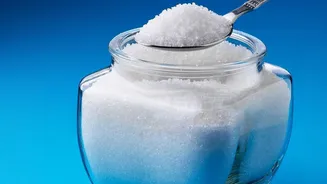
smaller molecules are more easily absorbed by the body. The source matters, too; common ones include bovine (cow) or marine (fish). Also, ensure the formula includes Vitamin C, which is essential for your body to produce its own collagen. The Red Flags: Many collagen drinks are loaded with sugar, artificial sweeteners, or flavours to mask the taste. Check the nutrition label for added sugars like corn syrup or sucrose. A high sugar content can work against your skin goals by contributing to inflammation.
2. Glutathione Elixirs
The Claim: Often called the body's "master antioxidant," glutathione is praised for its ability to fight oxidative stress, detoxify the liver, and brighten skin. What to Check: The effectiveness of oral glutathione is a topic of debate, as it can be broken down in the digestive system before it reaches your cells. Some brands use advanced delivery systems like "liposomal glutathione" to protect the molecule and improve absorption. Check the dosage and look for formulations that might enhance its effects. The Red Flags: Because oral absorption is tricky, some drinks may not deliver the benefits they promise. Be wary of products making dramatic skin-lightening claims, as results can vary widely. As with any supplement, it's about supporting your body's overall health.
3. Hyaluronic Acid Hydrators
The Claim: Hyaluronic acid (HA) is a substance your body naturally produces to keep tissues lubricated and moist, especially in the skin and joints. Drinkable HA aims to boost skin moisture from the inside out, making it appear more supple and reducing fine lines. What to Check: Studies showing benefits for skin hydration often use daily doses between 120-240 mg. Check the label to see how much HA is in each serving. Some research suggests that oral HA supplements can indeed increase skin moisture and elasticity over several weeks. The Red Flags: Like other beauty drinks, HA beverages can be a source of hidden sugars or artificial sweeteners. Always read the full ingredient list, not just the hero ingredient. The benefits are seen with consistent, long-term use, not overnight.
4. Biotin-Boosted Brews
The Claim: Biotin, or Vitamin B7, is famous for its role in strengthening hair and nails, making it a common ingredient in beauty tonics. What to Check: Biotin is water-soluble, meaning your body excretes what it doesn't need. While deficiency is rare, a supplement can be helpful for some. Check the dosage—many supplements provide far more than the daily requirement. The Red Flags: While generally safe, very high doses of biotin can sometimes cause issues like skin rashes or digestive upset. A more significant concern is that high levels of biotin can interfere with important lab tests, including those for thyroid and heart conditions. It is crucial to inform your doctor if you are taking biotin supplements.
5. Antioxidant-Rich Teas
The Claim: Green tea, matcha, and other herbal teas are packed with antioxidants like catechins, which help protect the skin from damage caused by free radicals and environmental stressors. They are often marketed as a natural way to achieve a clearer, healthier complexion. What to Check: The quality of the tea matters. For matcha, look for ceremonial or high-grade options, which have a better nutrient profile. For all teas, check that tea leaves are a primary ingredient. The Red Flags: The main culprit here is pre-bottled or powdered iced teas, which are often loaded with sugar or high-fructose corn syrup. A seemingly healthy green tea drink can contain as much sugar as a soft drink. Brewing your own tea at home gives you full control over what goes in your cup.
6. Ayurvedic Herbal Infusions
The Claim: Drinks featuring ingredients like Amla (Indian gooseberry), Turmeric, or Ashwagandha draw on Ayurvedic traditions to promote wellness and skin health. Amla is a potent source of Vitamin C, while Turmeric is known for its anti-inflammatory properties. What to Check: Quality control is paramount. Look for brands that adhere to AYUSH or FSSAI guidelines and mention certifications like GMP (Good Manufacturing Practices). This ensures the raw materials are tested for purity and potency, and are free from contaminants like heavy metals. The Red Flags: The source and processing of herbs can greatly affect their quality. Vague ingredient lists or a lack of transparency about sourcing and testing are warning signs. Some formulations may also contain herbs that interact with medications, so checking with a professional is wise.
7. Vitamin and Mineral Tonics
The Claim: Many beauty beverages are fortified with essential skin-health nutrients like Vitamin C, Vitamin E, and Zinc. These support everything from collagen production to fighting inflammation and protecting against sun damage. What to Check: Look at the form of the vitamin and the dosage. For example, some forms of minerals are more bioavailable than others. Ensure the dosage is reasonable and doesn't reach megadose levels, which can be counterproductive. Also, see if these nutrients are paired with other beneficial ingredients or are simply floating in sugar water. The Red Flags: A high sugar content is the biggest issue. Many fruit-flavoured vitamin drinks are essentially sodas with a sprinkle of vitamins. Read the label for words like sucrose, fructose, or concentrated fruit juice, which are all forms of sugar. A whole food source like an orange is always a better choice for getting your vitamins.