


1. Tirthan Valley, Himachal Pradesh: For the Eco-Conscious Angler
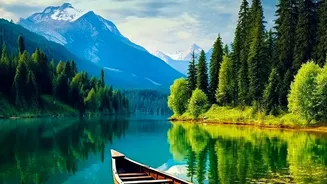
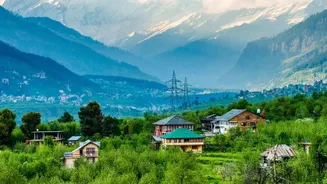
A world away from the commercial hustle of Kullu, Tirthan Valley is a tranquil paradise nestled beside the Tirthan River. As the gateway to the Great Himalayan National Park, a UNESCO World Heritage Site, its focus is on eco-tourism and preserving its pristine
beauty. The valley offers a delightful mix of activities, from trout fishing in the crystal-clear river to gentle treks through dense forests and visits to quaint villages like Gushaini and Nagini. Unlike crowded destinations, Tirthan encourages a slower pace of travel. Stay in a traditional homestay, enjoy freshly caught fish, and spend your evenings around a bonfire under a canopy of stars. The best time to visit is during the spring and summer months (April to June) or in the autumn (October and November) for crisp air and clear skies.
2. Kalpa, Himachal Pradesh: For Majestic Mountain Vistas
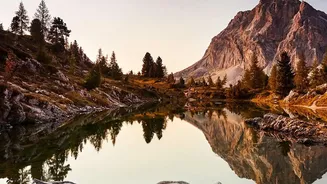
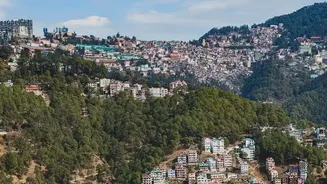
While Shimla bustles with tourists, the village of Kalpa in the Kinnaur district offers a more profound connection with the Himalayas. Famous for its sprawling apple orchards and the commanding view of the Kinnaur Kailash range, Kalpa is breathtakingly beautiful. The experience here is meditative; watch the rising sun paint the sacred peaks in hues of gold, walk through traditional Kinnauri villages, and visit ancient monasteries. The pace of life is slow, allowing you to truly disconnect. For pleasant weather, plan your trip between April and June. However, to see the apple orchards in full bloom, September and October are ideal. It serves as a stunning, peaceful alternative for those who seek mountain views over marketplaces.
3. Munsiyari, Uttarakhand: For the Aspiring Trekker
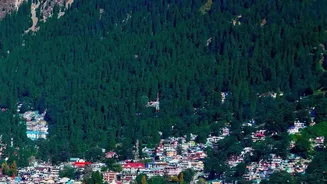
Often called the 'Gateway to the Johar Valley', Munsiyari is a haven for trekkers and adventure enthusiasts. Located in the Pithoragarh district, it serves as the base for several high-altitude treks, including routes to the Milam and Ralam glaciers. What makes Munsiyari special are the unparalleled, close-up views of the five majestic peaks of the Panchachuli range. Beyond trekking, you can visit the Nanda Devi Temple, explore the shimmering Thamri Kund, or witness the dramatic cascade of Birthi Falls. This remote town offers a raw, unfiltered Himalayan experience, far from the commercial polish of Nainital. The best seasons are spring (March-April) for rhododendron blooms and autumn (September-October) for clear mountain views.
4. Chatpal, Kashmir: For Unspoiled Serenity
If solitude is what you seek, Chatpal in South Kashmir's Shangus district is your answer. A relatively new discovery on the tourist map, Chatpal is untouched by commercialisation and offers a glimpse of Kashmir in its purest form. Instead of a checklist of attractions, Chatpal offers lush green meadows, dense pine forests, and the soothing sound of babbling brooks. It's the perfect place for quiet nature walks, photography, and experiencing the warm hospitality of the local Gujjar community. With limited mobile connectivity and basic but comfortable government-run cottages, it forces you to disconnect from the world and reconnect with nature. The best time to experience its green splendour is from May to September.
5. Chopta, Uttarakhand: For Spiritual Heights and 360-Degree Views
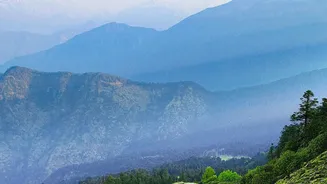
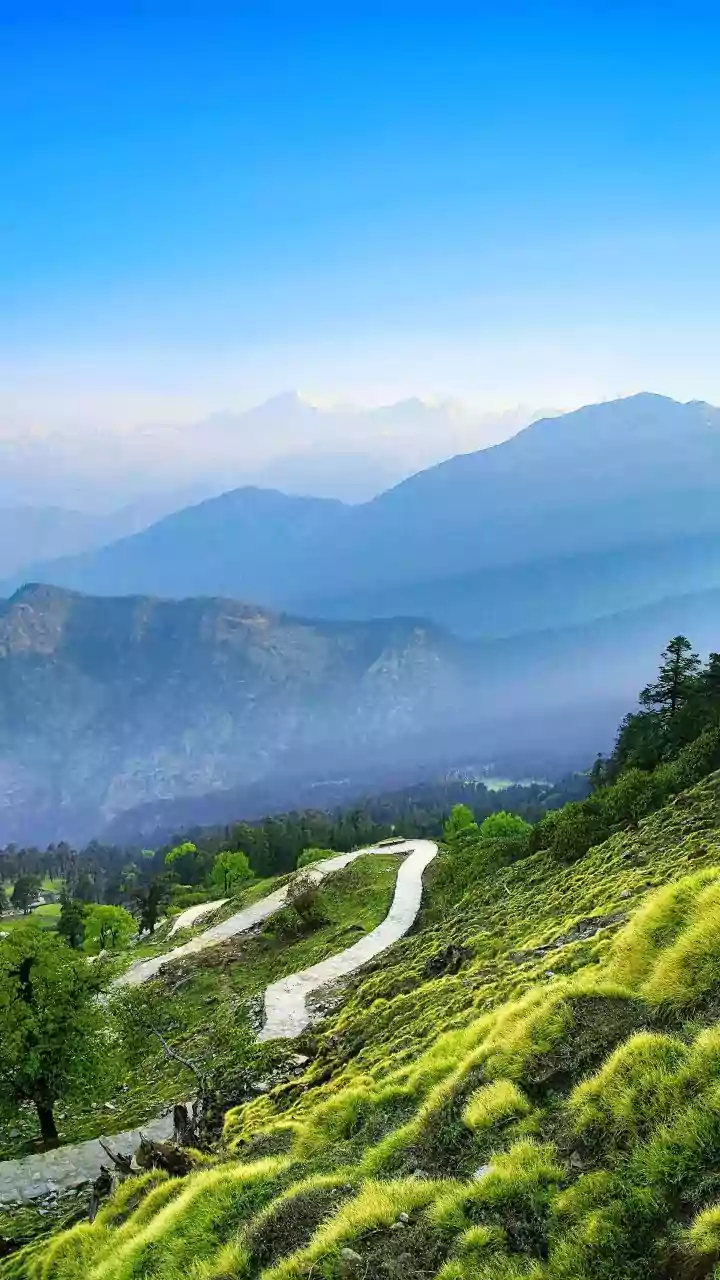
Dubbed the 'Mini Switzerland of India', Chopta is a small, picturesque village that serves as the base for the trek to Tungnath, the world's highest Shiva temple. The trek itself is a rewarding journey through lush meadows and rhododendron forests. From Tungnath, a further climb takes you to the Chandrashila summit, which offers a stunning 360-degree panoramic view of Himalayan peaks, including Nanda Devi, Trishul, and Chaukhamba. This easy-to-moderate trek makes Chopta an accessible yet profound destination for both spiritual seekers and nature lovers looking for an alternative to more crowded pilgrimage routes. The region is beautiful year-round, but the trek is most popular in the summer and autumn months.