





Why Start a Home Herb Garden?
Beyond the simple joy of watching something grow, a home herb garden offers a wealth of practical benefits. The most immediate is the explosion of flavour and freshness in your cooking. Store-bought herbs, often expensive and prone to wilting, simply
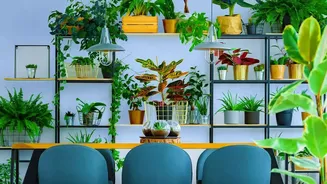
can't compare to the taste of leaves harvested moments before use. This convenience saves you money and reduces food waste. There’s also a wellness aspect; tending to plants can be a therapeutic, stress-relieving activity that connects you to nature. Plus, a collection of green, leafy herbs adds a vibrant touch of life to any balcony or windowsill, purifying the air and beautifying your space.
Your Starter Herb Selection for India
The key to success is starting with herbs that are easy to grow and suited to the Indian climate. Many of these are likely already staples in your kitchen. Mint (Pudina) is a fantastic choice for beginners; it's resilient, grows quickly, and is perfect for everything from chutneys to summer drinks. Fresh Coriander (Dhaniya) is another must-have, providing a citrusy lift to countless dishes. Holy Basil (Tulsi) is not only revered but also wonderfully aromatic for teas and easy to maintain. For South Indian cooking, nothing beats having a Curry Leaf (Kadi Patta) plant on hand. Lastly, consider Lemongrass for its fragrant stalks, which can elevate teas and soups. These herbs are generally forgiving and reward you with abundant growth.
The Essentials for Success
You don't need a lot of fancy equipment to get started. The most crucial items are containers with good drainage holes to prevent waterlogging, which is a common reason for failure. Terracotta pots are an excellent, breathable option. For soil, avoid using dense garden soil and instead choose a well-draining potting mix, which is lighter and better suited for containers. You can buy this from any local nursery. Finally, assess your light. Most herbs need at least four to six hours of sunlight per day, making a sunny windowsill or balcony the ideal location. If your space lacks natural light, you can look into affordable LED grow lights.
A Guide to Sun and Water
Caring for your herbs boils down to two main things: sunlight and water. As mentioned, a spot with several hours of direct sun is best. If you notice your plants are stretching or looking pale, they likely need more light. Remember to rotate your pots every few days so that all sides of the plant get light and grow evenly. When it comes to watering, the golden rule is to check the soil first. Stick your finger about an inch deep; if it feels dry, it's time to water. Water thoroughly until it runs out of the drainage holes, but don't let the pots sit in a saucer full of water. Overwatering can lead to root rot, so it's better to let the soil dry out slightly between waterings.
Reap What You Sow: Harvesting and Cooking
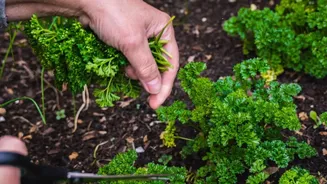
Harvesting your herbs regularly is actually good for them, as it encourages bushier, healthier growth. For leafy herbs like mint, basil, and coriander, snip off the top leaves and stems as needed. This encourages the plant to branch out. Never strip all the leaves at once. For herbs like lemongrass, you can cut stalks from the base. The best part, of course, is using your harvest. Toss fresh coriander leaves over your dal or sabzi right before serving. Muddle mint leaves for a refreshing drink or blend them into a vibrant chutney. Drop a few curry leaves into your tadka for an instant aroma boost. This direct path from plant to plate is where the magic of a home herb garden truly comes to life.