




Why Leather Loses Its Lustre
Think of leather as skin—because that's what it once was. At a microscopic level, leather is a dense web of protein fibres that contain natural oils and moisture to keep them flexible and strong. Over time, and with exposure to the elements, these essential
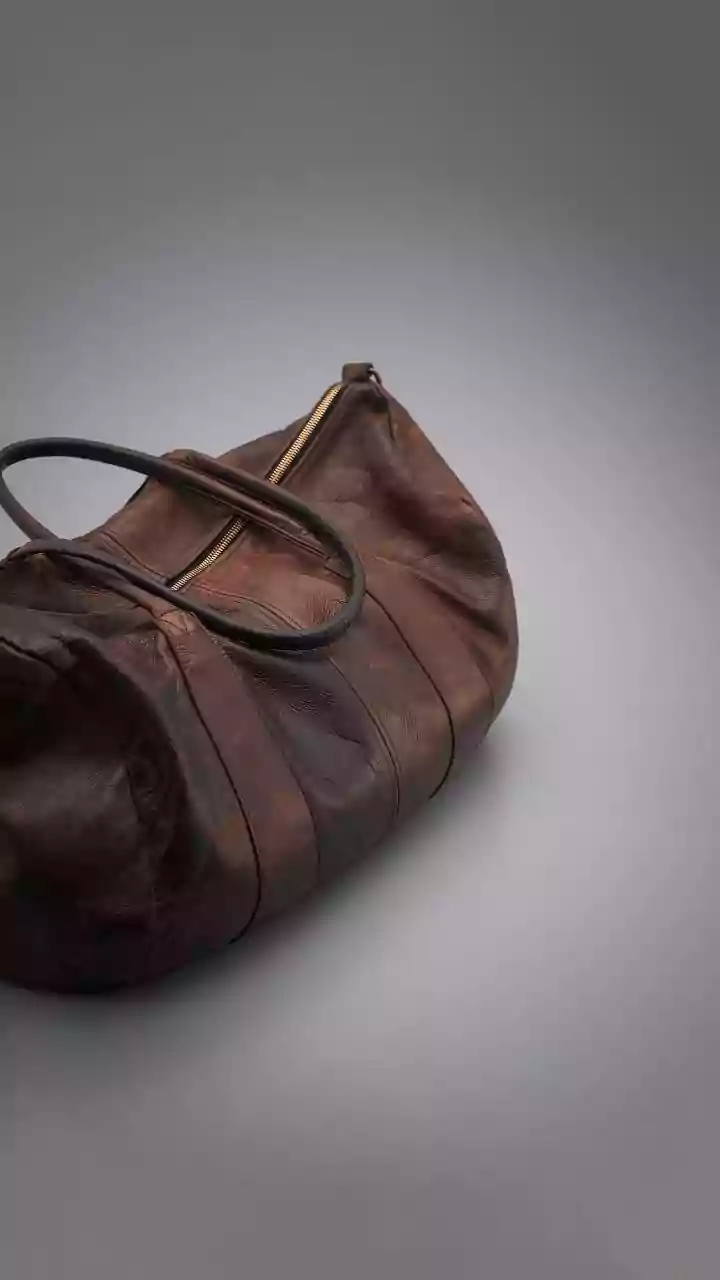
oils evaporate. Heat, direct sunlight, and even dry indoor air from heating or air conditioning can accelerate this process, causing the fibres to dry out, become brittle, and eventually crack. This isn't just about appearance; it's about the structural integrity of the material. Once leather cracks, the damage is irreversible.
The Role of a Quality Conditioner
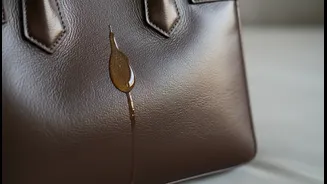
A good leather conditioner acts like a high-quality moisturiser. Its primary job is to penetrate the leather's pores and replenish the oils that have been lost. This process re-lubricates the leather's internal fibres, restoring their flexibility and preventing them from grinding against each other. Quality conditioners, often made from natural ingredients like lanolin or specific oils, are designed to be absorbed deeply without clogging the leather's pores. This not only keeps the leather soft and supple but also creates a protective barrier that helps repel dirt and moisture, further extending the life of your item.
How to Choose the Right Product
Not all conditioners are created equal. When choosing a product, opt for creams, balms, or oils specifically formulated for leather care. Look for natural ingredients and avoid products containing harsh solvents, petroleum-based ingredients, or silicones, which can clog pores or even damage the leather over time. There are three main types: creams offer balanced hydration, oils provide deep penetration for very dry or rugged items, and waxes offer a protective surface layer. Always perform a spot test on a small, hidden area of your item first, as some conditioners can slightly darken the leather.
A Guide to ‘Occasional’ Conditioning
So, how often is “occasional”? There's no single answer, as it depends on the item, its usage, and your climate. A good rule of thumb for items in regular use—like shoes, bags, and jackets—is to condition them every 3 to 6 months. For furniture or items that get a lot of sun exposure, you might need to condition them more frequently, perhaps every 2 to 3 months, especially in dry climates. However, the best guide is the leather itself. If it starts to look dull, feel stiff, or has light-coloured creases, it's telling you it's thirsty and ready for a treatment.
The Simple Step-by-Step Process
Conditioning leather is a straightforward task. First, always clean the item. Use a soft brush or a slightly damp cloth to remove any surface dust and dirt, as conditioning dirty leather can trap grime in the pores. Let the item air dry completely, away from direct heat. Next, apply a small amount of conditioner to a clean, soft cloth—not directly onto the leather. Using gentle, circular motions, work the conditioner into the surface, paying special attention to seams and areas that flex. Allow the conditioner to absorb for at least 15-30 minutes, then use another clean, dry cloth to buff away any excess product.
The Biggest Mistake: Over-Conditioning
While conditioning is crucial, it is possible to have too much of a good thing. Over-conditioning can oversaturate the leather, clogging its pores and preventing it from breathing. This can lead to a sticky or greasy residue, attract more dirt, and in some cases, cause the leather fibres to rot or lose their structural shape. The key is to apply thin, even coats and only when the leather needs it. If you accidentally apply too much, you can usually remove the excess by buffing vigorously with a clean, dry cloth.