

Shift Your Shopping Strategy
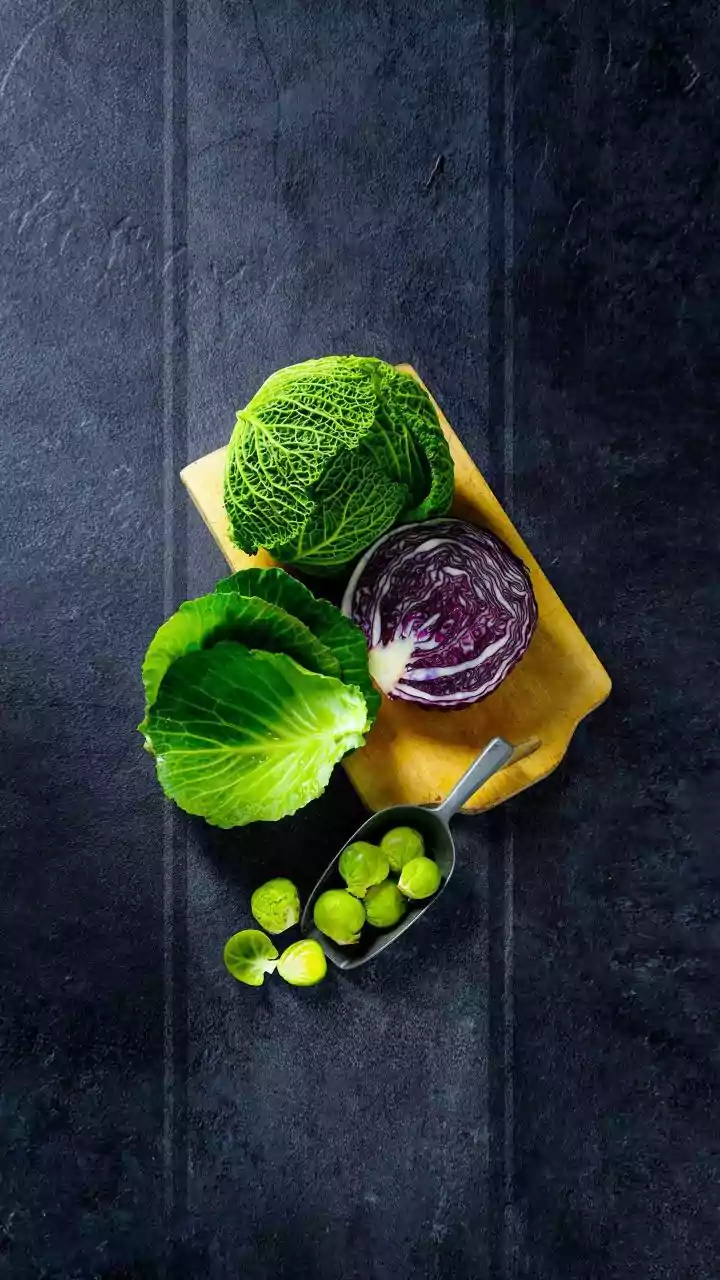
The first step to conquering solo cooking is to shop differently. Instead of buying ingredients for one specific recipe, think in terms of versatile components you can use across several meals. For instance, a whole head of broccoli can be used for a stir-fry
one night, roasted as a side dish the next, and blended into a soup later in the week. This approach requires a meal plan. Before you go to the store, map out a few meals that share common ingredients. This prevents you from buying a bunch of parsley for a single garnish. Also, don't shy away from the butcher counter or bulk bins. Buying exactly the one chicken breast or the half-cup of quinoa you need is a powerful way to prevent excess.
Embrace the 'Cook Once, Eat Twice' Method
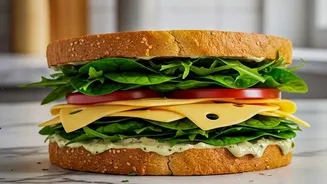
The idea of eating the same exact meal three nights in a row is rarely appealing. The key is to reframe leftovers not as finished meals, but as pre-prepped ingredients. Roast a whole chicken on Sunday. On Monday, have a classic roast dinner. On Tuesday, shred the leftover meat for tacos or a wrap. On Wednesday, boil the carcass to make a flavourful broth for a quick noodle soup. The same principle applies to grains and vegetables. Cook a large batch of rice and use it for a stir-fry, a grain bowl, and as a base for fried rice throughout the week. This method saves significant time and ensures no cooked food goes to waste.
Make Your Freezer a Strategic Partner
Your freezer is arguably the most valuable tool for a solo cook. It’s a time capsule for food, preserving it at its peak. Get into the habit of portioning and freezing immediately. If a recipe calls for half a can of tomato paste, freeze the rest in ice cube trays for easy-to-use, single-tablespoon portions. The same goes for fresh herbs, chopped onions, and citrus juice. Batch-cooked meals like chili, lasagna, or curry can be frozen in individual servings for those nights you don't have the energy to cook from scratch. You can also freeze raw ingredients like bread, tortillas, and portions of meat right after you buy them to extend their life.
Stock a Versatile Solo Pantry
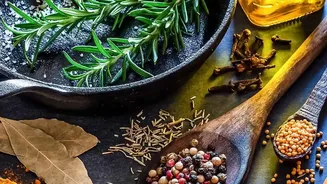
A well-stocked pantry is your foundation for creative and waste-free cooking. For a single-person household, the goal isn't to have everything, but to have the right things. Focus on long-lasting, versatile staples. Canned goods like diced tomatoes, beans (chickpeas, black beans), and tuna or salmon are essential. For grains, having one or two favourite pasta shapes, rice, and oats is plenty. Key liquids include quality olive oil, a neutral cooking oil, a couple of vinegars (like red wine and balsamic), and stocks or bouillon cubes. A good collection of dried herbs and spices allows you to transform the same basic ingredients into entirely different cuisines—think cumin and paprika for a smoky flavour, or oregano and basil for an Italian dish.
Learn to Be Flexible
Sometimes the best-laid plans go awry. You might not feel like eating the chicken you planned, or you get a last-minute dinner invitation. The final skill in mastering cooking for one is flexibility. Have a few “kitchen sink” recipes on hand that are designed to use up whatever you have. Frittatas, omelettes, soups, stir-fries, and fried rice are perfect for using up small amounts of leftover vegetables, cheeses, and proteins. Creating a designated “use it or lose it” shelf in your fridge can also help, keeping items that are nearing their end date in your direct line of sight so they don't get forgotten.