





The Science of Sight
It turns out that the way food is arranged on a plate does more than just appeal to our sense of beauty; it sends signals to our brain about a meal's nutritional value. Multiple studies have found that people consistently rate neatly and attractively
presented food as healthier than the exact same ingredients served in a messy or haphazard way. One recent study from Japan, for instance, found that a fish dish was perceived as significantly healthier when sauces were placed minimally on the side compared to when they were drizzled all over the plate. This effect happens before a single bite is taken, showing just how much our eyes influence our judgment.
Why Order Equals Healthy
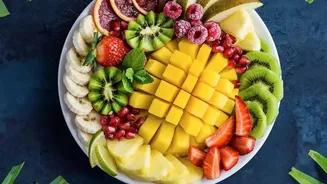
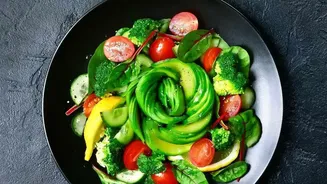
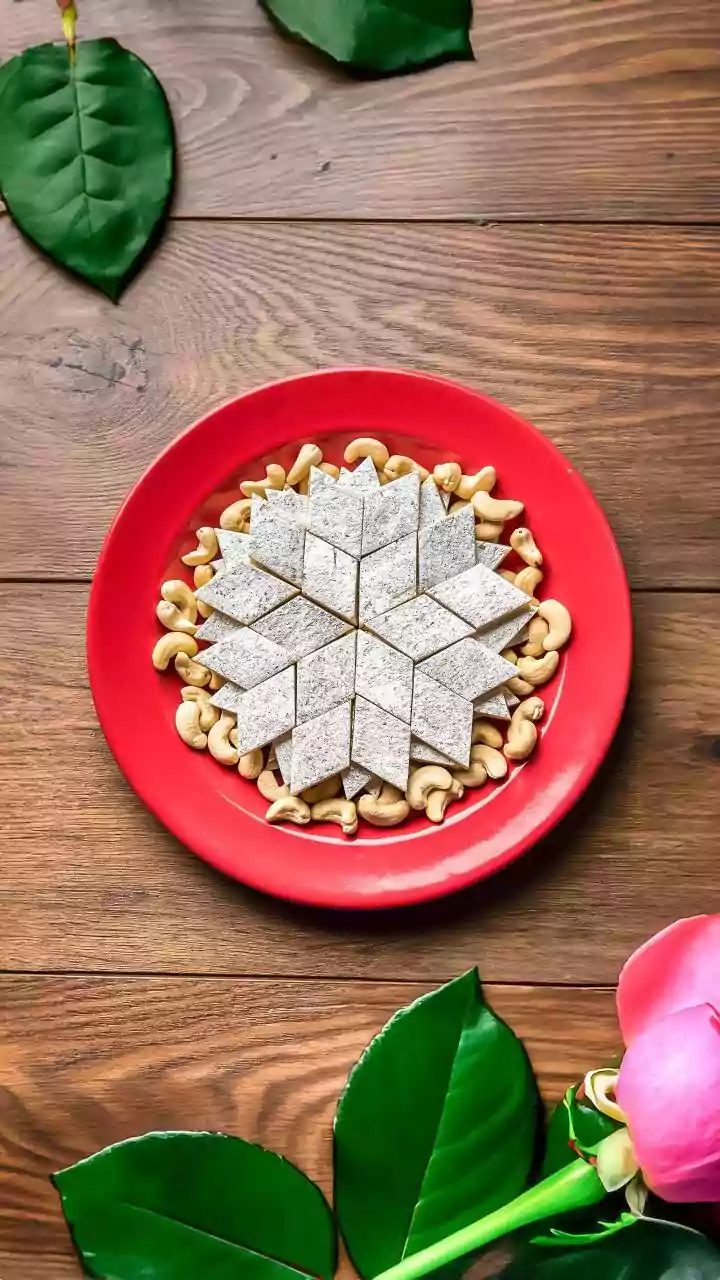
But why does a neat plate look healthier? The answer may lie in a concept researchers call the 'pretty-versus-ugly' effect. Studies suggest that we associate aesthetically pleasing arrangements—those that are symmetrical, orderly, and balanced—with naturalness. Our brains seem to have a cognitive shortcut that equates care and intention in presentation with care in preparation and sourcing. A messy plate, conversely, might be subconsciously linked with fast food or indulgent, high-calorie meals where presentation is an afterthought. Research has shown that even when participants are given an exact list of ingredients, they still rate the 'pretty' version of the food as being lower in fat and calories.
It’s Not Just Neatness
The visual cues that influence our perception go beyond simple tidiness. The placement of items on a plate matters. For example, one study found that when using plates with a classic aesthetic design, food placed in the center was perceived as tastier than food placed off to the side. The texture and even the colour combinations of the food can also play a significant role. Research on oat biscuits showed that biscuits with a more pronounced, rough texture were seen as healthier, whereas smoother ones were deemed tastier and more indulgent. Interestingly, while adding more colours can increase the attractiveness of a dish, some studies have found that having too many competing colours can sometimes lead to the food being perceived as less healthy.
Make Your Meals Look Healthier
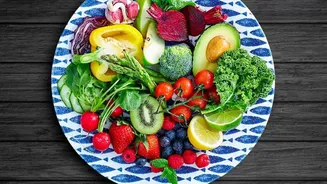
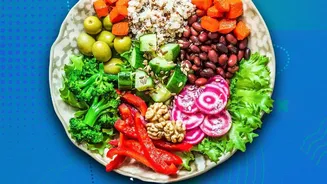
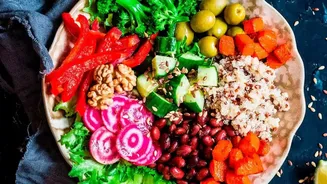
You can use this psychological trick to your advantage, especially if you are trying to make healthy eating more appealing. You do not need to be a professional chef to make your food look better. Start with simple changes. Instead of piling food onto the plate, give each element its own space. Think about balance and symmetry when arranging items. If you are having a salad, do not just toss it all together; try arranging the different vegetables in distinct sections. Slicing items like chicken or avocado and fanning them out can instantly make a dish look more deliberate and appealing. Using a white plate can make colours pop, enhancing the visual contrast and making healthy greens look even more vibrant.
A Tool for Better Eating
This focus on presentation is not about vanity; it is a practical tool for improving your relationship with food. For parents trying to get children to eat more vegetables or for anyone looking to increase their enjoyment of healthy meals, a little effort in plating can make a big difference. Studies have shown that when food is presented more attractively, people report liking it more, which could help increase the acceptance of healthier foods that might otherwise be met with resistance. By making your healthy meals look more like a treat, you are more likely to enjoy the experience of eating them and stick with your goals long-term.