



A Time Capsule From the Bronze Age
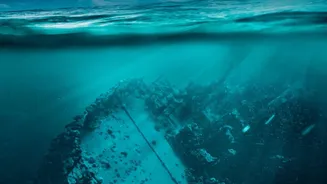
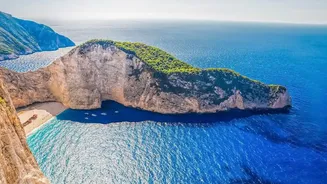
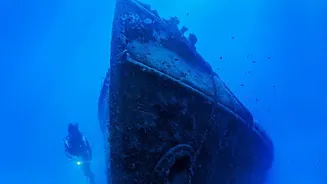
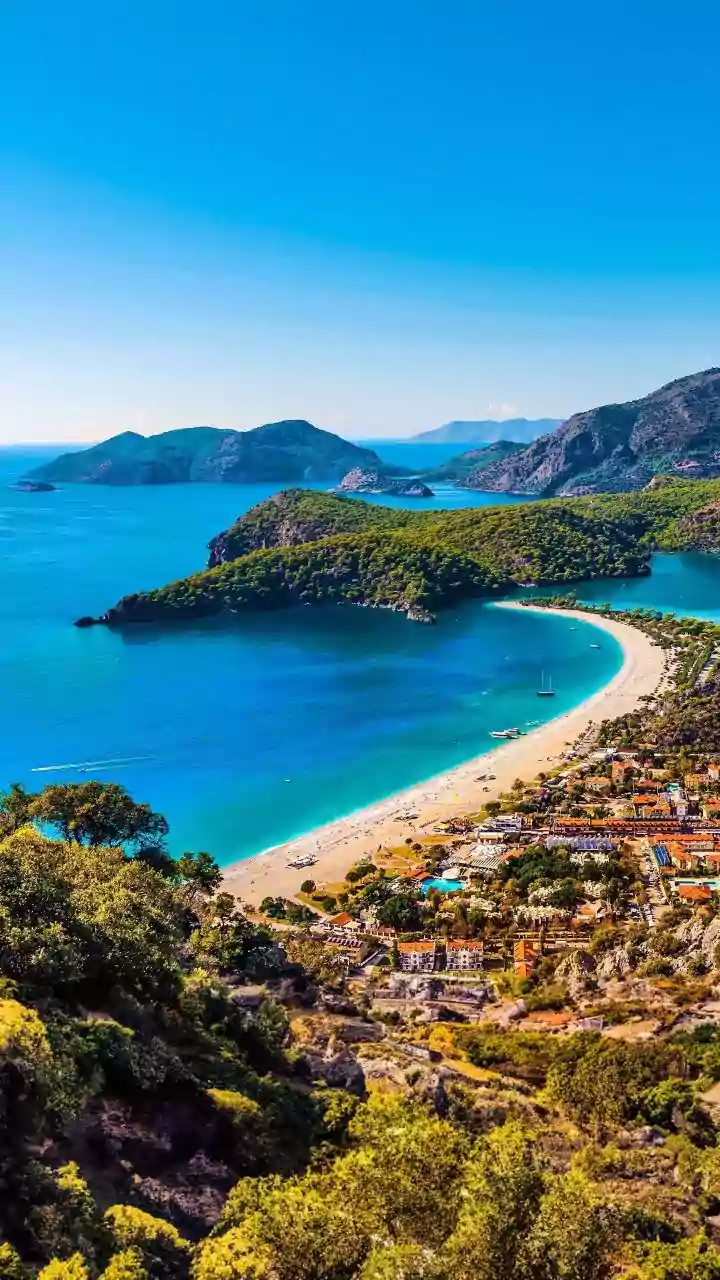
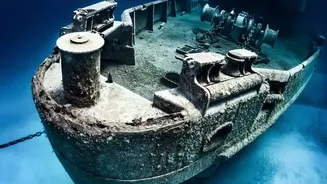
In the clear Mediterranean waters near Kekova Island, a popular tourist area in southern Turkey, archaeologists have confirmed the discovery of what is now believed to be the world's oldest known shipwreck. The vessel itself, thought to have been a 10-metre
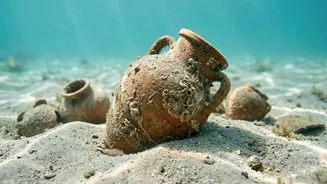
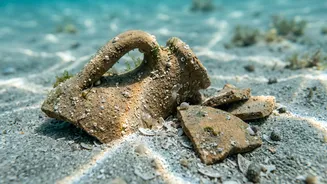
trading ship, has disintegrated over the millennia, a common fate for ancient wooden structures in the sea. What remains is its precious cargo: a scattered collection of more than 30 ceramic jars, known as amphorae, and three large stone anchors resting on the seabed. Led by Professor Hakan Öniz of Akdeniz University, the expedition has unveiled a site that acts as a direct window into the Early Bronze Age, a time concurrent with the construction of the great pyramids in Egypt. This find provides rare physical proof of sophisticated sea trade long before the Roman galleys or Greek triremes that more commonly come to mind.
The Pottery Puzzle Tells the Tale
Without a wooden hull to perform radiocarbon dating on, scientists had to become historical detectives, and their main clues were the pots. The age of the shipwreck, estimated at 4,400 to 4,700 years old, was determined by studying the style of these ceramic amphorae. Archaeologists use a method of cross-referencing, comparing the shape, material, and decoration of pottery to known examples from other dated sites. The jars from the Kekova wreck feature a distinctive flat base, two side handles, and a ridge around the middle—a style matching Early Bronze Age pottery found in Egypt, the Levant, Troy, and Crete. Clay analysis even suggests the pots were likely made in workshops in the Jordan Valley, painting a vivid picture of their origin before being loaded onto the doomed ship.
What Was Aboard the Ancient Vessel?
The contents of the amphorae provide a fascinating glimpse into the economy and daily life of the period. While analysis is ongoing, it's believed the jars primarily transported commodities like olive oil or wine. Remarkably, some of the pots still contain a glossy residue from their original contents, a rare and exciting find for researchers. One particular amphora has sparked intriguing theories. It features nine distinct markings and two holes, leading experts to suggest it may have been a churn for making butter or cheese at sea. This raises the possibility that ancient mariners might have brought live goats on long voyages for a sustainable source of fresh milk, a detail that brings the lives of these ancient sailors into sharp focus.
Rewriting Maritime History
The Kekova shipwreck is a monumental discovery because it pushes back the timeline of known maritime trade networks. It predates the previous record-holder, the Dokos shipwreck found off the coast of Greece, by several centuries. While historians have long suspected that extensive sea trade occurred during the Early Bronze Age, physical evidence has been scarce. This find confirms that complex trade routes connected different cultures across the eastern Mediterranean, from the Levant to Anatolia and Crete. The ship was likely sailing from a port in the Levant towards either Troy or Crete when it met its end in the turbulent waters near Kekova, an area known for treacherous currents. The discovery highlights the Turkish coast as a critical hotspot for underwater archaeology, with hundreds of wrecks from various periods having been documented in the region.