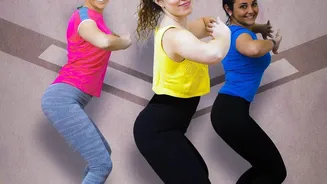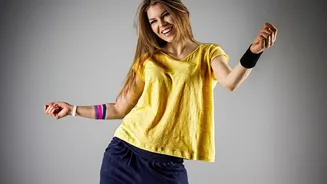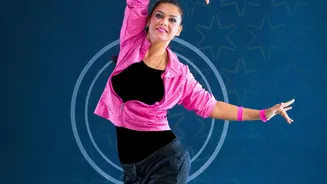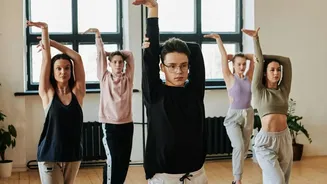







The Heart of the Matter: Cardio and Movement
At its core, dance aerobics is a powerful form of cardiovascular exercise. Like running or cycling, it gets your heart rate up and improves circulation, strengthening your heart muscle and increasing stamina over time. The continuous, rhythmic movements
engage large muscle groups throughout your body, from your legs and glutes to your core and arms. This full-body engagement not only helps burn calories and can aid in weight management, but it also improves flexibility, balance, and joint mobility. Unlike more linear exercises, dance involves moving in multiple directions, which helps build functional strength for everyday activities and can be easier on the joints.
The Power of the Beat: Why Music Matters
Music is not just a background element in dance aerobics; it's a fundamental driver of the entire experience. The right playlist can be a powerful motivator, pushing you to keep going when you might otherwise feel fatigued. Research shows that music can stimulate the brain's reward centers, making the activity feel more enjoyable and less like work. This 'pleasure double play'—combining the joy of music with the physical release of movement—can significantly boost your mood and reduce stress by triggering the release of endorphins. Furthermore, the tempo, or beats per minute (BPM), of a song can help set the pace for your workout, encouraging your body to synchronize its movements to the rhythm, which can enhance endurance and efficiency.
A Workout for Your Mind: Coordination and Cognition
While your body is getting a fantastic workout, so is your brain. Learning and recalling choreography requires focus, concentration, and memory. This process of coordinating your movements with the music and the instructor's cues is a powerful cognitive exercise. Studies have shown that activities requiring this kind of mental engagement can improve neuroplasticity—the brain's ability to form new neural connections. This can lead to sharper thinking, better problem-solving skills, and quicker reaction times. In fact, some research suggests that dance is one of the best physical activities for reducing the risk of dementia, largely because it simultaneously challenges both the body and the mind.
The Synergy of the Four Elements
The magic of dance aerobics lies in how these four elements—cardio, movement, music, and coordination—work together. The cardio aspect ensures you're getting an effective physical workout, improving heart health and endurance. The diverse movements ensure it's a full-body activity that enhances strength and flexibility. The music provides the motivation and emotional lift, making the workout genuinely enjoyable and sustainable. Finally, the coordination challenges your brain, offering cognitive benefits that go beyond what typical exercise provides. This combination creates a holistic workout that nurtures physical fitness, mental sharpness, and emotional well-being all at once. You’re not just going through the motions; you're engaging your entire self in a rhythmic, joyful experience.
How to Get Started with Dance Aerobics
Getting started is easier than you might think, and you don't need any prior dance experience. Many gyms and community centers offer beginner-friendly classes like Zumba, which combines Latin rhythms with simple, repetitive choreography. You can also find countless options online, allowing you to try different styles from the comfort of your home. When looking for a class, consider the type of music you enjoy, as that will be a big part of the experience. Wear comfortable clothing and supportive athletic shoes, and don't be afraid to try a few different classes or instructors to find the right fit for you. The most important thing is to have fun and allow yourself to enjoy the process of learning and moving.