




The Multi-Billion Euro Plan
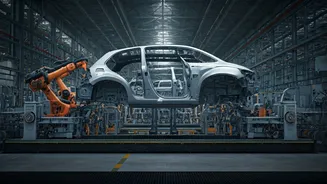
Volkswagen has initiated a group-wide effort, often referred to as its 'performance programs', designed to achieve billions in annual cost savings by 2030. CEO Oliver Blume has outlined an eight-point plan aimed at making the sprawling automotive group more
robust and competitive in a radically changed global environment. This includes measures to achieve a sustainable return on sales of 6.5 percent for its core brand and a group operating margin of 8 to 10 percent. While previously announced job reductions numbered around 50,000, recent reports suggest the total could approach 100,000, alongside potential plant closures in Germany. However, these staggering numbers are symptoms of a deeper strategic pivot.
A Cure for Complexity
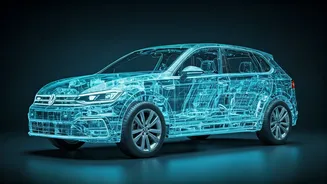
A core pillar of the new strategy is a war on complexity. For years, the Volkswagen Group, which includes brands like Audi, Porsche, and Skoda, has been criticized for its sprawling and often overlapping product portfolio. The new plan involves significantly reducing the number of models and their variants, focusing instead on higher-volume, more profitable vehicles that align with regional customer demands. This simplification extends to the very foundation of the cars. By consolidating the number of underlying platforms and electronic architectures, the company aims to slash development costs and accelerate the time it takes to bring new vehicles to market—projecting a cut from 50 to just 36 months.
Battling New Global Rivals
This radical internal shift is a direct response to immense external pressure. The global auto market has been upended by the rise of electric vehicles (EVs) and fierce competition from new, more agile players, particularly from China. Companies like BYD have rapidly gained market share, not just in China but globally, by producing EVs more cheaply. Volkswagen's traditional model of developing cars in Germany and exporting them worldwide is no longer seen as viable amid rising trade barriers and shifting consumer preferences. The restructuring is therefore an urgent attempt to make VW more nimble and cost-efficient to compete effectively in the EV race against rivals like Tesla and BYD.
More Than Just Building Cars
The transformation also involves a fundamental rethinking of Volkswagen's corporate structure and technology strategy. Reports suggest the company is considering separating its core passenger car brand and its parts business into standalone entities, a move that could challenge long-standing governance structures. This could provide more autonomy and potentially sidestep rigid constraints that have slowed change in the past. Simultaneously, there is a push to accelerate technology development, particularly in software and AI, through partnerships with Chinese tech firms. The goal is to transform the car from a hardware-centric product into an 'intelligence centric AI carrier,' adapting to local market needs, especially in the crucial Chinese market.