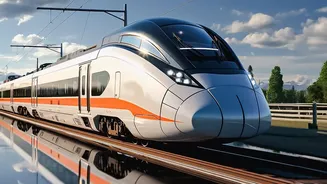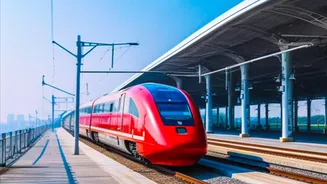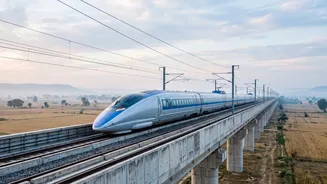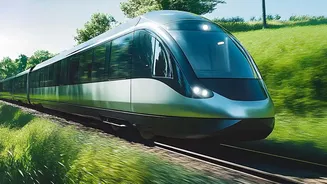





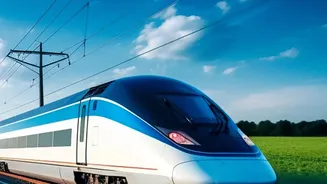
The Vision: A High-Speed Connection
The project is formally part of the larger Delhi-Varanasi High-Speed Rail (DVHSR) corridor, which has recently received approval from the Prime Minister. Announced by Union Railway Minister Ashwini Vaishnaw in late October 2026, this 'North Corridor'
aims to drastically cut travel times between major cities. The initial phase will connect Delhi to Varanasi, with a proposed extension that will stretch through Patna and Siliguri, eventually reaching Guwahati in Assam. This network is designed to boost connectivity for tourism, business, and daily commuters, linking key economic and cultural hubs across several states.
The 59-Minute Journey Explained
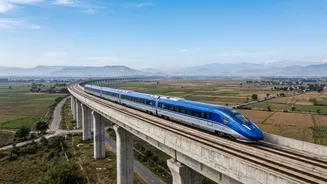
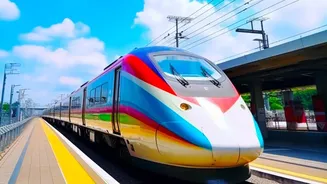
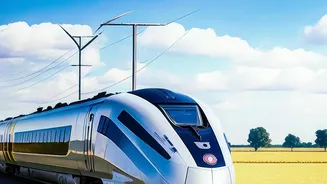
The headline figure is a proposed journey of just 59 minutes between Delhi and Agra. Currently, the fastest trains, like the Gatimaan Express, take about 100 minutes to cover the same distance. The bullet train is expected to operate at speeds of around 320 km/h, with a maximum design speed of 350 km/h. It's important to note that these timings are indicative and were shared by the Railway Minister; a final, detailed timetable is yet to be released. The project is currently in the planning stages, with the Detailed Project Report (DPR) submitted to the Ministry of Railways for finalisation before it goes to the Union Cabinet for approval.
Proposed Route and Key Stops
The main line of the Delhi-Varanasi corridor is planned to be approximately 813 kilometres long. Starting from Sarai Kale Khan in Delhi, the route will pass through several key locations in Uttar Pradesh, including Noida, Jewar Airport, Mathura, Agra, Kanpur, Lucknow, Rae Bareli, Prayagraj, and Bhadohi before terminating in Varanasi. There is also a proposed spur line of about 123-125 km connecting Lucknow to the holy city of Ayodhya. The full corridor extending to Guwahati would span roughly 1,500 to 1,557 kilometres.
Transforming Regional Travel
Beyond the Delhi-Agra link, the project promises significant time savings across the board. Indicative timings suggest Delhi to Kanpur could take 1 hour 45 minutes, Delhi to Lucknow around 2 hours 12 minutes, and the entire Delhi to Varanasi journey could be completed in about 3 hours and 33 minutes. This represents a massive reduction from the current 11-12 hours it can take by train. The high-speed connection is expected to be a major catalyst for tourism, especially for destinations like Agra, Ayodhya, and the Buddhist circuit in Bihar.
Project Status and What Comes Next
While the project has been approved, it remains in the early phases of development. The National High Speed Rail Corporation Limited (NHSRCL), the body responsible for implementation, has submitted the DPR and is conducting ground surveys. The construction will be a 'Make in India' initiative, with components like pillars and girders manufactured domestically to boost local industry and create jobs. However, the final alignment, station configurations, and construction schedule are still being finalised. The estimated cost for the Delhi-Varanasi section alone has been reported to be around ₹2.3 lakh crore, making financing a crucial next step after cabinet approval.