





A Once-in-a-Dozen-Year Wonder
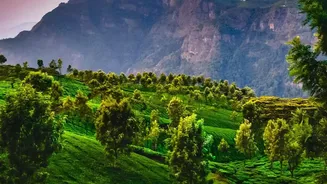
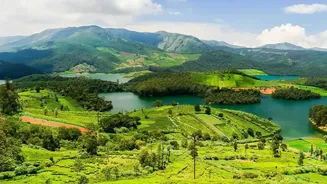
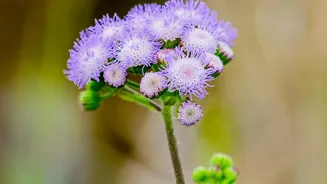
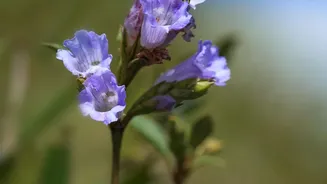
The star of this natural drama is the Neelakurinji (Strobilanthes kunthiana), a shrub endemic to the Shola forests of the Western Ghats. Its name, which translates to 'blue flower', is believed to have given the Nilgiri Hills ('Blue Mountains') their
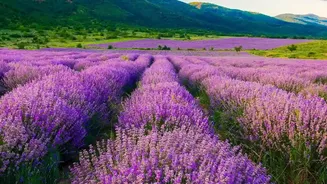
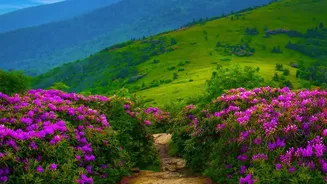
name. What makes this plant truly extraordinary is its highly synchronized life cycle. It blooms en masse only once every 12 years, carpeting entire mountainsides in a breathtaking display before the plants die, leaving seeds for the next generation. This rare event has deep cultural significance for local communities, like the Paliyan tribe, who have traditionally used the blooming cycle to calculate their age. The bloom is not just a visual spectacle; it's a vital ecological event, providing a feast of nectar for honey bees and supporting the wider ecosystem.
The Perils of Popularity
Unfortunately, the fame of the Neelakurinji has also become its greatest weakness. The rare blooming attracts waves of tourists, and this unregulated influx has put the fragile species in jeopardy. Reports from previous blooming seasons in the Western Ghats highlight visitors trampling the delicate shrubs, plucking the flowers for souvenirs, and leaving behind plastic waste. This interference is catastrophic for a plant that flowers only once in its lifetime; plucking a flower means preventing it from producing seeds for the next 12-year cycle. Recognizing these threats, which also include habitat loss from plantations and infrastructure, the International Union for Conservation of Nature (IUCN) has officially classified Neelakurinji as a vulnerable species.
The New Rules on the Hills
In response to the growing threats, the Nilgiris district administration and the Tamil Nadu Forest Department have implemented strict controls for the 2026 blooming season. The plant was added to Schedule III of the Wildlife (Protection) Act in 2023, making its protection a legal mandate. Under the new rules, anyone caught plucking the flowers or damaging the plants can face a fine of up to ₹25,000 and imprisonment for up to three years. The Forest Department has restricted public access to several key blooming areas within the Gudalur forest division, including Nadugani, Oosimalai, and O'Valley. This decision is not just about protecting the plant, but also about public safety, as these areas are known corridors for wild elephants, and increased human activity raises the risk of conflict.
Balancing Conservation and Tourism
While the new rules may disappoint some who wish to see the bloom, authorities frame it as a necessary step towards sustainable tourism. The goal is not to eliminate tourism but to manage it in a way that doesn't destroy the very attraction people come to see. By creating designated viewing points, controlling vehicle access, and strictly enforcing penalties for destructive behaviour, the administration hopes to create a model where nature and tourism can coexist. The restrictions serve as a powerful reminder that witnessing such a rare natural event is a privilege, not a right. Environmentalists and officials agree that without these regulations, the 'blue mountains' could lose their signature bloom forever, silencing a natural rhythm that has pulsed through the ghats for centuries.