





Understanding the Basics
Plant propagation is essentially creating a copy of a plant from a piece of the parent plant. This can be done using several different techniques, but the goal is always the same: to encourage a piece of a plant to grow its own roots and become a self-sufficient
individual. The two easiest and most common methods for houseplants are taking cuttings and dividing the plant. Success often depends on choosing the right method for your specific plant and starting the process when the plant is actively growing, usually in the spring and summer. You don't need much to start: a clean, sharp pair of scissors or a knife, a container, and either water or a potting mix are often all that's required.
The Magic of Stem Cuttings
Taking a stem cutting is one of the most popular ways to propagate because it works for many common houseplants like Pothos, Philodendrons, and Spider Plants. The key is to cut a healthy piece of stem, typically 4-6 inches long, that includes at least one or two nodes. A node is the small bump on the stem where leaves and roots grow from. Use a clean, sharp blade and make your cut just below a node. After taking your cutting, remove any leaves on the lower portion of the stem that might end up submerged in your rooting medium. This prevents them from rotting and helps the cutting focus its energy on producing new roots.
Water vs. Soil Propagation
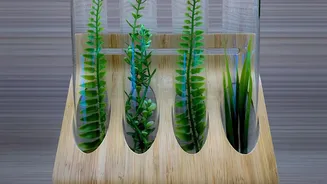
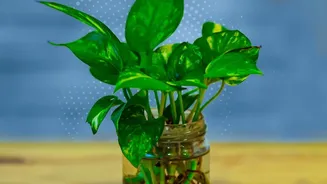
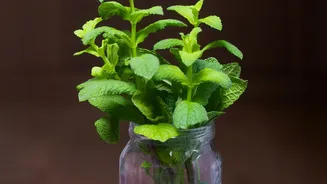
Once you have your cutting, you can root it in either water or soil. Propagating in water is often preferred by beginners because it's clean and allows you to watch the roots grow, which can be very exciting. Simply place the cutting in a glass jar of water, ensuring the node is submerged, and change the water weekly. For soil propagation, you can dip the cut end in a rooting hormone (though not always necessary for easy-rooting plants) and place it directly into a pot with a well-draining potting mix. Soil propagation creates stronger roots that are already adapted to soil, which can prevent shock when transplanting. However, you can't see the root development as easily. Many forgiving plants like Pothos will succeed with either method.
Divide and Conquer Overgrown Plants
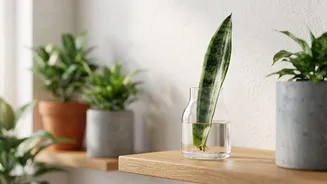
Division is the perfect method for clumping plants that have become too large for their pot, such as Snake Plants, Peace Lilies, and many ferns. This technique involves separating a mature plant into smaller, individual plants. To do this, carefully remove the entire plant from its pot and gently shake off the excess soil to expose the root system. Look for natural points of separation or clumps of stems with their own root systems. You can often tease these sections apart with your hands. For tougher root balls, you may need to use a clean knife to cut the plant into sections. Ensure each new division has a healthy portion of both stems and roots before repotting it into its own container with fresh soil.
Patience and Proper Care
Regardless of the method you choose, success requires patience. It can take several weeks for new roots to form. For water-propagated cuttings, wait until the new roots are at least an inch long before moving them to a pot with soil. For soil cuttings, you can give the stem a very gentle tug; if you feel resistance, it means roots have formed. Keep your new cuttings and divisions in a spot with bright, indirect light and maintain consistent moisture. Avoid placing them in harsh direct sun. Creating a humid environment can also help them thrive in their early stages.