

An Ancient Grain's Modern Renaissance
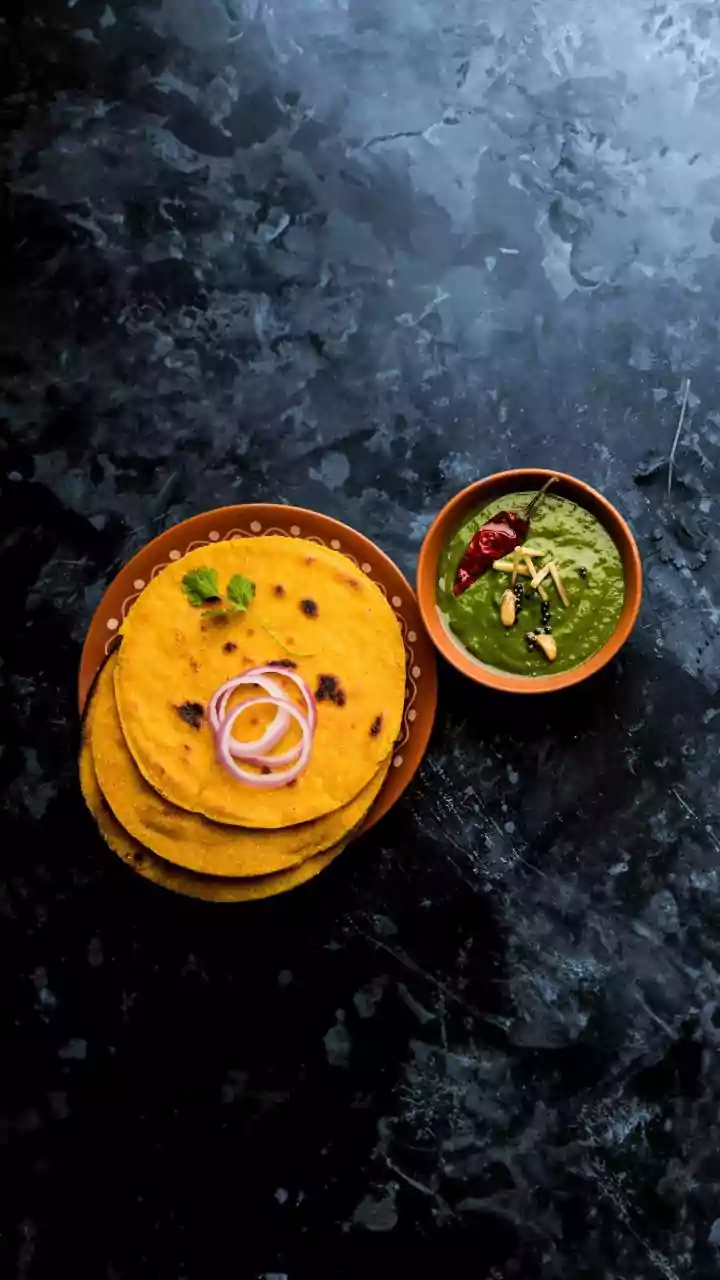
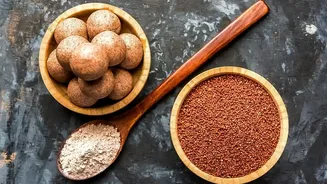
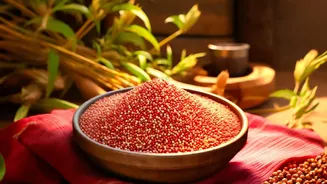
For generations, millets like jowar, bajra, and ragi were staple foods across India, valued for their resilience and nutrition. However, they gradually took a backseat to wheat and rice. Now, a perfect storm of factors is bringing them back into the spotlight.
A global wellness movement has people seeking healthier, more sustainable food choices. This trend was amplified by government initiatives and the UN's declaration of 2023 as the 'International Year of Millets', which successfully boosted awareness about their benefits. This renewed interest has inspired chefs and home cooks to rediscover the versatility of these grains, moving them from the main course to the most indulgent part of the meal: dessert.
More Than Just a Healthy Swap
The first question many ask is: can a healthy dessert truly be satisfying? With millets, the answer is a resounding yes. These grains bring more than just nutritional value; they introduce a wonderful complexity of flavour and texture. Ragi, or finger millet, lends a rich, earthy taste to cakes and brownies, while foxtail millet adds a delicate, nutty quality to kheer and payasam. Unlike refined flour (maida), which can lead to dense and heavy sweets, millets offer a lighter, more wholesome feel. The result is a dessert that doesn't just feel like a compromise but offers a genuinely new and enjoyable experience.
The Nutritional Advantage in Every Bite
The primary driver behind the millet dessert trend is, of course, health. Millets are nutritional powerhouses, packed with fibre, protein, vitamins, and essential minerals. For those with gluten sensitivities or celiac disease, millets are a natural, gluten-free alternative. A significant benefit is their low glycemic index, which means they release sugar into the bloodstream more slowly than refined grains. This helps in managing blood sugar levels, making millet-based sweets a smarter choice for those with diabetes or anyone looking to avoid a sugar crash. Their high fibre content also aids digestion and promotes a feeling of fullness, preventing overindulgence.
A Tour of India's New Sweet Sensations
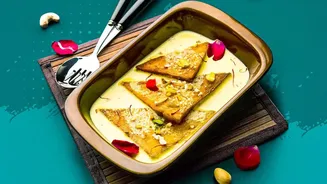
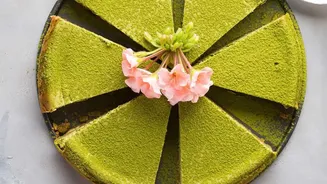
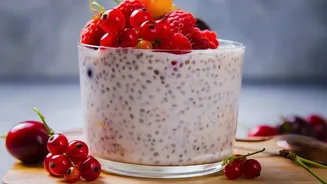
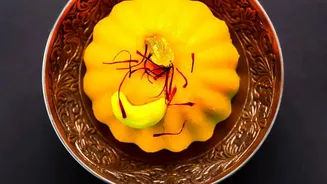
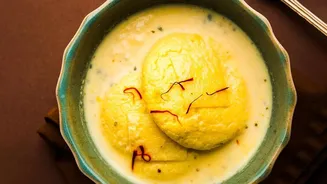
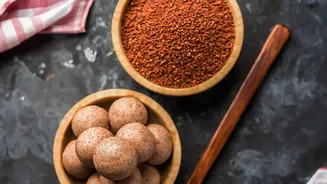
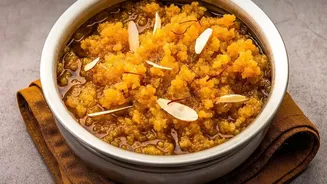
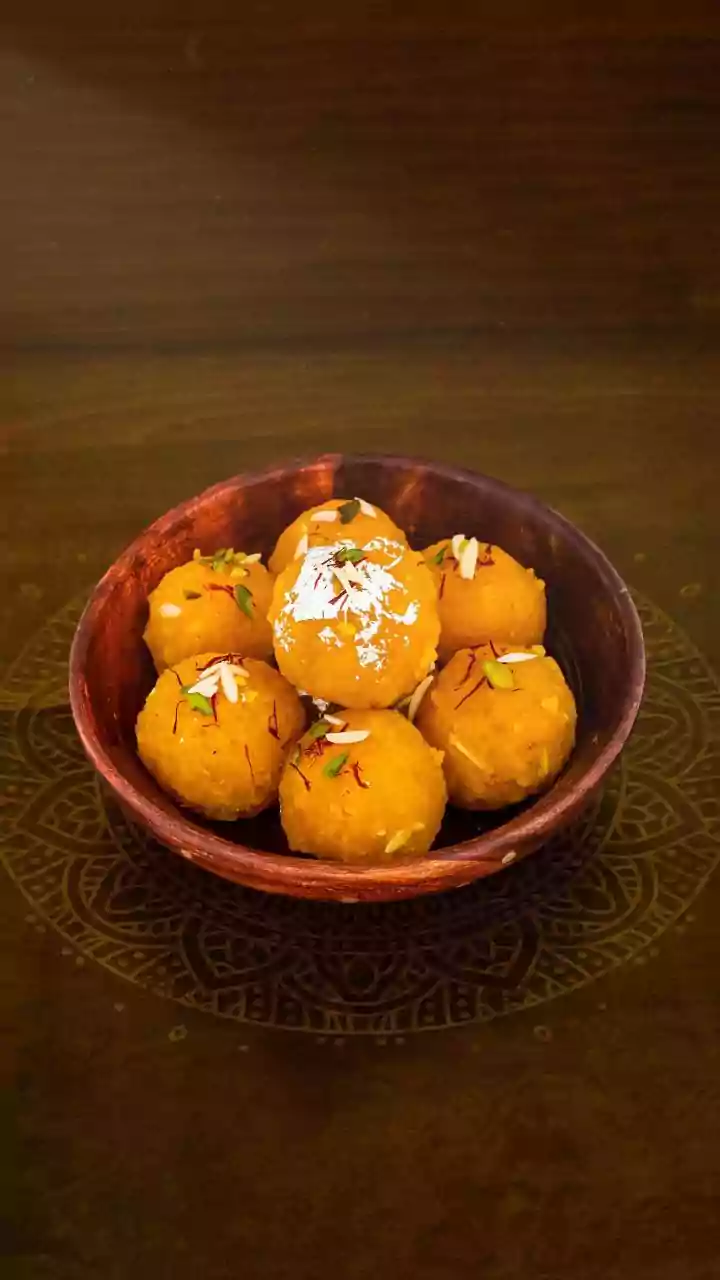
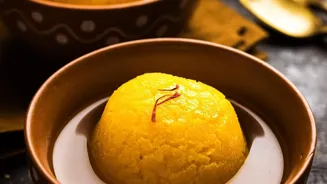
The innovation in millet desserts is spreading across India, with both traditional and modern sweets getting a makeover. Classic recipes are being reimagined, like Ragi Chocolate Halwa, which combines the comforting nature of halwa with a modern chocolatey twist. Little Millet Kheer, cooked with coconut milk and jaggery, offers a creamy, dairy-free alternative to the traditional rice-based version. Creative bakers are crafting soft, fudgy brownies and light cupcakes using millet flour instead of maida. You can also find an array of laddoos, cookies, and even festive modaks made with different types of millets, proving that you don't have to sacrifice tradition for health.
The Future of Guilt-Free Indulgence
The rise of millet desserts is more than just a fleeting trend; it signals a fundamental shift in our approach to celebratory foods. It represents a move toward mindful indulgence, where taste and health are not mutually exclusive. As more people become aware of the benefits and versatility of these grains, the demand for such creative and nutritious options is only set to grow. Cafes, bakeries, and home kitchens are increasingly experimenting with millet flours and grains, pushing the boundaries of what a dessert can be. This return to our culinary roots, blended with modern creativity, suggests a delicious and sustainable future for the Indian sweet plate.