



A Plant with Deep Roots in India
Long before it appeared in wellness blogs and smoothie recipes, Moringa oleifera was a fixture in Indian life. Known as 'shevga' in Marathi, 'murungakkai' in Tamil, and simply the drumstick tree in English, its slender pods are a beloved ingredient in lentil
stews like sambar. Its leaves, flowers, and seeds have also been used for centuries, not just in cooking but in traditional Ayurvedic practices. In Ayurveda, the plant, called 'Shigru', is valued for its perceived purifying and balancing properties, used to aid digestion and boost energy. This deep cultural and culinary history makes its recent explosion onto the global health scene both interesting and complex.
What's Exciting the Scientists?
The scientific interest in moringa isn't unfounded; it stems from the plant's rich chemical makeup. The seeds, in particular, contain a variety of promising bioactive compounds. These include phenolic acids, flavonoids, and isothiocyanates, which are potent antioxidants. In laboratory settings, these compounds have demonstrated anti-inflammatory, antioxidant, and even antimicrobial properties. It’s this collection of molecules, which show potential in fighting cellular damage and inflammation in controlled experiments, that has researchers intrigued about moringa's potential applications in health and medicine. However, what happens in a petri dish is a long way from what happens in the human body.
The Crucial Gap: Lab Research vs. Human Proof
Here lies the core of the issue: there is a significant gap between promising laboratory findings and confirmed clinical proof in humans. Much of the research showing moringa's benefits has been conducted 'in vitro' (in a lab) or on animals. While these studies are a crucial first step, they don't automatically translate to benefits for people. The human body is far more complex, and many substances that seem promising in early-stage research fail to show the same effects in large-scale, placebo-controlled human trials. A 2026 review of human studies did find some evidence for benefits related to immune function and blood sugar control, but noted that much more research is needed. As of now, the sweeping claims about moringa curing a wide range of diseases are not supported by robust clinical evidence.
Enjoy the Food, Manage Expectations for the Supplement
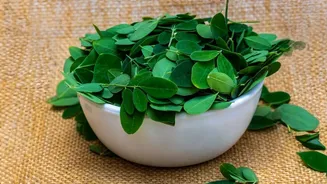
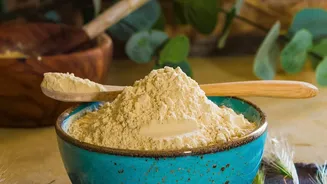
For the average person, this means a difference in approach. Using moringa pods or leaves in cooking, as has been done in India for generations, is enjoying a nutritious vegetable. The leaves are a good source of vitamins and minerals. However, relying on concentrated moringa seed powders or extracts as a therapeutic supplement is another matter. These products are often marketed with health claims that far outpace the current scientific consensus. It is important to view the existing research as a starting point for further investigation, not as a final confirmation of moringa's power as a miracle cure.
Safety and Side Effects
While the leaves and pods are generally considered safe when eaten as food, concentrated supplements carry potential risks and side effects. Some people report digestive issues like an upset stomach or diarrhea. High doses may lead to undesirable effects, and the plant's compounds could potentially interact with medications, such as those for blood pressure, thyroid issues, or diabetes. Furthermore, while the seeds are consumed in some traditions, other parts of the tree, like the root and its bark, can contain toxic substances and should be avoided. The lack of extensive human trials also means the long-term safety profile of high-dose supplements is not well understood.