



The Joy of Potted Thai Chillies
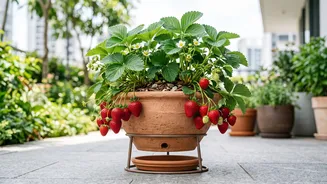
Thai chillies are a fantastic choice for container gardening, even for those with limited space. These compact, productive plants are not only functional, providing a steady supply of peppers for your culinary adventures, but they are also highly ornamental.
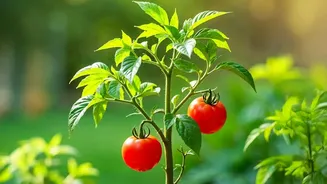
Their clusters of slender fruits often grow pointing upwards, transitioning from a deep green to a brilliant red, creating a beautiful display on a sunny balcony or windowsill. A single healthy plant can produce hundreds of small but potent peppers in one season, making it a highly efficient use of space for any home cook who loves a bit of heat. With at least six hours of sun and consistent watering, these resilient plants thrive in pots, bringing a touch of Southeast Asia right to your home.
Reading the Signs: When Is It Ripe?
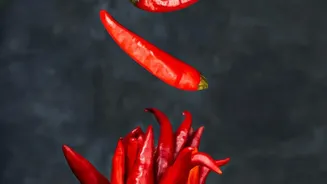
Patience is key when waiting for your chillies to ripen. The most obvious sign of maturity is colour. Most Thai chilli varieties start as a vibrant green and ripen to a deep, glossy red. This process typically begins about 70-85 days after transplanting the seedling. Once the pepper reaches its full size, the colour change will start, often at the crown of the fruit and moving downwards. A fully red pepper indicates peak ripeness, heat, and flavour development. Besides colour, a ripe chilli will feel firm to the touch, but may have a slight give when gently pressed. An immature pepper feels much harder because it is still dense with tissue and undeveloped seeds inside. The peppers should be harvested when they are evenly coloured; some growers even recommend waiting about five more days after the full colour change to ensure maximum sweetness and aroma.
The Great Debate: Green vs. Red
You don’t have to wait for your chillies to turn red. Green Thai chillies are essentially unripe red ones and are perfectly edible. Picking them green offers a different flavour profile. Green chillies tend to have a sharper, brighter, and more herbaceous taste. In contrast, red chillies, having fully matured on the plant, are generally sweeter and have a more complex, fruity flavour. While heat levels depend heavily on the specific variety, the capsaicin (the compound that creates the spicy sensation) is often most concentrated in fully ripe red peppers. Harvesting some peppers while they are still green can also have a practical benefit: it signals to the plant to produce more flowers and fruit, potentially leading to a larger overall yield throughout the season.
The Perfect Pick: How to Harvest
How you remove the chilli from the plant matters. Simply pulling the pepper off by hand can damage the delicate branch it’s attached to, potentially harming nearby developing fruits or creating an open wound on the plant. The best and safest method is to use a pair of clean, sharp scissors or small pruning shears. Snip the stem about halfway between the chilli and the main branch, leaving a small piece of the stem attached to the pepper. This little bit of stem helps the pepper stay fresh for longer if you plan on storing it in the refrigerator. For safety, especially if you have sensitive skin or are harvesting very hot varieties, it's a good idea to wear gloves, as the oils from the pepper can cause skin irritation.
After the Harvest: Storing Your Bounty
Once you've picked your chillies, you have several options. For short-term storage, place unwashed peppers in a breathable bag or container in your refrigerator’s crisper drawer; they should last for one to two weeks. Washing them before storing can introduce moisture that accelerates spoilage. For long-term preservation, freezing is an excellent option. Simply wash and thoroughly dry the chillies, then freeze them whole in an airtight bag or container. They can be used directly from frozen in cooked dishes. Given their thin walls, Thai chillies are also ideal for air-drying. You can string them up in a well-ventilated area until they are completely dry, then store them for use in powders, oils, or rehydrated in dishes throughout the year.