


The Allure of the DIY Approach
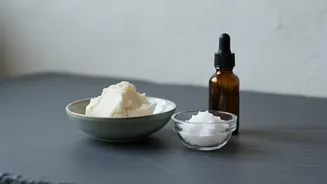
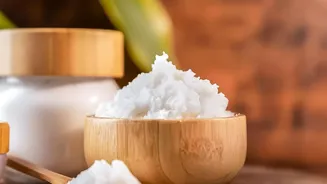
In an age of clean beauty and ingredient-consciousness, the idea of making your own sunscreen is appealing. Online recipes, often promoted on social media, suggest you can protect your skin using simple, 'natural' ingredients like coconut oil, shea butter,
essential oils, and zinc oxide powder. The motivation is often a desire to avoid synthetic chemicals, reduce costs, or take control of what goes on your body. While the DIY spirit is commendable for many things, dermatologists and scientists overwhelmingly agree that sunscreen is not one of them. The science of effective sun protection is far more complex than simply mixing a few ingredients in a bowl.
The Unpredictable SPF Factor
The single most important job of a sunscreen is to provide a reliable Sun Protection Factor (SPF). Commercial sunscreens undergo rigorous, regulated testing to ensure the number on the bottle is accurate. This is not just about the percentage of an active ingredient like zinc oxide; it's about the formulation. Cosmetic chemists work tirelessly to ensure the UV-blocking particles are evenly distributed and remain suspended in the base. When you make sunscreen at home, it's impossible to achieve this. The zinc oxide can clump together or settle at the bottom, creating an uneven film on your skin with some areas getting no protection at all. Research has shown that most online recipes provide insufficient UV protection, leaving users vulnerable to sunburn, premature aging, and an increased risk of skin cancer.
A Washout on Water Resistance
One of the key claims on many sunscreen bottles is 'water resistant,' a term that is strictly regulated by the FDA. To earn this label, a product must prove it maintains its SPF level after either 40 or 80 minutes of immersion in water. This is achieved through sophisticated formulation, using specific film-forming polymers and emulsion systems that help the product adhere to the skin. DIY recipes have no such technology. While some recipes suggest adding beeswax for water resistance, there is no scientific proof that this provides any reliable protection after swimming or sweating. Your homemade concoction is likely to wash off almost immediately, leaving you completely exposed when you might think you're still protected.
A Breeding Ground for Bacteria
Beyond sun protection, there's another major safety issue: shelf life and preservation. Any product that contains oils and is exposed to air, light, and fingers is a potential breeding ground for bacteria, mold, and fungi. Commercial sunscreens are made in sterile environments and contain a precise system of preservatives to keep them stable and safe for their entire shelf life, which is typically up to three years. Your kitchen is not a sterile lab, and DIY recipes lack these necessary preservatives. Using a contaminated product not only means the ingredients may have degraded, but it can also lead to skin irritation, breakouts, and even infections. An off smell, a change in color, or a separated texture are all signs that a product has gone bad, a common fate for unstable homemade mixtures.
What Experts Recommend
The consensus from dermatologists, cancer foundations, and regulatory bodies is unanimous: do not use homemade sunscreen. The risks are simply too high. Unprotected exposure to UV radiation is the most preventable risk factor for skin cancer. Instead of risking your health with an unproven DIY recipe, experts recommend choosing a commercially available sunscreen that has been properly tested. Look for a product that is broad-spectrum (protecting against both UVA and UVB rays), has an SPF of 30 or higher, and is water-resistant. With countless formulations on the market, including mineral-based options for those with sensitive skin, there is a safe and effective product available for everyone.