






The New Rules of the Road
On June 29, 2026, the Delhi Cabinet approved its new Electric Vehicle (EV) Policy, which comes into effect on July 1. This isn't just a minor update; it's an aggressive push to accelerate EV adoption, backed by a planned investment of around ₹15,000 crore.
The policy, valid until March 31, 2030, introduces a potent mix of financial incentives, tax waivers, and phased bans on petrol and CNG vehicles to drastically reshape the capital's vehicle market and fight air pollution. For car buyers, the math has fundamentally changed.
Upfront Savings: Tax Waivers and Scrappage Bonuses
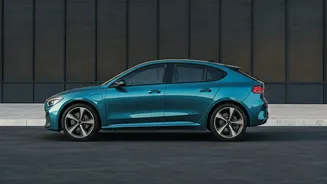
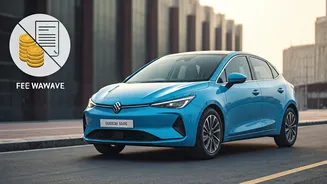
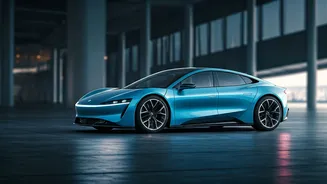
The most immediate benefit for electric car buyers is a massive reduction in the on-road price. The policy mandates a 100% waiver on both road tax and registration fees for all new electric cars with an ex-showroom price up to ₹30 lakh. For a car costing ₹20 lakh, this alone can translate to savings of over ₹2 lakh. To further sweeten the deal and remove older, polluting cars from the road, the policy introduces a powerful scrappage incentive. Owners who scrap their old BS-IV or older petrol or diesel car can receive a flat ₹1,00,000 incentive when purchasing a new EV. This benefit is limited to the first 100,000 applicants and must be used to purchase an EV priced below ₹30 lakh.
Incentives Beyond Cars
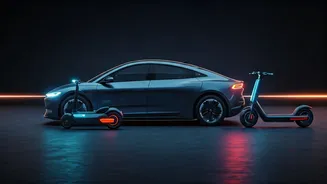
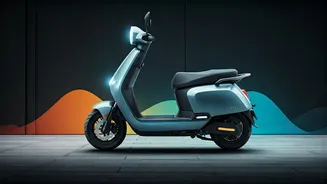
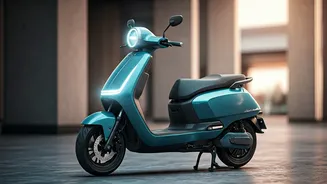
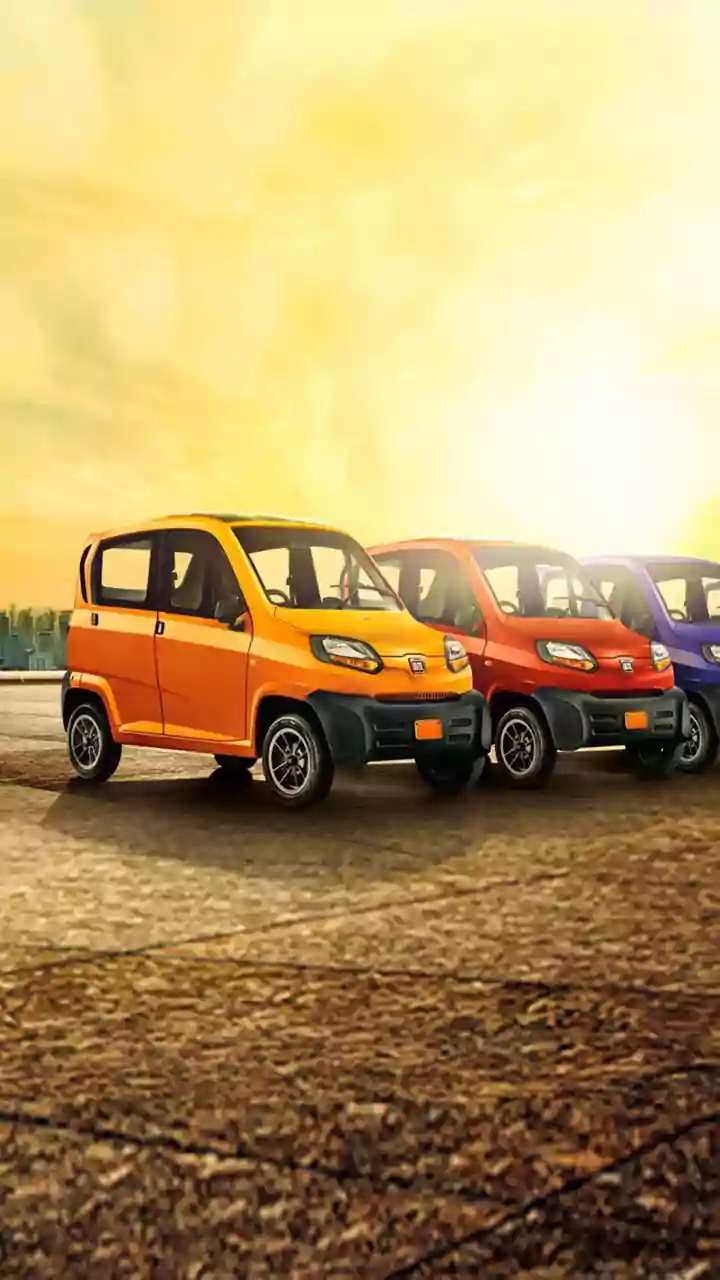
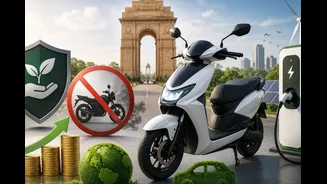
While the scrappage bonus for cars is a headline-grabber, the policy also heavily targets two-wheelers and commercial vehicles, which are major contributors to city pollution. In its first year, the policy offers a purchase incentive of up to ₹30,000 for electric two-wheelers and ₹50,000 for electric auto-rickshaws. These incentives are designed to be front-loaded, meaning they will decrease in the second and third years of the policy to encourage early adoption. For context, Delhi will ban the registration of new petrol-powered two-wheelers from April 1, 2028, and new petrol/CNG auto-rickshaws from January 1, 2027, making this transition not just incentivised but inevitable.
Total Cost of Ownership: The Real Win
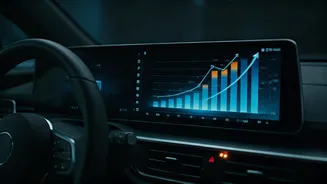
While the upfront discounts are compelling, the long-term savings are where EVs gain their true cost edge. The combination of lower running costs (electricity vs. petrol) and significantly reduced maintenance (fewer moving parts, no oil changes) already makes EVs cheaper to own over their lifespan. The new policy amplifies this advantage. By slashing the initial purchase price, it dramatically shortens the time it takes for an EV owner to break even and start saving money compared to a petrol car owner. With these new incentives, the total cost of owning an EV in Delhi over a five-to-seven-year period is now decisively lower for many popular models when compared to their internal combustion engine (ICE) counterparts.
What About Charging and Hybrids?
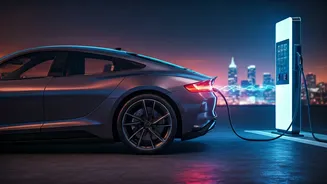
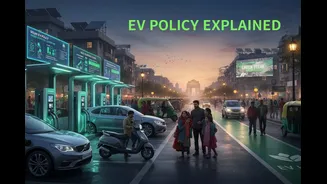
A common concern for potential EV buyers is charging infrastructure. The Delhi government has factored this in, announcing plans to install over 30,000 active charging points across the city to combat range anxiety. This expansion is a critical part of making EV ownership practical for everyone. However, it's important to note what is not covered. The policy's benefits are exclusively for pure battery electric vehicles (BEVs). Strong hybrids and plug-in hybrids, which still have an internal combustion engine, do not qualify for any of the tax waivers or purchase incentives, a clear signal of the government's all-in strategy on zero-emission transport.