





Why Platelets Matter in Dengue
Dengue fever, a viral infection transmitted by Aedes mosquitoes, can cause a rapid drop in platelets, a condition known as thrombocytopenia. Platelets are tiny blood cells crucial for forming clots and stopping bleeding. A severe drop is considered a warning
sign of more serious complications, like Dengue Haemorrhagic Fever, where leakage from blood vessels can occur. This is why monitoring platelet count is a critical part of managing the illness, and why families anxiously watch the numbers, often reaching for any remedy believed to help.
The Science: Promising but Inconclusive
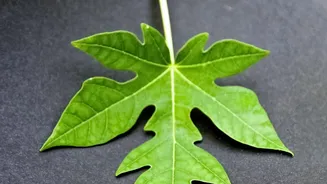
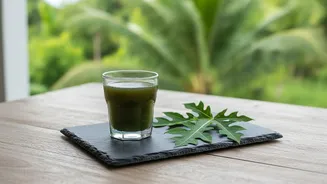
The belief in papaya leaves isn't entirely unfounded. Several scientific studies have explored the effects of Carica papaya leaf extract (CPLE) on platelet counts. Research suggests the extract is rich in compounds like flavonoids and alkaloids, which have antioxidant and antiviral properties. Some studies indicate these compounds may help increase platelet production by stimulating specific genes and enzymes. A number of clinical trials and systematic reviews have found that patients given papaya leaf extract showed a faster increase in their platelet counts compared to those who received only standard care. However, many of these studies have been small or had methodological issues, preventing a universal consensus. While the evidence is promising, it's not yet robust enough for major medical bodies to officially recommend it as a standard treatment.
The Doctor's Prescription: Caution and Care
So, what do doctors advise? The medical consensus is clear: papaya leaf extract is not a cure for dengue and should not replace professional medical care. Physicians emphasize that dengue management's cornerstones are hydration and supportive care to manage symptoms like fever. Dr. Rakesh Kumar, a senior consultant in New Delhi, has cautioned that there is insufficient evidence from large-scale clinical trials to recommend it. Doctors also warn that relying on home remedies might lead to a critical delay in seeking hospital care, which is dangerous if the patient's condition worsens. The platelets in a dengue patient typically start to increase on their own by the seventh day, and some doctors argue the juice doesn't expedite this natural recovery. No major international or Indian medical guidelines currently include papaya leaf extract in their official treatment protocols for dengue.
Risks and Side Effects to Consider
While often considered natural and safe, papaya leaf juice can have downsides. Its extremely bitter taste can induce nausea, vomiting, or gastrointestinal discomfort, which can worsen dehydration—a key concern in dengue. There is also a risk of allergic reactions. Furthermore, since these extracts are often unregulated, the concentration of active compounds can vary wildly, making consistent and safe dosing impossible. The biggest danger, according to many doctors, isn't the juice itself but the false sense of security it provides. Fixating on a single number (platelets) can be misleading, as serious complications can occur even when the count seems stable.