
The Museum of Good Intentions
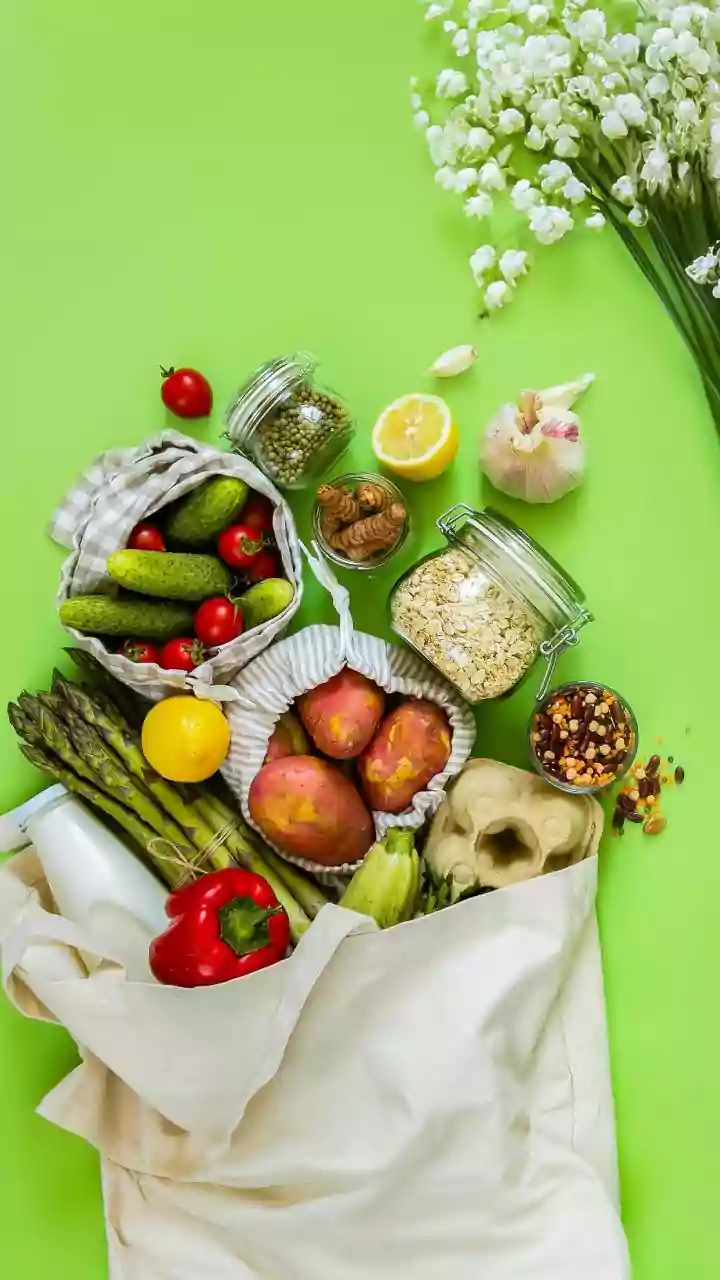
Your pantry can easily become a time capsule of your healthiest ambitions. There’s the bag of farro you bought after reading an article about ancient grains, the can of chickpeas for a hummus recipe you never made, and the jar of tahini sitting right
beside it. This isn't a personal failing; it's a design flaw. We often shop for an idealized version of ourselves—someone with endless time and energy to cook elaborate, healthy meals from scratch. The reality is that on a busy weeknight, convenience wins. The key isn’t to stop buying healthy food, but to make using it just as easy as reaching for a less nutritious option. The goal is to transform your pantry from a museum into a functional, working kitchen station that serves your real life.
Conduct a Pantry Audit
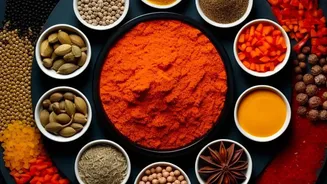
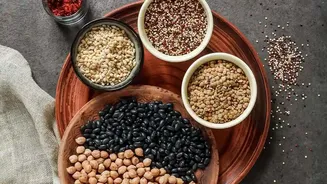
Before you can build a useful system, you need to know what you're working with. The first step is to take everything out. Yes, everything. Wipe down the shelves and get a clear view of your inventory. As you do, sort items into categories: grains, beans and legumes, canned goods, spices, oils and vinegars. Be ruthless and check expiration dates, tossing anything that's past its prime. This process isn’t just about cleaning; it’s about creating a mental map of what you own. You might rediscover ingredients you forgot you had, sparking ideas for future meals. This initial reset is crucial for ending the cycle of buying duplicates and letting food go to waste.
Organize for Action, Not Just Looks
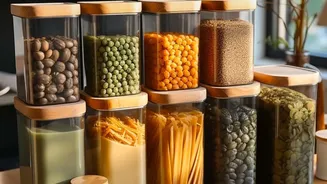
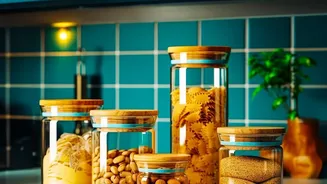
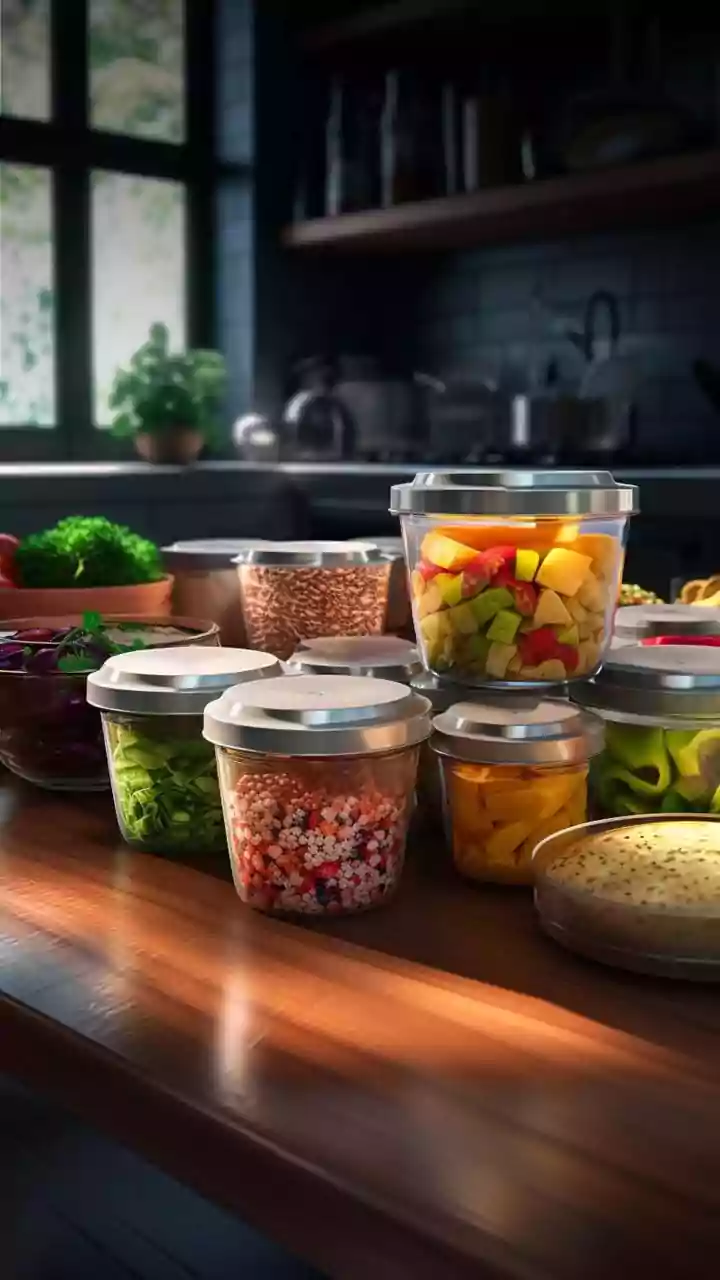
A visually pleasing pantry is nice, but a functional one is life-changing. The primary goal of organization should be to reduce friction between you and cooking. Place the items you use most frequently at eye level and within easy reach. Things you use less often can go on higher or lower shelves. Employ the "First In, First Out" (FIFO) method: when you buy a new item, place it behind the older one you already have. This ensures you use up ingredients before they expire. Consider transferring bulk items like rice, oats, and lentils into clear, airtight containers. This not only keeps them fresh but allows you to see what you have at a glance, making it easier to plan meals and build a shopping list. Use baskets or bins for small, loose items like seasoning packets or snack bars to keep them from getting lost.
Embrace the 20-Minute Meal
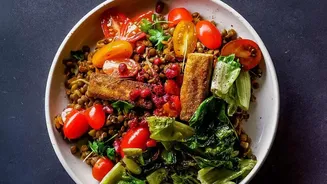
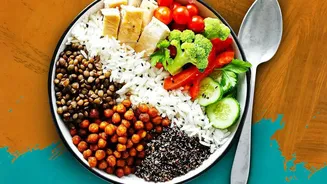
The biggest barrier to using pantry staples is often the belief that they require long cooking times. While some grains and dried beans do, many pantry powerhouses are built for speed. Canned beans and chickpeas are already cooked; just rinse and add them to salads, soups, or pasta dishes. Quick-cooking quinoa takes only 15 minutes. Canned tuna or salmon can be mixed with a few spices for a simple protein-packed salad. The trick is to have a few go-to, lightning-fast meal formulas in your back pocket. Think of it as a template: a grain + a protein + a vegetable + a sauce. For example, quinoa + canned black beans + frozen corn + salsa. Or whole-wheat pasta + canned tuna + canned tomatoes + olive oil and garlic. These simple combinations can turn pantry staples into a satisfying dinner in less time than it takes to order takeout.
Learn a Few Basic Formulas
You don't need dozens of complex recipes to make your pantry useful. Instead, master a few basic formulas that can be adapted based on what you have. A simple vinaigrette (three parts oil to one part vinegar, plus salt, pepper, and a dab of mustard) can dress any grain salad or roasted vegetable. A hearty soup can start with sautéed onion and garlic, a can of diced tomatoes, a carton of broth, and whatever beans or lentils you have on hand. Chili is another forgiving dish, easily made with canned beans and tomatoes. Learning these foundational techniques empowers you to improvise rather than feeling tied to a specific recipe you may not have all the ingredients for. This flexible approach is the final step in turning your static pantry collection into a dynamic source of daily meals.