
There are few culinary experiences as satisfying as the first bite of a hot, freshly fried vada. That initial crunch giving way to a soft, steamy interior is a beloved sensation across India, enjoyed as both a hearty breakfast and a perfect tea-time treat.
An Icon of Indian Snacking
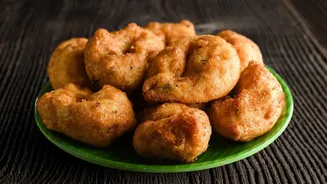
The vada is a cornerstone of Indian cuisine, a category of savoury fried snacks that can be described as fritters, dumplings, or doughnuts. Its history is long, with mentions in ancient texts like the Sangam literature and the 12th-century Sanskrit encyclopedia, Manasollasa. This timeless appeal comes from its delightful textural contrast: a perfectly golden, crispy shell that encases a soft, often fluffy, interior. While originating in South India, the vada has been embraced nationwide, found everywhere from bustling street food stalls to family kitchens and restaurant menus, a testament to its comforting and versatile nature.
Breakfast Hero or Evening Ritual?
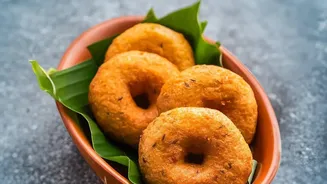
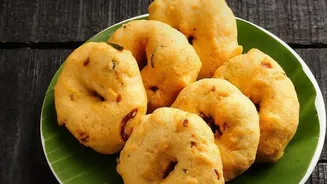
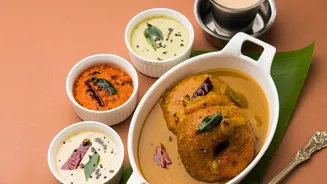
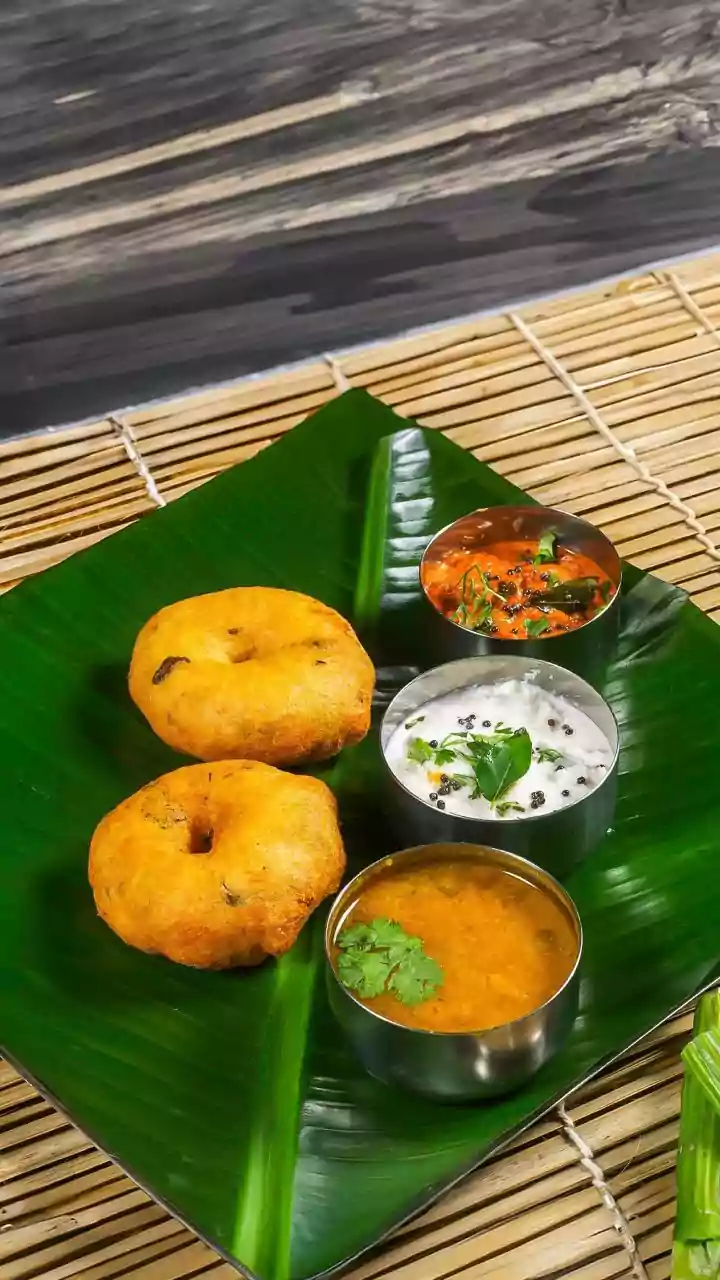
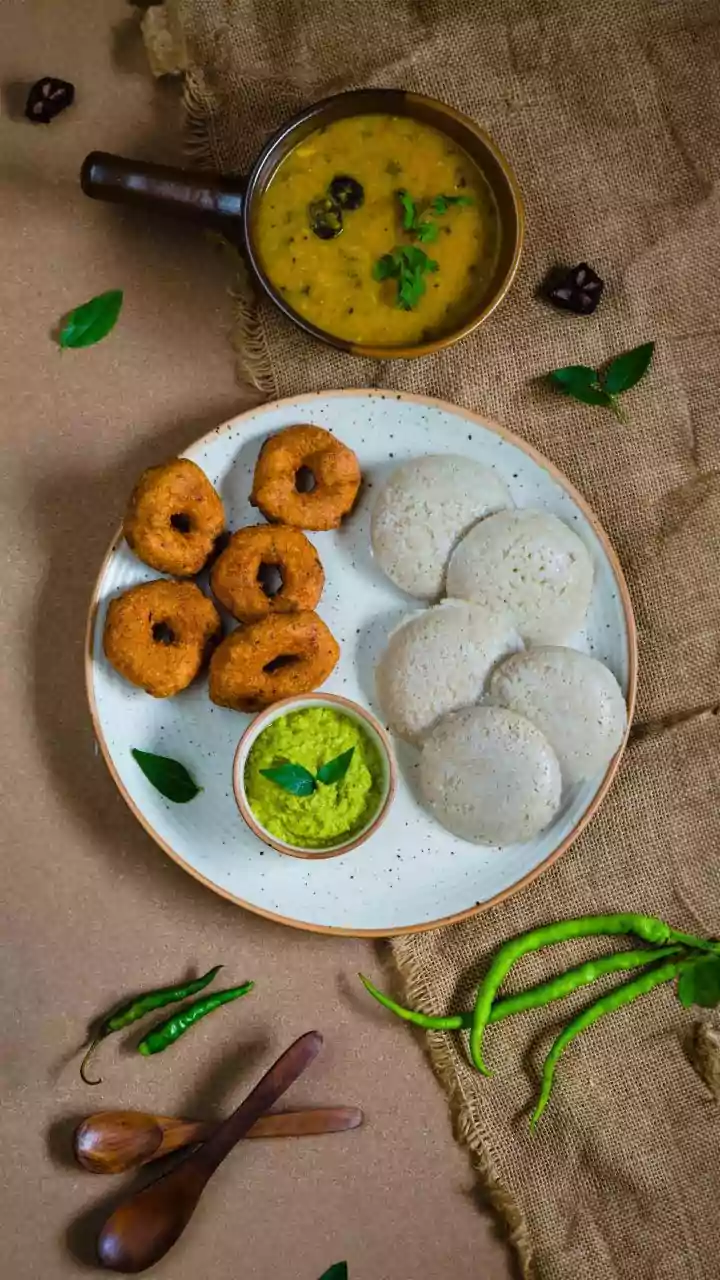
One of the vada's greatest strengths is its versatility. In South India, the Medu Vada is an indispensable part of breakfast, often served alongside idli, piping hot sambar, and fresh chutney. The soft, doughnut-shaped fritter is perfect for soaking up the tangy lentil stew. Yet, as the day unfolds, the vada transitions seamlessly into a cherished evening snack. Paired with a hot cup of chai, the Masala Vada, a crispier and spicier variant, becomes the ideal accompaniment to unwind. This dual identity as both a wholesome morning meal and a satisfying evening indulgence makes it a unique and enduring favourite for any occasion.
A Vada for Every Palate
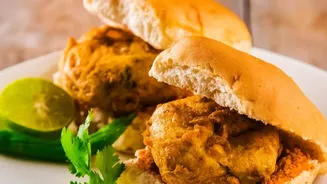
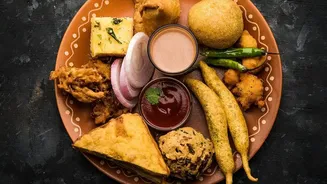
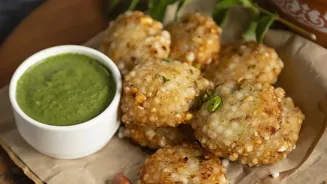
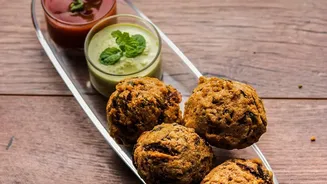
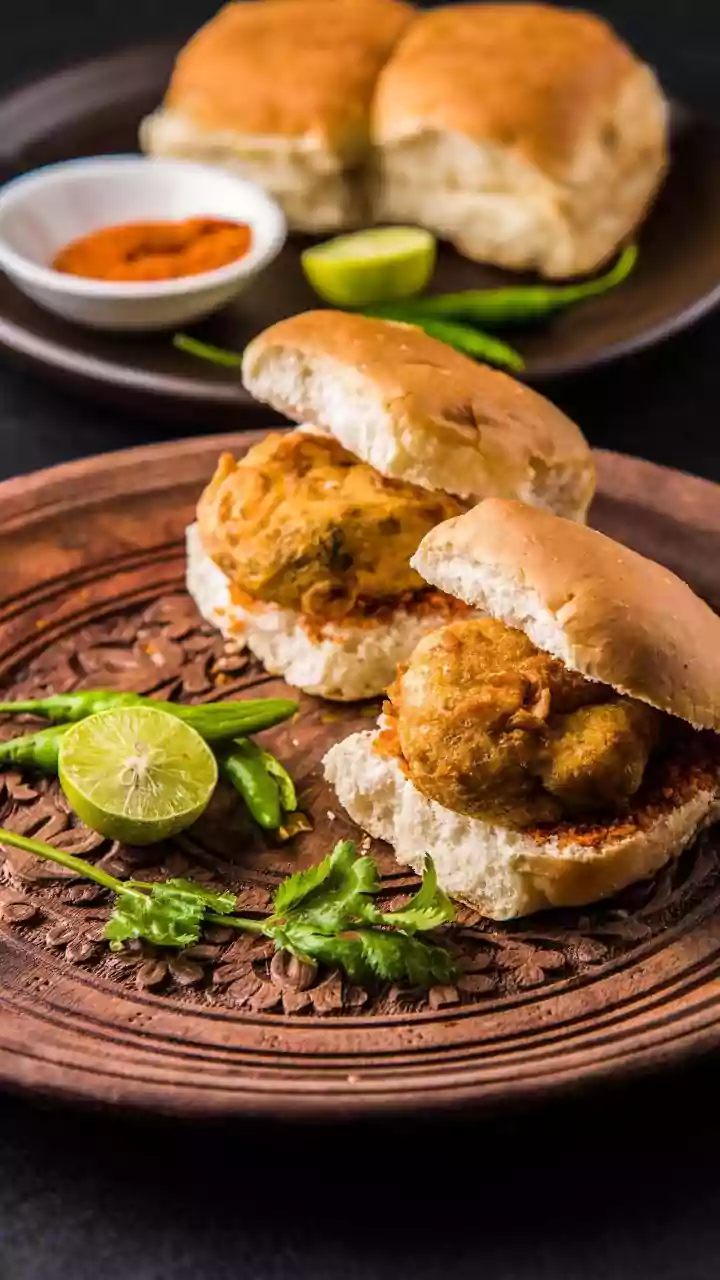
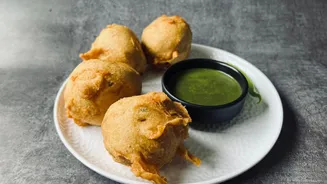
While many are familiar with the classic doughnut shape, the world of vadas is incredibly diverse, with regional variations offering unique flavours and textures. The Medu Vada, made from a fermented urad dal (black gram) batter, is renowned for its crispy-on-the-outside, fluffy-on-the-inside texture. In contrast, the Masala Vada (or Paruppu Vada) is made from chana dal (split chickpeas) and is denser, grainier, and notably crunchier, packed with spices, onions, and curry leaves. From Maharashtra comes the Batata Vada, a soft, spiced potato filling coated in a gram flour batter and fried, which is famously served inside a soft bread roll to create the iconic Vada Pav. Other popular types include the Sabudana Vada from Maharashtra, a fasting favourite made with tapioca pearls, and the Maddur Vada from Karnataka, a flat, crispy disc of rice flour, semolina, and onions.
The Perfect Pairing: Chutneys and Sambar
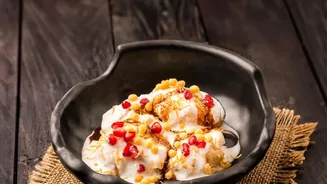
A vada is rarely served alone; its true potential is unlocked by its accompaniments. The most classic pairing, especially for Medu Vada, is a duo of sambar and coconut chutney. The sambar, a hearty and tangy lentil-based vegetable stew, provides a warm, flavourful base to dunk the vada in. Coconut chutney offers a cooling, creamy contrast. This chutney, made from fresh coconut, green chillies, and ginger, balances the heat and richness of the fried snack perfectly. Other popular choices include a sweet and tangy tamarind chutney, often called Imli chutney, and a fresh, herby coriander-mint chutney. For Batata Vada, a dry garlic chutney is often essential, adding a pungent kick.
More Than Just a Snack
Beyond its taste, the vada holds a special place in India's cultural fabric. It's a food of comfort, celebration, and tradition. Vadas are prepared for festivals like Diwali, served at weddings, and enjoyed as a go-to snack on long train journeys. The act of sharing a plate of vadas with tea is a daily ritual that brings people together. Whether grabbed from a street vendor on a rainy day or meticulously prepared at home for a special occasion, the vada represents more than just a delicious fritter; it's a piece of culinary heritage passed down through generations, connecting the past with the present in every single crunchy bite.