






The Brain on a Plate
Before you take your first bite, your brain has already made a series of rapid judgments about your meal. This isn't just about hunger; it's a deeply ingrained survival mechanism. Our eyes are the first line of evaluation, sending signals to the brain about the potential
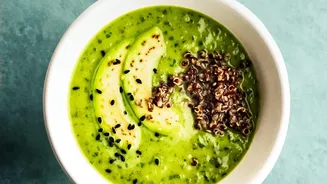
quality, freshness, and even the likely taste of the food in front of us. This visual assessment can trigger a physiological response, stimulating appetite and preparing our digestive system. Studies have shown that the mere appearance of food can influence how flavourful we perceive it to be and even how satisfied we feel after eating it. Food that is presented in a visually appealing way is often rated as tasting better than the exact same ingredients presented messily. This powerful connection between sight and taste is the key to understanding why some healthy foods fail to excite us while others feel like a treat.
A Rainbow of Flavours
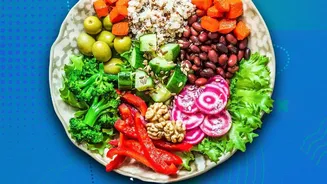
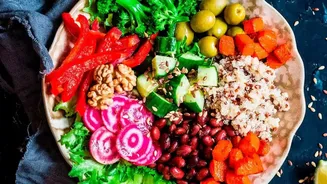
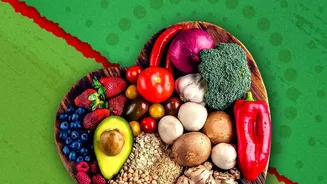
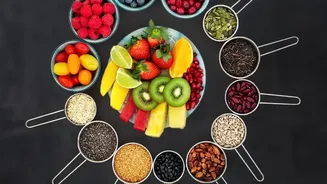
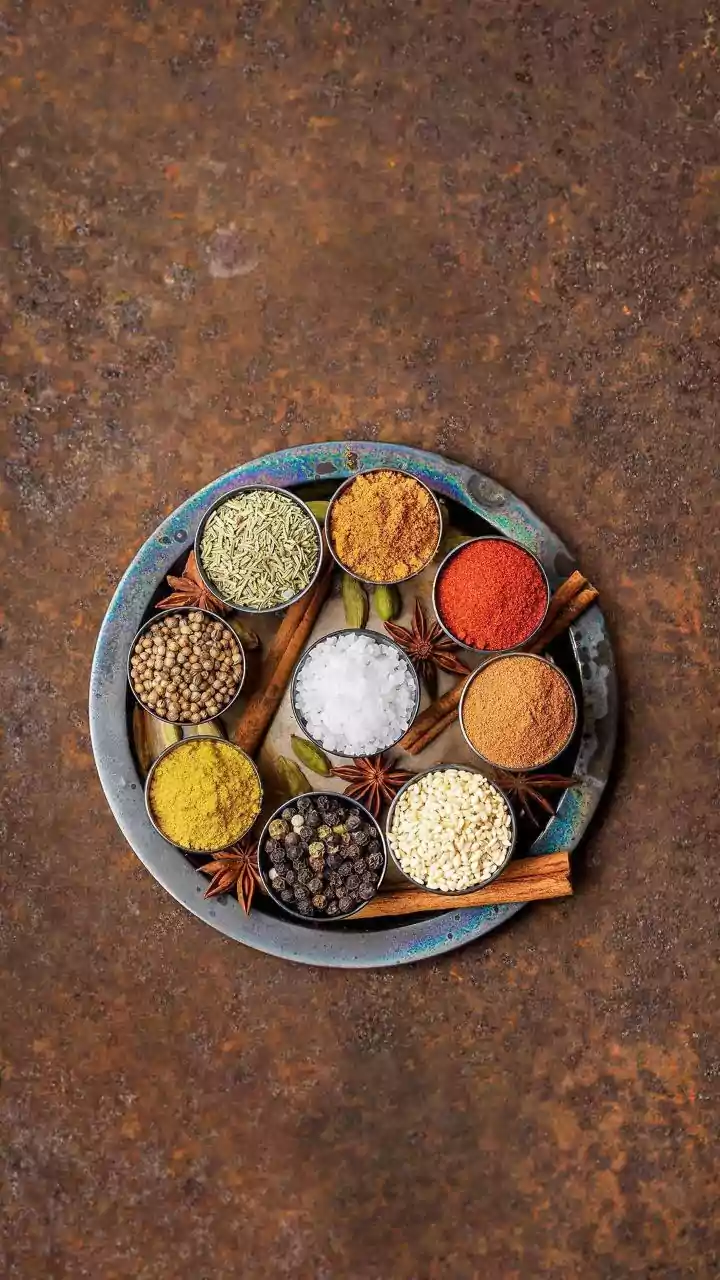
Colour is arguably the most influential visual cue in how we perceive food. Our brains have learned associations between colours and tastes: red often signals sweetness (like ripe fruit), while green suggests freshness or sometimes sourness. A plate brimming with a variety of vibrant colours is not just visually stimulating; it can also make a meal seem more nutrient-dense and appealing. This is something inherent in Indian cuisine, where a colourful thali or a biryani garnished with fresh herbs and fried onions naturally leverages this principle. Research confirms that people are more attracted to plates full of colour. Adding a 'rainbow' of vegetables to your meals—like red bell peppers, orange carrots, yellow dal, and green spinach—doesn’t just boost the nutritional value, it makes the meal psychologically more satisfying and enticing.
Order, Arrangement, and Health
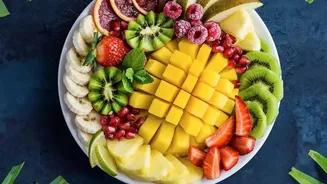
The way food is arranged on a plate sends subtle but powerful messages. A plate with neatly organised components is often perceived as healthier and of higher quality than one where the food is jumbled together. One recent study found that a dish was rated as significantly healthier when the sauce was served separately on the side rather than drizzled all over it. This suggests that a 'minimal' or organised presentation allows the diner to see each component clearly, which may be interpreted by the brain as a sign of fresher, less processed ingredients. You can apply this by simply arranging the items on your plate with intention. Instead of piling everything in the centre, try placing your sabzi, dal, and rice in distinct sections. This simple act of creating order can make your everyday meal feel more special and even healthier before you’ve taken your first bite.
The Plate Size Illusion
The plate itself plays a crucial role in managing our appetite. This is explained by the Delboeuf illusion, an optical trick where a circle of a fixed size appears smaller when surrounded by a larger circle. When applied to food, a serving on a large plate looks smaller, which can unconsciously prompt us to serve ourselves more and feel less satisfied. Conversely, the same amount of food on a smaller plate fills it up, sending a signal to our brain that we have a full, abundant meal. This can lead to increased feelings of satiety with smaller portions. Beyond size, the colour of your plate matters. Using a plate that contrasts with the colour of your food can make portion sizes more obvious and may help reduce how much you eat. For example, serving white rice on a dark-coloured plate makes the portion size clearer than serving it on a white plate.
Simple Tricks for a Healthier Plate
You don’t need to be a professional chef to make your healthy meals more appealing. The key is to be mindful of presentation. Start by adding a variety of colours to every meal. Think about adding a sprinkle of fresh coriander, a few pomegranate seeds, or a side of sliced cucumber and tomato. Texture also adds to the visual appeal and eating experience; combining smooth foods like dal with crunchy elements like a kachumber salad can make a meal more interesting. Pay attention to your dishware. Consider using smaller plates and bowls for your main meals to help with portion control. Finally, take a moment to arrange your food neatly. By consciously creating a plate that is orderly and colourful, you are not just making your food look better—you are sending a powerful message to your brain that this is a satisfying, delicious, and healthy meal.