






What Sparked the Concern?
The recent wave of concern was amplified when a popular YouTuber, Sourav Joshi, posted a video claiming the fuel efficiency of his Mercedes-Benz GLC plummeted from around 16-17 km/l to just 5 km/l after using E20 petrol. The video quickly went viral,
tapping into a broader undercurrent of anxiety among vehicle owners about India's nationwide shift to ethanol-blended fuel. Drivers of various car brands have been sharing experiences of decreased mileage and expressing worries about potential long-term engine damage, particularly in vehicles not originally designed for E20.
Mercedes-Benz Sets the Record Straight
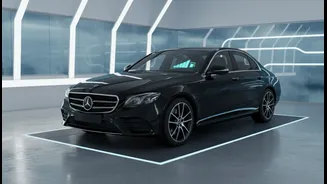
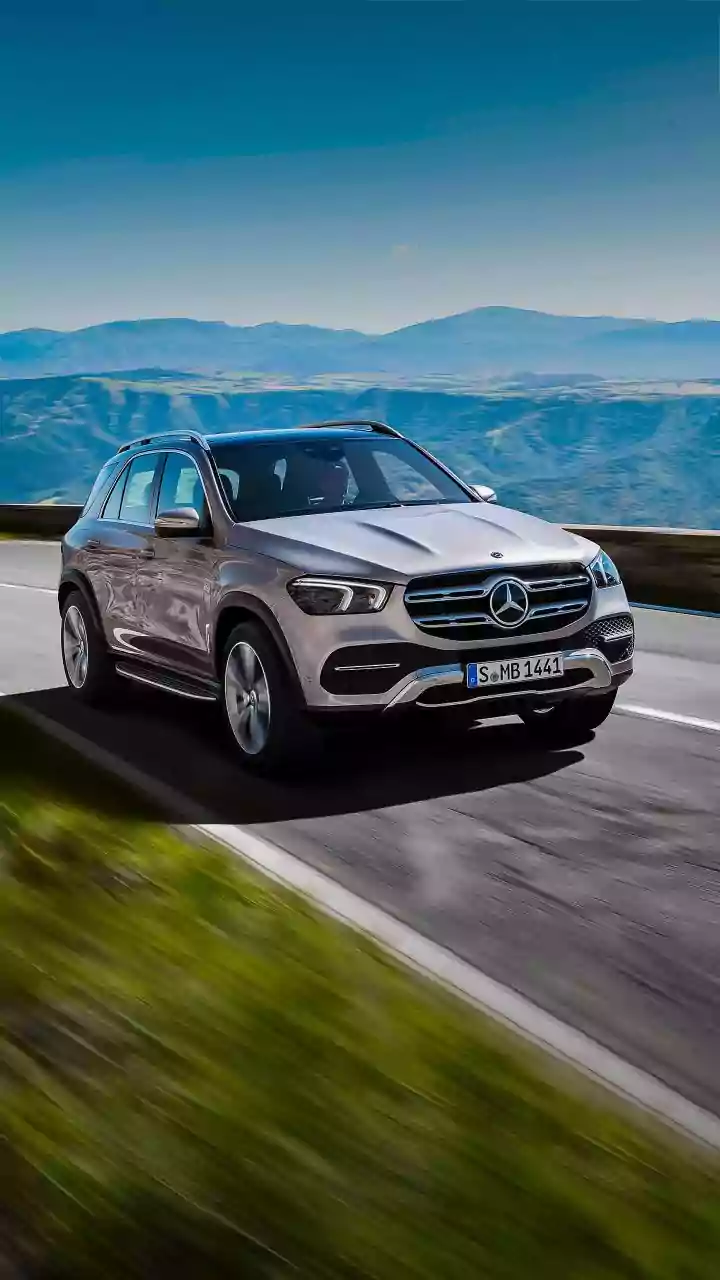
In response to the growing apprehension, Mercedes-Benz India released a formal 'Customer Advisory' via its social media channels. The statement was unequivocal: "All Mercedes-Benz petrol BS VI vehicles are materially compatible with E20 fuel and certified accordingly by relevant authorities." The company emphasised that customer safety, vehicle reliability, and performance are of paramount importance. While not mentioning the specific viral video, the advisory was clearly timed to address the concerns it raised, assuring customers and offering technical support for any queries.
Understanding E20 Fuel and BS-VI Norms
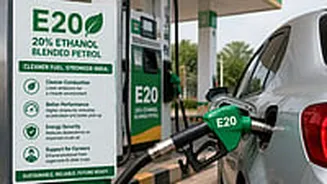
So, what is this fuel at the heart of the debate? E20 is a blend of 80% petrol and 20% ethanol. The Indian government is promoting its use to reduce the country's reliance on imported crude oil, lower carbon emissions, and provide an additional income stream for farmers who grow crops like sugarcane and maize, from which ethanol is produced. This fuel transition is closely linked to the Bharat Stage VI (BS-VI) Phase 2 emission norms, which came into effect in April 2023. These regulations mandate that all new vehicles sold from that date must be E20-compliant, incorporating features like On-Board Diagnostics (OBD-2) to monitor emissions in real-time.
Is My Mercedes E20 Compatible?
The official word from Mercedes-Benz is a clear 'yes' for all its BS-VI petrol models. The company has stated that these vehicles have been engineered, tested, and certified to run safely on E20. While the recent advisory focused on BS-VI vehicles, previous statements from the company's leadership have indicated that a significant number of Mercedes cars sold even before the BS-VI era are E20-compliant. In 2025, the company's India CEO noted that the bulk of cars sold since 2018 would be compatible. However, for absolute certainty, owners are always advised to check their vehicle's owner manual and the information sticker inside the fuel filler cap.
Mileage, Performance, and the Bigger Picture
A key part of the E20 fear is the impact on fuel efficiency. It is a scientific fact that ethanol has a lower energy density than petrol. Because of this, a minor drop in mileage of around 3-6% is generally expected when using E20 fuel, a figure acknowledged by government agencies. A dramatic drop, like the 70% claimed in the viral video, is highly unlikely to be caused by the fuel alone in a mechanically sound vehicle. Mercedes-Benz noted that fuel efficiency depends on numerous factors, including driving style, traffic, tyre pressure, and overall vehicle condition, and offered to inspect any vehicle to diagnose the root cause of abnormal fuel consumption. The move by Mercedes to issue a clear statement is part of a broader industry effort to build consumer confidence as India navigates this major energy transition.