


Our Global Waste Problem
Every year, humanity generates staggering amounts of waste. A significant portion of this is agricultural residue, such as the stalks and leaves of corn, which are often left to rot or are burned. On top of this, plastic pollution remains a persistent
environmental crisis, with millions of tons of plastic waste produced annually. In many parts of the world, these waste streams represent a missed opportunity. At the same time, food insecurity affects millions, creating a dual challenge: we have too much of what we don't want (waste) and not enough of what we desperately need (food). This paradox has spurred researchers to look for innovative, circular solutions that can tackle both problems at once.
Enter the Microbial Factory
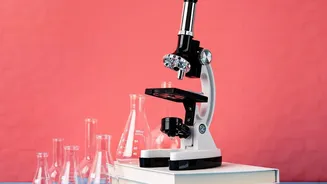
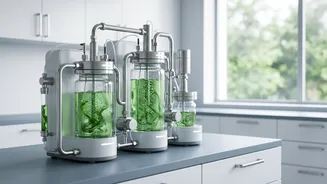
The solution might be smaller than the eye can see. Scientists are developing 'microbial food factories' that use microorganisms like bacteria, yeast, fungi, and algae as tiny, efficient bioreactors. The concept is a form of biotransformation, where microbes consume waste materials as their food source, or 'feedstock'. Through their natural metabolic processes, they convert the carbon and other elements in the waste into new, valuable compounds. The primary output in many of these systems is a substance known as single-cell protein (SCP), a dense, protein-rich biomass that can be harvested. This isn't a new idea, but recent advancements in microbiology and genetic engineering have made it more powerful and versatile than ever before.
How Trash Becomes Food
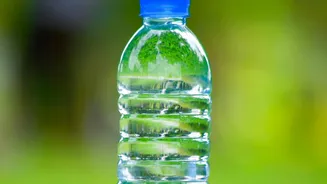
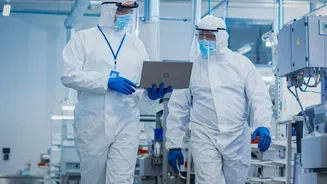
The process begins by breaking down complex waste materials into a form that microbes can easily digest. For tough agricultural waste or even plastics like PET (polyethylene terephthalate) from bottles, this might involve a pre-treatment process using heat, pressure, and water. Once the waste is broken down into simpler chemical components, it's fed to the chosen microorganisms in a controlled environment, like a fermentation tank. The microbes then get to work, consuming these components and multiplying rapidly. After the fermentation is complete, the resulting microbial biomass is harvested, separated from the remaining liquid, and dried. The final product is often a nutrient-rich powder or paste, packed with protein and sometimes supplemented with vitamins and minerals created by the microbes themselves.
The Promise for Remote and Resource-Limited Areas
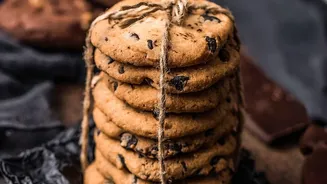
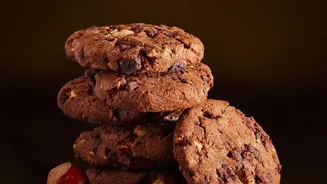
This technology holds immense promise for places where traditional agriculture is difficult and supply chains are unreliable. Microbial food factories can be designed as small-scale, decentralized systems. This means a remote village, a disaster relief zone, or even a deep-space mission could potentially generate its own high-protein food source using local waste streams. For example, a community could convert its agricultural byproducts into animal feed, reducing the need to import expensive feed and strengthening local food security. Researchers at Southern Illinois University have even demonstrated a process, part of a NASA-backed project, that could turn plastic and plant waste into ingredients for protein-rich cookies, highlighting the potential for extreme environments.
The Challenges Ahead
Despite its potential, microbial food production faces several hurdles. Ensuring the absolute safety of food derived from waste, especially plastic, is paramount. Rigorous testing is needed to prove that no harmful compounds from the original waste material make their way into the final product. Scalability and cost-effectiveness are also major considerations; the energy required for the pre-treatment and fermentation processes must be manageable. Finally, there's the challenge of public acceptance. The idea of eating food derived from waste, let alone plastic, can be off-putting. Overcoming this 'ick factor' will require transparency, education, and demonstrating the safety and nutritional benefits of these novel foods.