







Before a Meal: A Tool for Satiety
Eating a banana before a meal can be a smart strategy for weight management. Bananas are rich in fiber, which helps you feel fuller for longer. This sense of satiety can prevent you from overeating during your main meal. The fiber in bananas, particularly
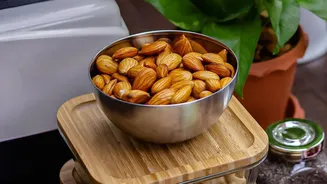
in those that are less ripe, slows down the emptying of your stomach. This can lead to a reduced overall calorie intake. Starting with a banana can also kickstart your digestion. However, some experts caution against eating a banana on a completely empty stomach, especially if it's very ripe, as its sugar content could cause a rapid spike and subsequent crash in blood sugar for some individuals. To avoid this, consider pairing it with a source of protein or fat, like a few almonds.
After a Meal: An Aid for Digestion
Consuming a banana after a meal is a common practice that can offer several benefits. Bananas contain enzymes like amylase, which help break down carbohydrates, and are a good source of fiber, which promotes regular bowel movements and can help prevent constipation. They can also have a soothing effect, especially after a heavy or spicy meal, potentially reducing sensations of burning or irritation. For those looking to satisfy a sweet craving, a banana serves as a healthy, nutrient-dense dessert alternative to processed sweets. While generally beneficial, some Ayurvedic principles suggest that eating a heavy fruit like a banana immediately after a large meal could lead to bloating or heaviness for some individuals, particularly those with a sensitive digestive system. Waiting for an hour or two post-meal might be a better option for them.
Between Meals: The Perfect Energy Boost
As a midday or afternoon snack, a banana is an excellent choice to combat energy slumps. The natural sugars in bananas—sucrose, fructose, and glucose—provide a quick yet sustained energy boost, free from the fats and cholesterol found in many processed snacks. This makes it an ideal pick-me-up to get through an afternoon lull or to fuel up before a workout. The combination of carbohydrates and potassium makes it a favorite among athletes for replenishing energy stores and preventing muscle cramps. Its fiber content also contributes to feeling full, which can help you avoid reaching for less healthy, high-calorie snacks between your main meals.
A Note on Ripeness: Green vs. Yellow
The ripeness of your banana plays a crucial role in its nutritional effects. Green, or unripe, bananas are higher in resistant starch, which functions like fiber. This type of starch is not easily digested, leading to a slower release of sugar into the bloodstream and a lower glycemic index (GI). This makes greener bananas a better choice for blood sugar control and gut health, as resistant starch acts as a prebiotic, feeding good bacteria in your colon. As a banana ripens and turns yellow, its resistant starch converts into simple sugars, making it sweeter, softer, and easier to digest. Ripe bananas provide a quicker source of energy and also have higher levels of antioxidants. An overripe banana with brown spots is at its sweetest and can be ideal for baking or a rapid energy boost.