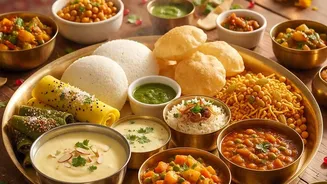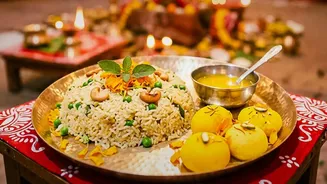


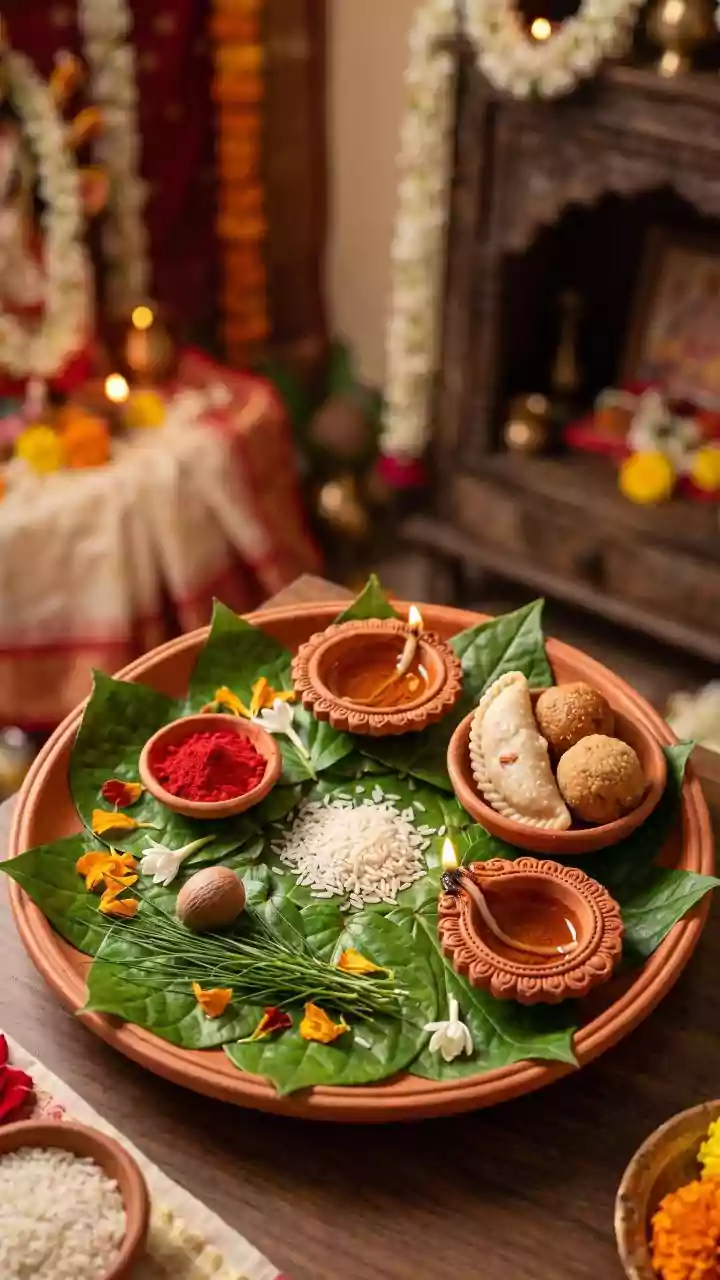


As married women across India prepare for Karwa Chauth on October 29, the focus turns to Sargi, the crucial pre-dawn meal. This traditional thaali is more than just food; it's a ritual of love, blessings, and vital nourishment for the day-long fast ahead.
The Significance of Sargi
Sargi is a cornerstone of the Karwa Chauth festival, a day when married Hindu women observe a strict, waterless fast from sunrise to moonrise for the longevity and well-being of their husbands. The Sargi is a meal and a gift, traditionally prepared by a mother-in-law for her daughter-in-law. This act symbolizes her love, care, and blessings for the fast ahead. It's a ritual that strengthens the bond between them and sets a positive, spiritual tone for the day. The meal is consumed before sunrise, typically between 4 and 5:30 AM, providing the essential energy and hydration needed to sustain the body throughout the demanding 'nirjala' fast.
What a Traditional Sargi Thaali Contains
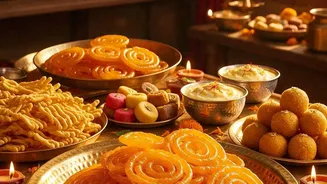
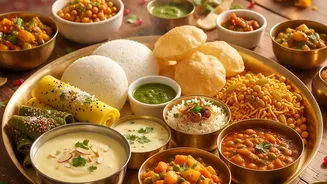
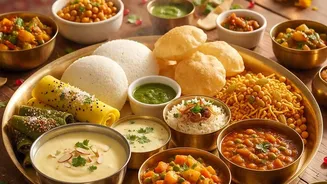
A traditional Sargi thaali is a thoughtfully balanced assortment of foods that are both symbolic and nutritious. While items can vary by region and family customs, several components are staples. This often includes 'pheni' or 'seviyan' (sweet vermicelli) in milk, a light stuffed paratha, and savoury 'mathri'. A variety of fresh, seasonal fruits like bananas, pomegranates, and apples are included for natural sugars and hydration. A handful of dry fruits such as almonds, walnuts, and dates provide healthy fats and sustained energy. A sweet dish like 'mithai' and a glass of milk or coconut water often complete the platter. Many mothers-in-law also include 'shringar' items like bangles and sindoor as part of the blessing.
The Nutritional Wisdom Behind Sargi
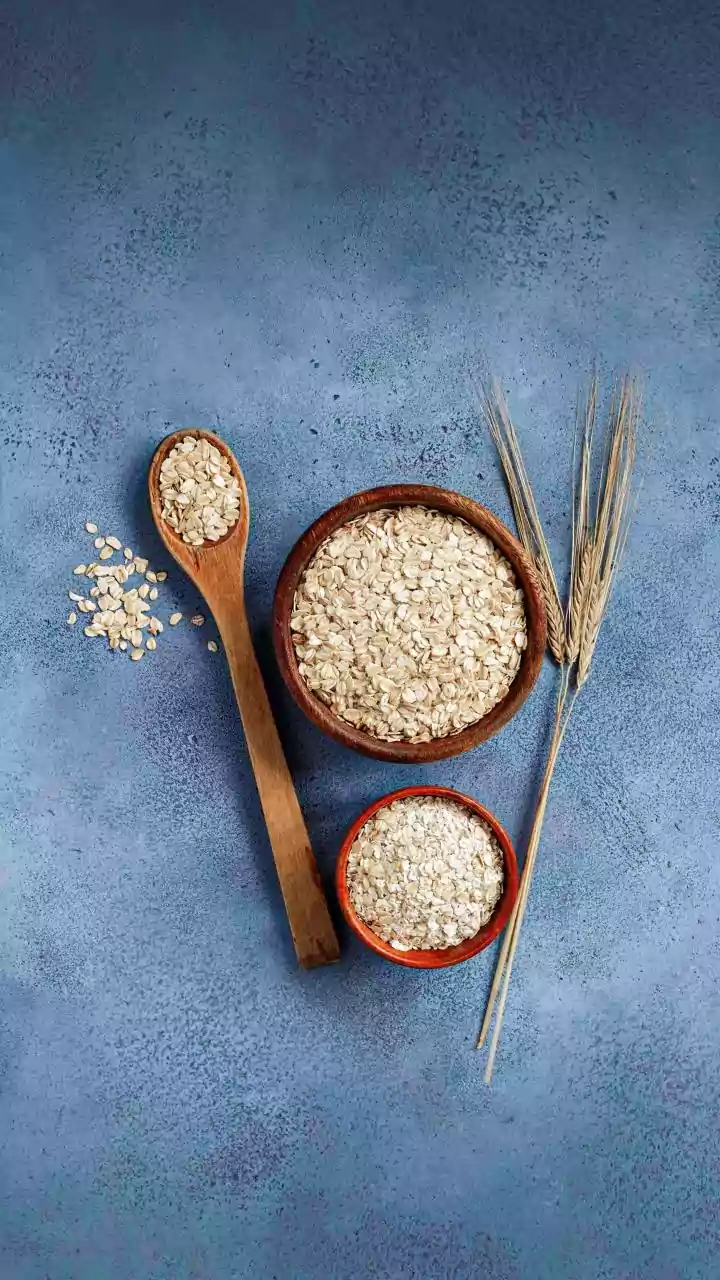
The composition of the Sargi thaali is rooted in practical nutritional science. The goal is to provide slow-releasing energy and maintain hydration. Complex carbohydrates from whole-wheat parathas or oats release energy gradually, preventing a mid_day crash. Proteins and healthy fats from nuts, paneer, and curd (yoghurt) promote a feeling of fullness for longer. Fruits and coconut water are excellent for hydration, replenishing electrolytes before the fast begins. Soaked almonds are easier to digest and enhance nutrient absorption. This blend of nutrients helps prevent common fasting issues like headaches, dizziness, and fatigue.
Foods to Favour for a Healthy Fast
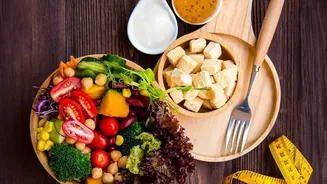
To make your fast more comfortable, focus on building a balanced plate. A combination of protein, complex carbs, and healthy fats is key. Opt for a paneer_stuffed paratha, a bowl of oatmeal, or curd with fruits. Include hydrating fruits like apples, pears, and pomegranates. A handful of soaked almonds and a few dates will provide a steady stream of energy without being too heavy. Drinking a glass of warm milk or coconut water, followed by plain water right before sunrise, will also help you stay hydrated through the day. The idea is not to overeat, but to eat smart, nutrient_dense foods that will support your body.
What to Avoid in Your Pre_Dawn Meal
Just as important as what to eat is what to avoid. Steer clear of overly oily or fried foods like puris and pakoras, as they can cause sluggishness and acidity later. It's also wise to limit excessively salty items like pickles and some namkeens, as salt increases thirst, a major challenge during a waterless fast. While sweets are a part of the tradition, consuming too much sugar can lead to an energy spike followed by a crash. Caffeinated drinks like strong tea and coffee should also be avoided, as they can have a diuretic effect and contribute to dehydration. A light, balanced meal will serve you far better than a heavy, indulgent one.