





The Meal Prep Rut
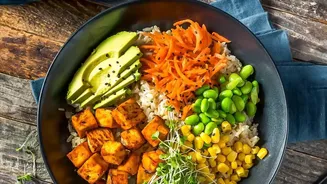
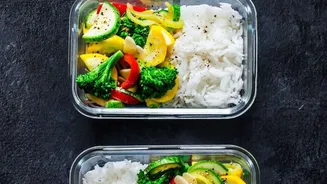
Traditional meal prepping involves cooking complete meals in advance, portioning them into containers for the week. While efficient, this method has its downsides. The most common complaint is food fatigue. By Thursday, the thought of eating that same
chicken and rice bowl again can be unappealing, leading many to abandon their prepped meal for takeout. This rigidity can feel overwhelming and less like a convenience and more like a chore, which is why many people who try it, don't stick with it. Fully cooked meals, especially those with mixed components, can also suffer in quality, with vegetables becoming soggy and textures changing upon reheating.
A More Flexible Approach: Ingredient Prep
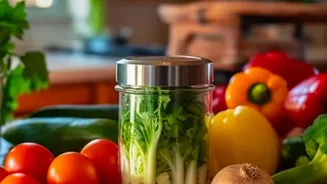
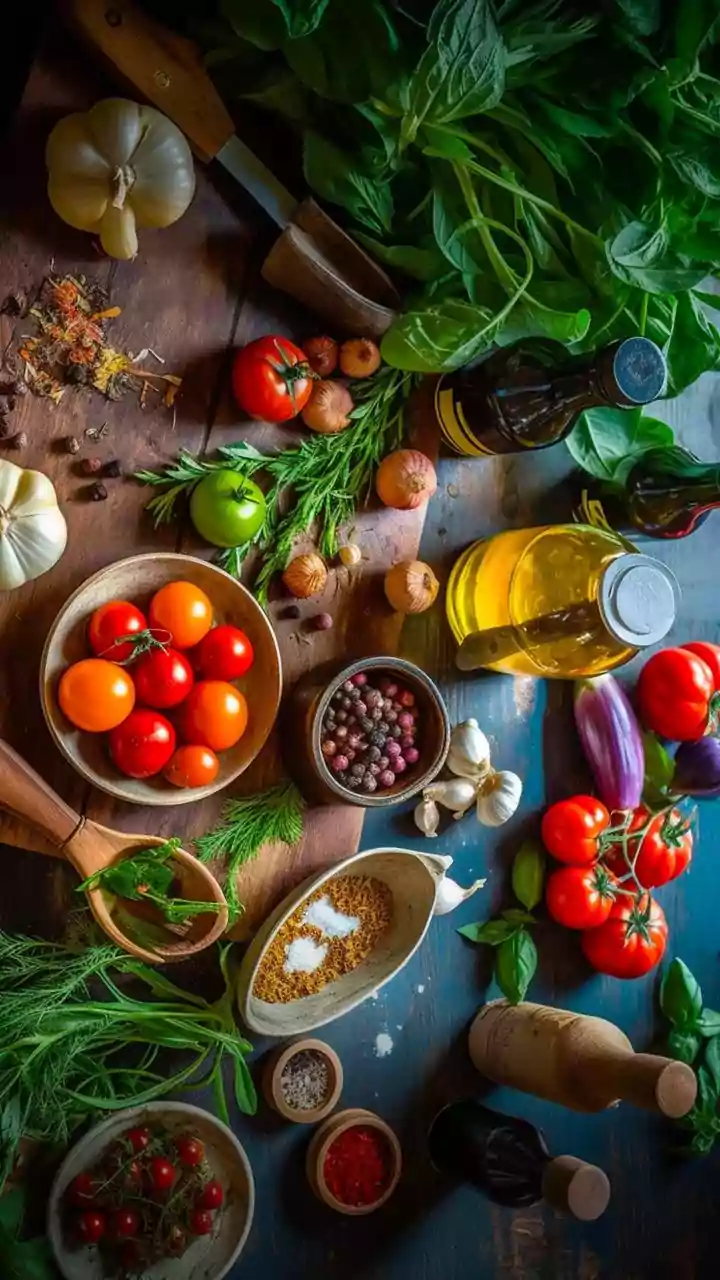
Ingredient prep is a different philosophy. Instead of making entire meals, you prepare the components. This means dedicating some time, perhaps on a Sunday, to chopping vegetables, cooking a batch of grains like quinoa or rice, marinating proteins, or boiling a few eggs. These prepared building blocks are then stored separately in the fridge. The goal isn't to have a finished meal ready to go, but to drastically cut down on the cooking time and effort required for each meal during the busy week. This method is often seen as less daunting and more manageable than full-scale meal prepping.
Freedom from Food Boredom
The single biggest advantage of ingredient prep is flexibility. When you have a container of chopped bell peppers, another of cooked chicken, and a third with brown rice, you have options. One night, you can quickly toss them into a stir-fry. The next day, you could use the chicken and peppers to make a quesadilla or a hearty salad. This ability to mix and match components allows you to cater to your cravings in the moment, rather than being locked into a meal you decided on days ago. This variety keeps meals interesting and makes it easier to stick to your healthy eating goals.
Reducing Waste and Saving Money
Prepping ingredients can also be a powerful tool for reducing food waste. When you plan your prep around what's already in your fridge, you're more likely to use up produce before it spoils. If you bought a large bunch of carrots, chopping them all at once makes it easy to grab a handful for a snack, toss them into a soup, or roast them as a side dish. This ensures that ingredients get used instead of being forgotten in the crisper drawer. By using what you have and avoiding last-minute takeout orders because you're too tired to cook, you also end up saving a significant amount of money over time.
How to Get Started
Getting started with ingredient prep is simple. You don't need to prep for an entire week to feel the benefits. Start small by choosing just a few components. Wash and chop your most commonly used vegetables, like onions and bell peppers. Cook a large batch of a versatile grain, such as quinoa or brown rice. You could also prepare a protein; for example, bake a few chicken breasts to be shredded or hard-boil half a dozen eggs. Store everything in airtight containers. You'll be surprised at how much faster your weeknight dinners come together when the time-consuming prep work is already done.