


The Allure of the Undiscovered
Azerbaijan remains one of the Caucasus region's most underrated hiking destinations. While neighbouring countries have seen a surge in trekking tourism, Azerbaijan's trails offer a quiet that has become a rare commodity. This relative obscurity is precisely
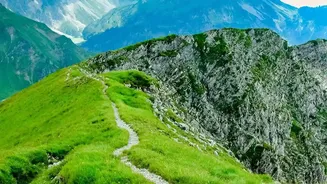
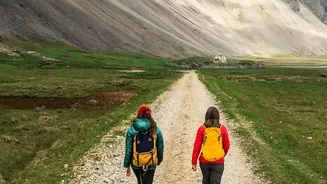
the appeal for walkers tired of sharing their vistas. Here, the experience is less about following a well-trodden route and more about immersing oneself in landscapes that feel genuinely remote and untouched. The trails wind through national parks like Shahdag and past peaks soaring over 4,000 metres, yet you can walk for hours with only the sounds of nature for company.
Into the Heart of the Caucasus
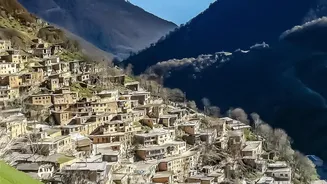
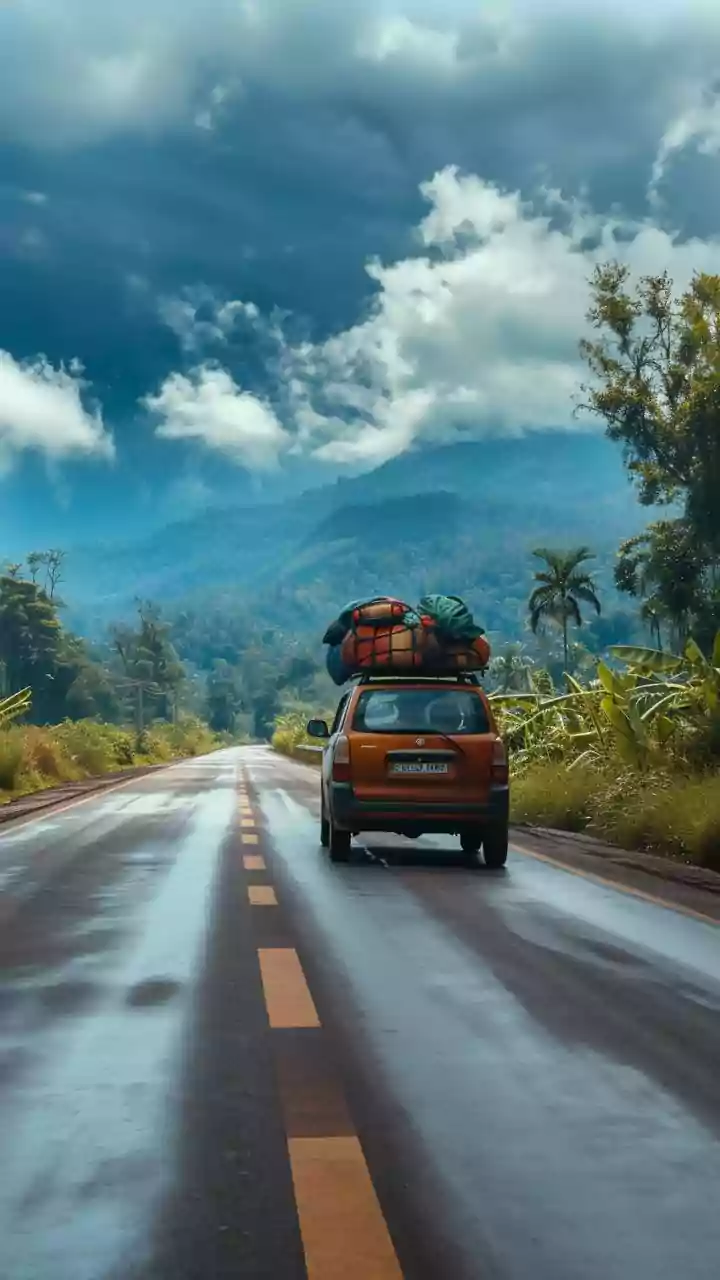
The adventure begins where the paved roads end. Much of the country's best hiking is concentrated in the Greater Caucasus in the north. This region is home to ancient villages perched at staggering altitudes, many of which are only accessible via rugged tracks or on foot. Villages like Khinalig, one of the highest and oldest continuously inhabited settlements in the Caucasus, serve as incredible gateways to high-altitude trekking. The journey to these hubs is part of the experience, often involving off-road drives that climb into a world of alpine meadows, deep canyons, and dramatic river valleys.
Trails Laced with History and Culture
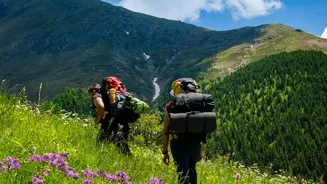
Walking in Azerbaijan is not just a physical activity; it's a cultural journey. The trails often connect ancient villages, following paths used by shepherds and traders for millennia. One popular route connects the artisan village of Lahij, famous for its coppersmiths and cobbled lanes, with the nearby village of Muju. This challenging day hike takes you through protected forests and up to pastures with breathtaking views before descending into a town that feels preserved in time. Another rewarding area is the network of trails around Khinalig, Griz, and Galakhudat, where hikers can stay in local guesthouses, experience legendary Azerbaijani hospitality, and learn about the unique languages and traditions of these isolated communities.
A Landscape of Raw Beauty
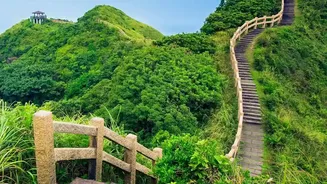
The diversity of the landscape is staggering. Within a relatively small area, walkers can experience everything from the semi-desert terrain near the Caspian Sea to the dense, primeval forests of Hirkan National Park and the glacial peaks of the high Caucasus. Routes like the one from Khinalig to Galakhudat offer magnificent views of the steep cliffs of Mount Gizilgaya and the expansive Gudyalchay river valley. Other trails, particularly those being developed as part of the Transcaucasian Trail, traverse remote highlands and deep valleys, crossing rivers and high-altitude pastures that promise a serious challenge for experienced trekkers. It's this variety that ensures every day on the trail offers something new.
Planning Your Azerbaijani Trek
While the solitude is a major draw, it also means that hiking in Azerbaijan requires more preparation than in more developed trekking regions. Many trails are unmarked or only partially marked, making a GPS device or a local guide highly recommended, especially for multi-day treks. The weather in the mountains can be unpredictable, so proper gear is essential. The main hiking season generally runs from May to September, depending on the altitude and snow conditions. For those willing to do the planning, the reward is immense: an authentic adventure that combines spectacular natural beauty with a profound sense of peace and cultural connection.