





The Substantial Stir-fry
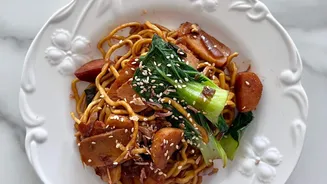
The most classic way to enjoy bok choy is in a stir-fry, but to make it a main, you need to think beyond a simple sauté. The key is to build a hearty base. Start by searing halved or quartered baby bok choy until the cut sides are nicely caramelized.
Remove them from the pan, then stir-fry your choice of protein—think sliced beef, chicken, tofu, or shrimp—with aromatics like garlic and ginger. Create a rich, flavourful sauce using ingredients like soy sauce, oyster sauce (or a vegan alternative), and a touch of sesame oil, using a cornstarch slurry to thicken it so it generously coats everything. Return the bok choy to the pan at the very end, tossing just enough to warm it through while keeping its signature crunch. Served over a bed of steamed rice, the bok choy becomes an integral part of a satisfying, complete meal.
The Comforting Noodle Soup
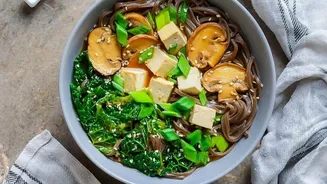
For a light yet deeply satisfying meal, make bok choy the star of a noodle soup. Its stems and leaves cook quickly, adding fresh flavour and texture. Begin by creating a fragrant broth, simmering aromatics like ginger, garlic, and shallots in chicken or vegetable stock. You can add ingredients like sliced shiitake mushrooms for an extra layer of umami. About five minutes before serving, add the bok choy stems to the simmering broth, followed by the leaves a few minutes later to ensure they wilt perfectly without becoming mushy. Add pre-cooked noodles, such as ramen or soba, and finish with a protein like a soft-poached egg or leftover shredded chicken. The bok choy provides a wonderful, crisp counterpoint to the soft noodles and rich broth.
The Bold Sheet-Pan Roast
Roasting transforms bok choy, mellowing its flavour and creating deliciously crispy edges. For a hearty one-pan meal, toss quartered bok choy with other robust vegetables like broccoli florets, sliced bell peppers, and onions. Add a protein like chicken thighs or firm tofu cubes to the same pan. Create a bold marinade with olive oil, soy sauce, minced garlic, ginger, and a little honey or maple syrup for sweetness, and brush it evenly over all the ingredients. Roast at a high temperature (around 400-450°F or 200-230°C) until the vegetables are tender and charred at the edges, and the protein is cooked through. The bok choy becomes wonderfully tender with crispy leaves, holding its own as a primary component of this easy, minimal-cleanup dinner.
The Rich Braise
Braising is a fantastic method for infusing bok choy with deep, savory flavours, turning it into a fork-tender main course. The technique involves gently simmering the vegetable in a flavourful liquid until it’s soft and succulent. In a wide pan, create a braising liquid with vegetable or chicken broth, soy sauce (or tamari), garlic, and a touch of hoisin or rice vinegar. Arrange halved or quartered bok choy in the liquid, bring to a simmer, then cover and cook for about 10 minutes until the stems are tender. For a heartier dish, you can braise the bok choy alongside shiitake mushrooms or slices of firm tofu. Once the bok choy is cooked, you can remove it and reduce the remaining liquid to a glaze to pour over the top. This method is perfect served over rice, allowing the grain to soak up the delicious sauce.
The Crisp and Vibrant Salad
For the ultimate light meal, use bok choy raw. Its crunchy texture and mild taste make it a fantastic and refreshing salad base. Thinly slice baby bok choy, including both the crisp white stems and the tender green leaves, to create a texture similar to romaine or cabbage slaw. Toss it with other crunchy vegetables like shredded carrots, thinly sliced radishes, and scallions. To make it a meal, add a protein such as grilled chicken, edamame, or a handful of toasted almonds for crunch. Whisk together a simple sesame-soy vinaigrette with rice vinegar, sesame oil, soy sauce, and a hint of ginger to tie all the flavours together. This preparation highlights bok choy’s fresh, crisp qualities in a healthy and satisfying way.