

The Two-Crop Trap
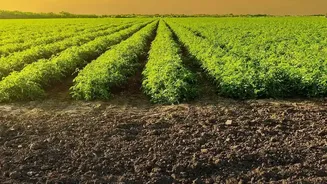
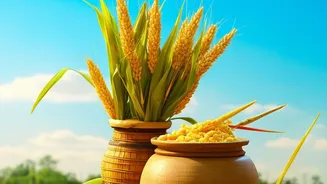
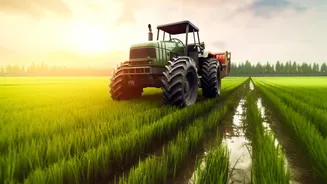
Since the Green Revolution of the 1960s, Punjab's agriculture has been dominated by a simple, productive cycle: growing paddy (rice) in the summer (Kharif season) and wheat in the winter (Rabi season). This two-crop system, supported by government policies,
made India self-sufficient in food grains and brought prosperity to the state’s farmers. For years, it seemed like a perfect model, with around 85% of Punjab's cultivated land dedicated to just these two crops. This intense focus, however, has slowly turned from a blessing into a long-term problem.
The Hidden Environmental Cost
The relentless cultivation of rice and wheat has taken a severe toll on Punjab's natural resources. The biggest crisis is water. Paddy is a water-guzzling crop, requiring about 3,000 litres of water to produce just one kilogram of rice. This has led to a drastic depletion of the groundwater table, with aquifers in nearly 80% of the state now considered overexploited. Beyond water, the practice has degraded soil health. Continuous single-crop cycles strip the soil of essential nutrients, leading to lower fertility and an increased reliance on chemical fertilisers. This cycle also contributes to severe air pollution when farmers burn leftover paddy stubble to quickly clear fields for wheat sowing.
What is Crop Diversification?
Crop diversification is simply the process of shifting away from this two-crop monoculture to a wider variety of crops. Instead of planting only paddy and wheat, the goal is for farmers to cultivate other options like maize (corn), cotton, pulses (like moong and arhar), oilseeds, and even fruits and vegetables. The idea is not to abandon rice and wheat entirely but to reduce their overwhelming dominance. This helps restore ecological balance, improves soil health by reintroducing different nutrients, and makes agriculture more resilient and sustainable in the long run.
The Alternative Menu for Farmers
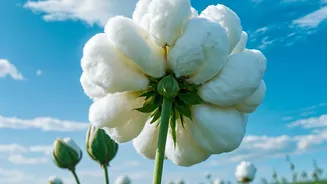
There are several viable alternatives to the paddy-wheat cycle. Maize is a major contender, as it consumes significantly less water than paddy. Cotton, once a major crop in Punjab, is also being encouraged. Pulses and oilseeds are beneficial as they help fix nitrogen in the soil, reducing the need for chemical fertilisers. Some progressive farmers are also experimenting with high-value horticultural crops like strawberries, melons, and exotic vegetables, which can offer higher profits in niche markets. Agroforestry, which integrates trees with crops, is another long-term strategy being considered to restore soil and water levels.
The Challenge: MSP and Market Security
If diversification is so necessary, why aren't more farmers switching? The primary reason is economic security. The government provides a Minimum Support Price (MSP) and assured procurement for wheat and paddy. This means farmers have a guaranteed buyer (the government) and a guaranteed price for their entire produce, insulating them from market risks. For alternative crops like maize or pulses, this safety net is either weak or non-existent. Farmers often face volatile market prices and have to sell to private players, sometimes at a loss. Without a reliable market and price guarantee for alternative crops, switching from the paddy-wheat cycle feels like a huge financial gamble.
What's Being Done to Encourage Change?
The Punjab government is actively trying to promote diversification. One of the main initiatives is providing financial incentives to farmers who shift from paddy to other crops. For the 2026-27 season, the government expanded a scheme offering a subsidy of ₹17,500 per hectare for farmers cultivating maize instead of paddy. There are also efforts to provide subsidised machinery for alternative crops and create awareness campaigns. However, the success of these programs has been mixed. Experts argue that for diversification to truly succeed, it needs to be backed by strong institutional support, including creating robust markets and procurement systems for the new crops, which has been a challenge.