


From Showroom to Soulful
There’s a quiet rebellion happening in our living rooms. The era of stark, untouchable minimalism and rigid, matching furniture sets is giving way to something warmer, more layered, and deeply personal. Designers and homeowners alike are moving away from
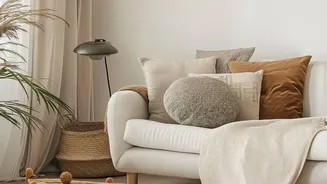
spaces that feel staged for a photoshoot and towards environments that reflect a life well-lived. This trend, sometimes called 'found luxury' or the 'age of intention', isn't about chasing fleeting fads but about creating authentic, timeless spaces. It’s a move from cold, gallery-like rooms to character-rich homes where comfort, personality, and even imperfection are celebrated. The focus has shifted from how a room looks to how it makes you feel, prioritising emotional connection and a sense of belonging over a cookie-cutter aesthetic.
The Bookshelf as a Biography
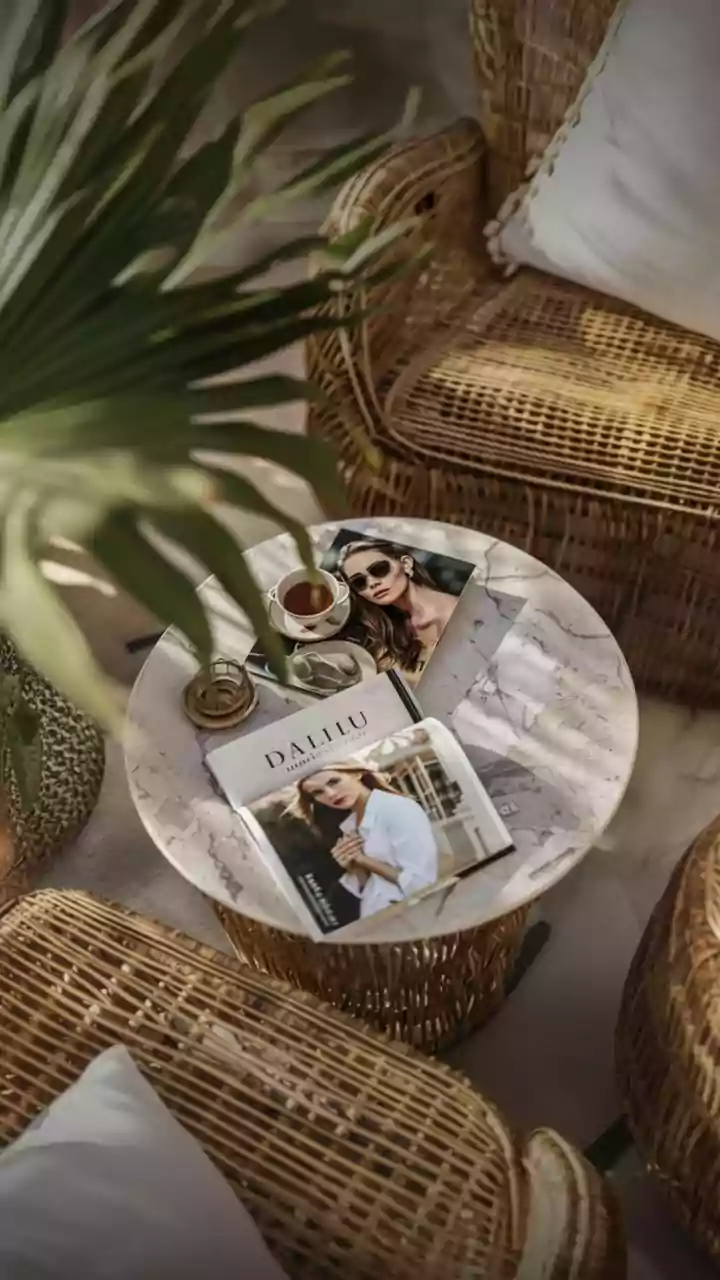
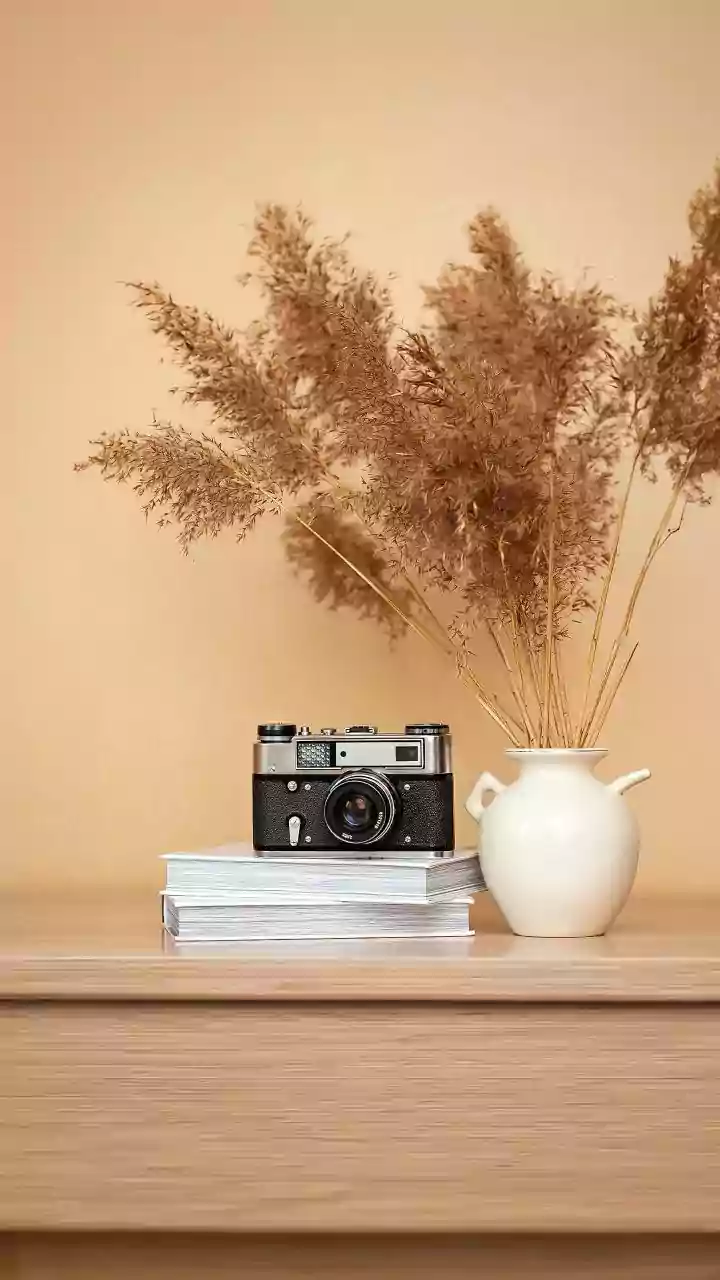
Nowhere is this shift more apparent than in the treatment of books. Once relegated to neat, uniform rows, books are now being celebrated as powerful decorative and personal statements. The concept of 'bookshelf wealth' isn't just about owning a lot of books, but about showcasing a collection that chronicles your interests and intellectual journey. Designers are arranging books in creative ways—stacking them to create pedestals for other objects, organising them by colour to add a vibrant splash, or displaying favourite covers like works of art. A well-styled bookshelf, perhaps interspersed with small sculptures or framed photos, can act as a feature wall that tells a story. This approach transforms the bookshelf from mere storage into a biography of the home's inhabitants, a testament to a rich interior life.
Souvenirs Over Store-Bought
Alongside books, travel finds are becoming the new centrepieces of personal decor. A recent report noted that over half of travellers display souvenirs in their homes, seeking to keep their memories alive. This trend, dubbed 'Peak Travel', is about intentionally weaving mementos—a hand-painted bowl from Mexico, a woven blanket from Peru, a ceramic vase from a local market—into your everyday space. The goal isn’t to create a theme-park version of a country, but to layer your home with authentic pieces that have personal meaning and history. These objects serve as conversation starters and daily reminders of adventures. Experts suggest using them to create small, curated vignettes on shelves or tables, or even repurposing them for functional use, like turning a beautiful bowl into a sink basin. The value isn’t in the price tag, but in the story the object tells.
The Psychology of 'Perfectly Imperfect'
So, what's driving this move towards more personal interiors? Many experts believe it's a reaction to our increasingly digital and disconnected world. After years of global disruption and staring at screens, people are craving homes that feel like genuine shelters—enveloping, tactile, and real. The sterile perfection of minimalism can feel anxious and impersonal, while a home filled with meaningful objects feels grounding and authentic. This is about creating a space with 'soul'. It’s a departure from fast decor and algorithm-led aesthetics towards interiors that support how we actually live, rest, and connect. By surrounding ourselves with the books we've read, the art we love, and the keepsakes from our journeys, we build a narrative of our lives that a showroom can never replicate.