



A Visionary Gamble Meets Reality
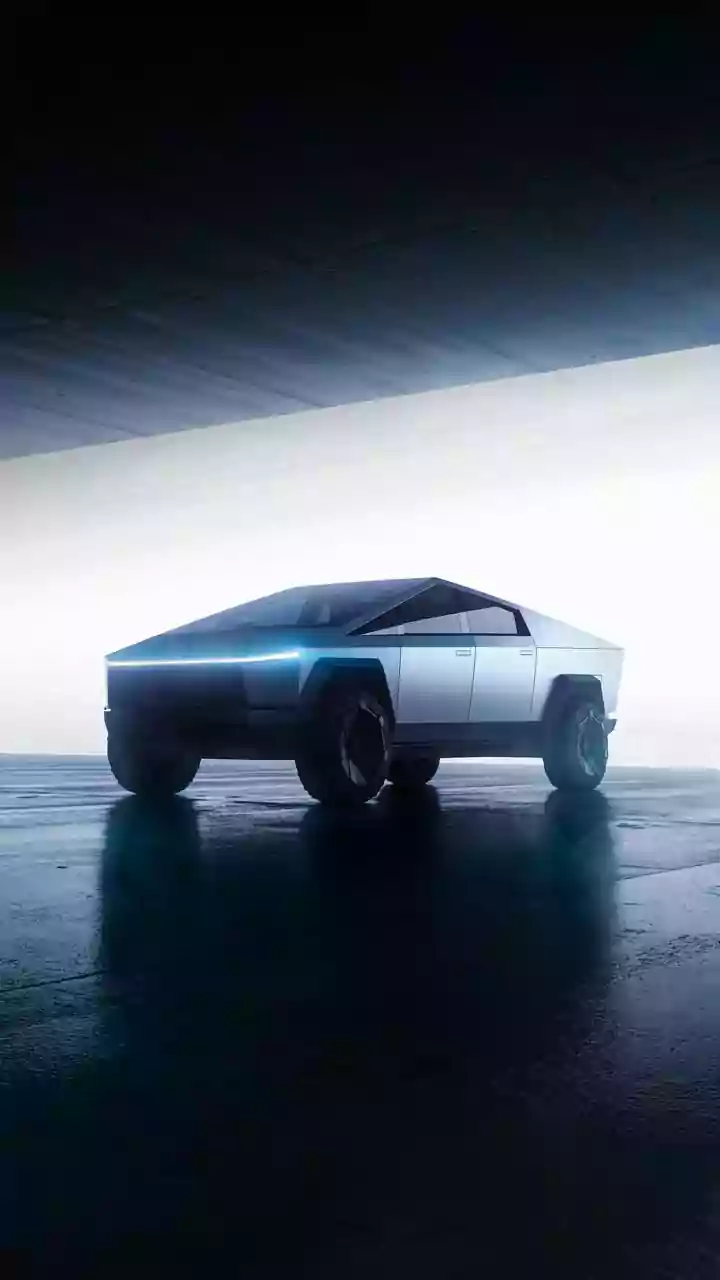
When Elon Musk unveiled the Tesla Cybertruck in 2019, it was unlike anything the automotive world had ever seen. With its stark, angular stainless-steel body, it looked more like a vehicle from a dystopian film than a practical pickup. Musk himself called
it Tesla’s “best product ever” and set an ambitious annual production target of 250,000 units. The reveal was memorable, complete with a failed demonstration of its “armor glass,” but it generated immense buzz and reportedly over a million reservations. However, after a series of production delays, the truck that finally hit the road in late 2023 is facing a commercial reality that is a far cry from those initial, lofty ambitions.
The Numbers Tell the Story
The term “commercial struggle” is supported by stark sales data. In its first full year on the market, 2024, the Cybertruck sold just under 40,000 units in the U.S. The following year, the numbers were nearly halved, with sales plummeting by 48% to just over 20,000 units in 2025. The trend continued into 2026, with the first quarter hitting a record low of only 3,519 deliveries. This steep decline occurred while some competitors in the electric truck space, like General Motors, saw their sales grow. The gap between the 250,000-unit annual target and the actual sales has been so significant that it has drawn comparisons to one of the most infamous product failures in automotive history.
The Edsel of the EV Era?
Multiple analysts and reports have started calling the Cybertruck a modern-day Ford Edsel. The Edsel, launched in 1957 with massive fanfare and a target of 200,000 cars, sold less than a third of that in its first year and was quickly discontinued. A recent Bloomberg analysis argued that the Cybertruck’s shortfall is proportionally even more severe. While the Edsel's failure was blamed on its unconventional design and quality issues, the Cybertruck faces similar criticisms. Its radical appearance, which was supposed to be its greatest strength, appears to have made it a niche product rather than a mainstream contender in the massive American truck market.
An Analyst Predicts a Slow Fade
This is where the analyst prediction from the headline comes in. Garrett Nelson, an equity analyst at CFRA Research, has suggested that Tesla is unlikely to abruptly discontinue the Cybertruck, given the investment and its status as a passion project for Musk. Instead, Nelson believes the truck is “probably just going to fade away.” He speculates that Tesla could attempt to revive interest by introducing a redesign or a new, different variant. However, he expressed skepticism about such a move, calling it a potentially “futile effort.” The core issue remains whether a modified design can win over traditional truck buyers who have so far been hesitant.
Underlying Production and Demand Issues
The challenges are not just about consumer taste. The Cybertruck’s unique stainless-steel body has proven difficult to manufacture at scale, leading to production bottlenecks and quality control issues. Furthermore, the sales figures that have been reported may not fully reflect organic consumer demand. Registration data revealed that a significant number of vehicles were sold to other companies controlled by Elon Musk. For instance, in the fourth quarter of 2025, nearly one-fifth of all Cybertrucks registered in the U.S. were purchased by entities like SpaceX. These internal sales helped bolster the delivery numbers, masking an even weaker market reception.