


In cities across India, a quiet green revolution is taking root, not in large fields, but on sunny kitchen windowsills. More urban dwellers are discovering the joy of growing their own herbs, an easy and rewarding entry into the world of home gardening.
The Rise of the Windowsill Garden
What began for many as a lockdown hobby has blossomed into a lasting lifestyle choice. The trend of urban gardening is growing rapidly in cities like Bengaluru, Mumbai, and Delhi, where space is a premium but the desire for freshness is high. This shift is driven by a growing awareness of food safety and the use of pesticides in commercially grown produce. Having a small pot of tulsi or a container of mint offers a sense of control over what goes into our food. Furthermore, the convenience of having fresh, flavourful ingredients just an arm's length away is transforming daily cooking. It's a simple way to connect with nature amid the concrete hustle, offering a daily dose of stress relief and a tangible sense of accomplishment.
Your Simple Starter Kit
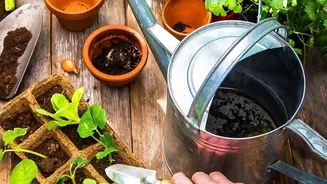
Starting a windowsill herb garden is far less complicated than it sounds and doesn't require expensive equipment. All you really need are a few basic items. First, choose your containers; small pots, repurposed tins, or rectangular planters all work, as long as they have drainage holes at the bottom to prevent waterlogging. Next is the growing medium. Instead of using heavy garden soil, a light and airy potting mix is recommended. A common beginner-friendly mix includes equal parts coco peat (for moisture retention), compost (for nutrients), and regular soil. Finally, you will need seeds or small saplings from a local nursery. With these three components, plus a spot that gets adequate sunlight, you are ready to begin.
Five Fail-Proof Herbs for Indian Kitchens
Choosing the right plants is key to a successful start. These five herbs are not only central to Indian cooking but are also remarkably easy to grow in our climate. 1. Tulsi (Holy Basil): Revered in Indian households, Tulsi is hardy and thrives in sunlight. Its leaves are perfect for tea and have numerous wellness benefits. Just ensure it gets plenty of sun and is watered regularly. 2. Pudina (Mint): This herb grows vigorously and is perfect for chutneys, raitas, and cool drinks. In fact, it grows so well that it's best to keep it in its own pot. It can tolerate partial shade, making it ideal for balconies with varied light. 3. Dhaniya (Coriander): No Indian dish feels complete without a garnish of fresh dhaniya. You can even grow it from the whole coriander seeds in your spice box. It grows quickly, and you can have fresh leaves to harvest in just a few weeks. 4. Curry Patta (Curry Leaf): A small curry leaf plant in a pot can provide you with aromatic leaves for all your tadkas. It's a staple that does well in a sunny spot. 5. Ajwain (Carom): The plant's leaves have a sharp, distinctive flavour, great for pakoras or parathas. It's a low-maintenance herb that grows well in pots with good drainage and sunlight.
The Basics of Care: Sun and Water
The two most critical factors for your new herb garden are sunlight and water. Most herbs, including the ones listed above, need at least four to six hours of sunlight per day to thrive. A south or west-facing windowsill is often ideal. Observe your space to see where you get the most consistent light. When it comes to watering, the biggest mistake beginners make is overwatering. A good rule of thumb is to water the plants when the top inch of the soil feels dry to the touch. The goal is to keep the soil moist, not soggy. Proper drainage is crucial, so always ensure your pots allow excess water to escape.
More Than Just a Garnish
The benefits of a kitchen herb garden extend far beyond fresh flavours. The simple act of tending to plants—watering them, watching them grow—is a proven stress-buster and a great way to disconnect from screens. It reduces waste, as you can snip off exactly what you need, avoiding the problem of leafy bunches wilting in the fridge. Growing your own food, even on a small scale, fosters a deeper connection to what you eat and can be a wonderful activity for the entire family. It's a small step towards a more sustainable and mindful way of living, proving that you don't need a large backyard to enjoy the fruits of gardening.