

The Daily Protein Requirement
Before we dive into dal, let's talk about why protein matters. It's the essential building block for our muscles, tissues, hormones, and immune cells. The Indian Council of Medical Research (ICMR) suggests a daily protein intake of about 0.8 to 1.0 grams
per kilogram of body weight for a relatively sedentary adult. For a person weighing 60 kilograms, this translates to roughly 48 to 60 grams of protein per day. While fitness enthusiasts aiming for muscle gain might need significantly more—upwards of 1.6 grams per kilogram—most of us are simply looking to meet our daily baseline for good health. This is where dal transforms from a simple comfort food into a nutritional workhorse.
Dal's Protein Power by the Numbers
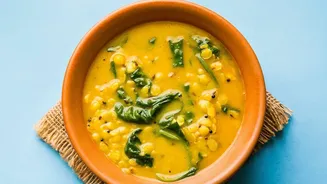
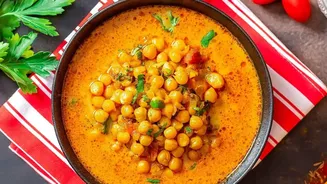
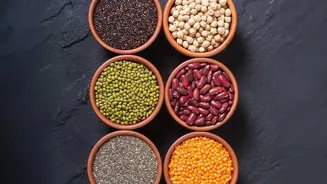
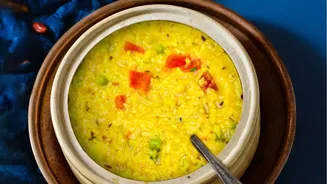
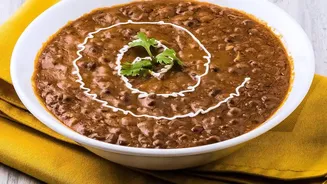
Not all dals are created equal, but all are excellent sources of plant-based protein. Moong, masoor (red lentil), and urad dal (black gram) lead the pack, offering approximately 24-25 grams of protein per 100 grams of dry lentils. Toor (arhar) dal, a staple in many households, provides around 22 grams, while chana dal offers about 25 grams. A single cooked cup of dal typically provides between 12 to 18 grams of protein, depending on the variety and consistency. This makes a simple bowl of dal a significant contributor to your daily protein target, easily providing a quarter to a third of what a sedentary adult needs.
The 'Complete' Protein Secret
You may have heard that most plant proteins are 'incomplete,' meaning they lack one or more of the nine essential amino acids our bodies can't produce on their own. Dal, like other legumes, is typically low in the amino acid methionine. Cereals like rice and wheat, on the other hand, are low in lysine, an amino acid that dal has in abundance. This is why the timeless Indian combination of dal-chawal (dal and rice) or dal-roti is a stroke of nutritional genius. When eaten together in the same meal, they complement each other to form a 'complete protein,' providing all the essential amino acids your body needs for muscle repair and growth.
More Than Just Muscle Fuel
Focusing only on dal's protein content would be a disservice to its all-around benefits. Dals are packed with dietary fibre, which aids digestion, promotes a feeling of fullness, and helps regulate blood sugar levels. This makes dal an excellent food for weight management and for individuals with diabetes. Furthermore, dals are rich in essential micronutrients like folate, iron, magnesium, and potassium, which are crucial for energy production, heart health, and overall bodily function. Unlike many high-protein animal sources, dal is naturally low in fat and free of cholesterol, making it a heart-healthy choice.
Smart Preparation for Maximum Benefit
How you cook your dal can enhance its nutritional value. Soaking dals for a few hours before cooking can help reduce phytic acid, a compound that can interfere with the absorption of minerals. For an even bigger nutritional boost, you can sprout whole dals like moong, which increases their vitamin content and makes them easier to digest. To keep the meal balanced and avoid excess calories, be mindful of the amount of ghee or oil used in the tadka (tempering). Adding vegetables to your dal not only enhances its flavour but also increases its fibre and vitamin content. Finally, traditional wisdom suggests boiling the dal in an open pot and skimming off the initial foam, which can help remove impurities and make it lighter on the stomach.