
The Dahi Kebab Dilemma
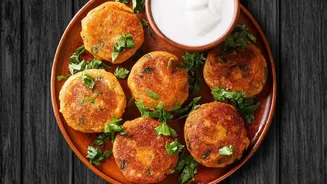
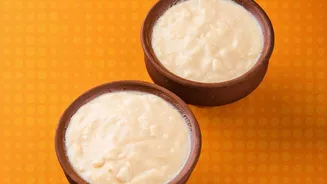
Anyone who has attempted to make dahi kebabs knows the primary challenge: moisture. The star ingredient, hung curd, is inherently soft and delicate. While its creamy, melt-in-the-mouth quality is what makes these kebabs so beloved, it's also what makes them
prone to breaking apart, especially when hitting hot oil. The mixture can be too sticky to shape, or worse, disintegrate during frying, leading to a frustrating and messy experience. This happens because even after draining, hung curd retains a level of moisture that needs a binding agent to give it structure and stability.
The Quest for the Right Binder
To counter the softness of the curd, cooks have traditionally turned to various binding agents. Roasted gram flour (besan) is a common choice, lending a nutty aroma and absorbing excess moisture. Breadcrumbs are another popular option, helping to create a firm patty and a crisp coating. Some recipes even call for mashed potatoes, though this can significantly alter the authentic taste and texture of the kebab. While these binders work to hold the kebab together, they can sometimes come at a cost, either by making the kebab dense, giving it a floury taste, or overshadowing the delicate flavour of the yogurt.
Enter Paneer: The Perfect Partner
This is where crumbled or grated paneer comes in as a superior solution. Many modern recipes and chefs champion the use of paneer not just as a filler, but as a strategic structural ingredient. When mixed with hung curd, paneer performs two crucial roles. Firstly, it helps to absorb any residual moisture, creating a dough that is much easier to handle and shape. Secondly, it adds body and structure, helping the kebab hold its form during the frying process. This ensures your kebabs don't melt or break apart in the pan.
Preserving the Creaminess
What makes paneer truly special in this application is its ability to bind without compromising the kebab's signature texture. Unlike flour or breadcrumbs which can make the interior dense or dry, paneer's own milky, soft texture seamlessly blends with the hung curd. It provides the necessary structure while enhancing the overall creamy, melt-in-the-mouth experience. Paneer balances the tang of the yogurt and adds a wonderful texture, preventing the final product from tasting like a bland chunk of cooked yogurt and flour. It supports the creaminess rather than masking it.
Tips for Perfect Paneer-Bound Kebabs
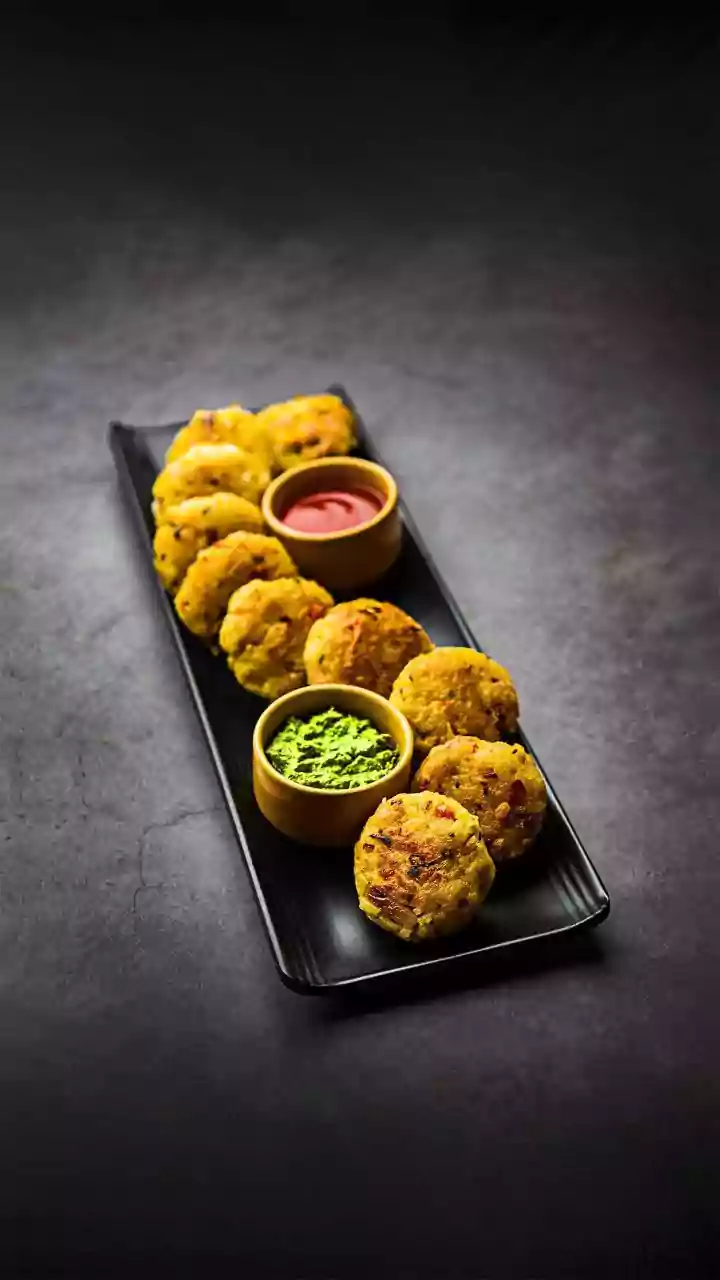
To make the most of this technique, start with very well-hung curd, ensuring almost all the whey has been drained, preferably overnight in the refrigerator. Use fresh, soft paneer and crumble it finely so it integrates smoothly into the curd. Combine the hung curd, crumbled paneer, finely chopped aromatics like ginger and green chillies, and spices. Mix gently until just combined to form a non-sticky dough. If the mixture still feels too wet, you can add a small amount of roasted besan or breadcrumbs, but let the paneer do most of the heavy lifting. For best results, shape the patties and then let them firm up in the refrigerator for at least 30-60 minutes before frying. This small step makes a huge difference in helping them hold their shape.