



The Famous but Crowded South Coast
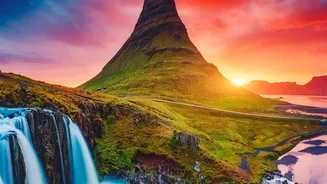
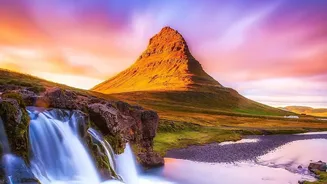
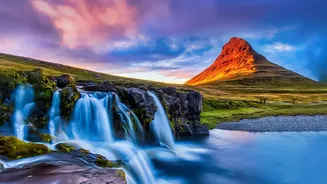
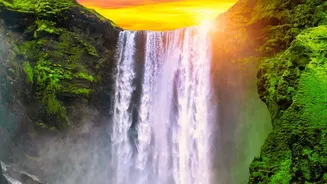
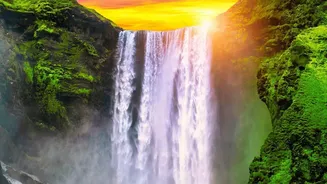
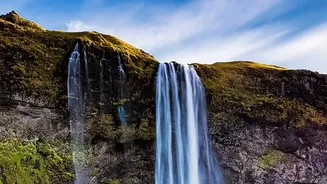
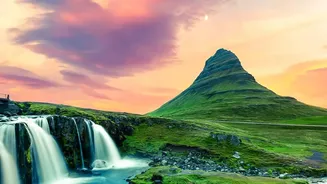
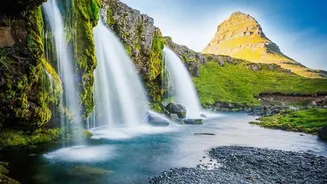
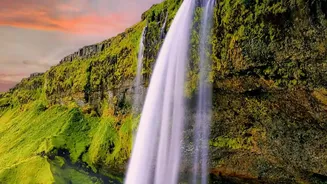
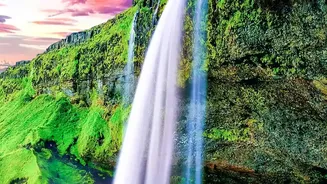
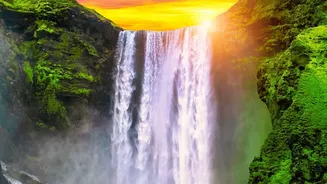
Iceland’s South Coast is a highlight reel of natural wonders, but its accessibility from Reykjavík means you'll be sharing the view. Waterfalls like Seljalandsfoss, where you can walk behind the cascade, and the mighty Skógafoss are breathtaking, but they
are also primary stops for nearly every tour bus and self-drive itinerary. Parking lots can be full, and the trails crowded, especially between 10 a.m. and 4 p.m. While these falls are undeniably worth seeing, the experience can sometimes feel more like a queue than a communion with nature. The good news is that tranquility is often just a short walk or drive away.
Gljúfrabúi: The Hidden Neighbour
Just a few hundred metres north of the bustling Seljalandsfoss lies one of the South Coast's best-kept secrets: Gljúfrabúi, the 'Canyon Dweller'. This 40-metre waterfall is almost completely hidden from view, tucked away inside a narrow moss-covered gorge. To see it, you must wade through a shallow stream and step over slick rocks, which deters many visitors. Your reward is an ethereal chamber where water tumbles into a pool, often with only a handful of other people, or even all to yourself. It offers a magical, intimate experience that stands in stark contrast to the crowds just a five-minute walk away.
Kvernufoss: Skógafoss's Serene Sibling
Similarly, while crowds gather at the base of Skógafoss, a quieter alternative is hidden nearby. Kvernufoss, a stunning 30-metre waterfall, is located just east of the Skógar Museum. The hike to reach it is a relatively easy 15- to 20-minute walk along a river into a beautiful gorge. Because it's not visible from the Ring Road and requires a short trek, Kvernufoss remains overlooked by many tourists. Much like Seljalandsfoss, you can even walk behind the cascade, feeling the spray inside a shallow cave without the jostling crowds.
Brúarfoss: Iceland's Bluest Waterfall
Located within the popular Golden Circle route, Brúarfoss is often skipped in favour of the giant Gullfoss. Known as 'Iceland's Bluest Waterfall,' its most striking feature is its impossibly vivid, clear blue water. The water isn't a single drop, but a mesmerising series of small, weaving cascades that converge into a central channel. While access has changed over the years to protect the fragile landscape, a dedicated hiking trail now leads visitors on a scenic walk to the falls. The journey itself helps keep the spot relatively tranquil, offering a peaceful and photogenic reward that feels worlds away from the tour bus circuit.
Aldeyjarfoss: A Northern Treasure
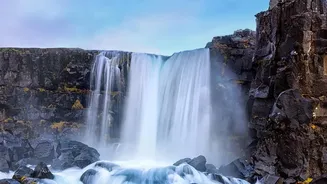
For those venturing to North Iceland, Aldeyjarfoss offers a dramatic and remote experience. While not as tall as some of its southern counterparts, this 20-metre waterfall is famed for the stark contrast between its white, churning water and the surrounding dark, hexagonal basalt columns. Located at the edge of the Highlands, getting there requires a drive down a gravel road, which means it sees far fewer visitors than the more accessible Goðafoss nearby. Its remote location ensures that those who make the journey are rewarded with a powerful sense of solitude and stunningly unique geology.
Tips for Beating the Crowds
Even if you want to see the famous spots, you can still find quiet moments. The single most effective strategy is to go early in the morning (before 9 a.m.) or late in the evening (after 6 p.m.), especially during the summer months with the midnight sun. Most tours operate on a standard schedule, creating a predictable rush hour at major sites. Consider travelling in the shoulder seasons, like May or September, when tourist numbers drop significantly but the weather is still favourable. Finally, don't be afraid to take the trail less travelled; in Iceland, a short hike away from the main viewpoint can lead you to completely empty sections and unexpected beauty.