


Cumin: The Earthy Foundation
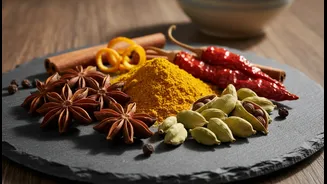
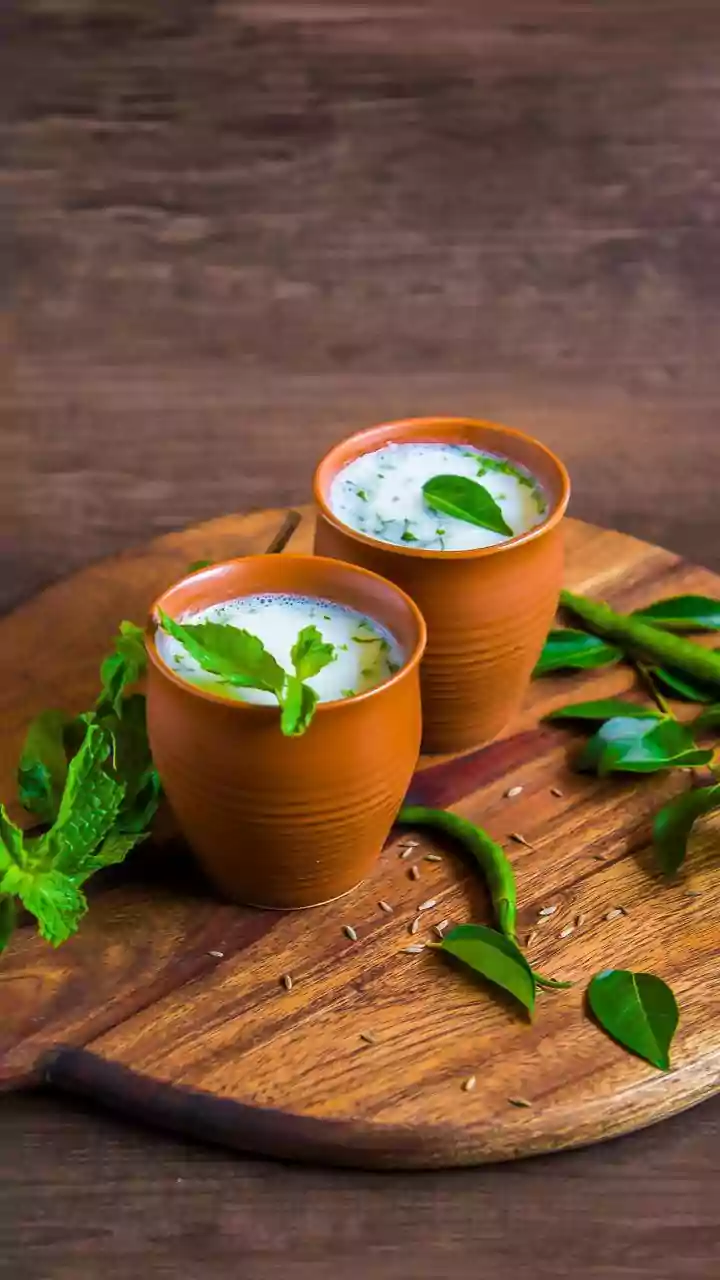
Cumin, or jeera, is a workhorse in the Indian spice box, but its application tells a tale of two halves. In North India, it’s the heart of Punjabi cooking, where whole seeds are often the first thing to hit hot oil or ghee in a process called tadka (tempering).
This step blooms the seeds, releasing a nutty, warm aroma that forms the base for countless dals and vegetable dishes. Ground cumin is also a key player in spice mixes like garam masala. Head south, and while cumin is still present, it often plays a supporting role to mustard seeds in the initial tadka. In the west, particularly in Gujarat, cumin is often dry-roasted with coriander to create 'dhana jeera,' a foundational powder for the region's famously balanced sweet and savoury dishes.
Garlic: The Pungent Powerhouse
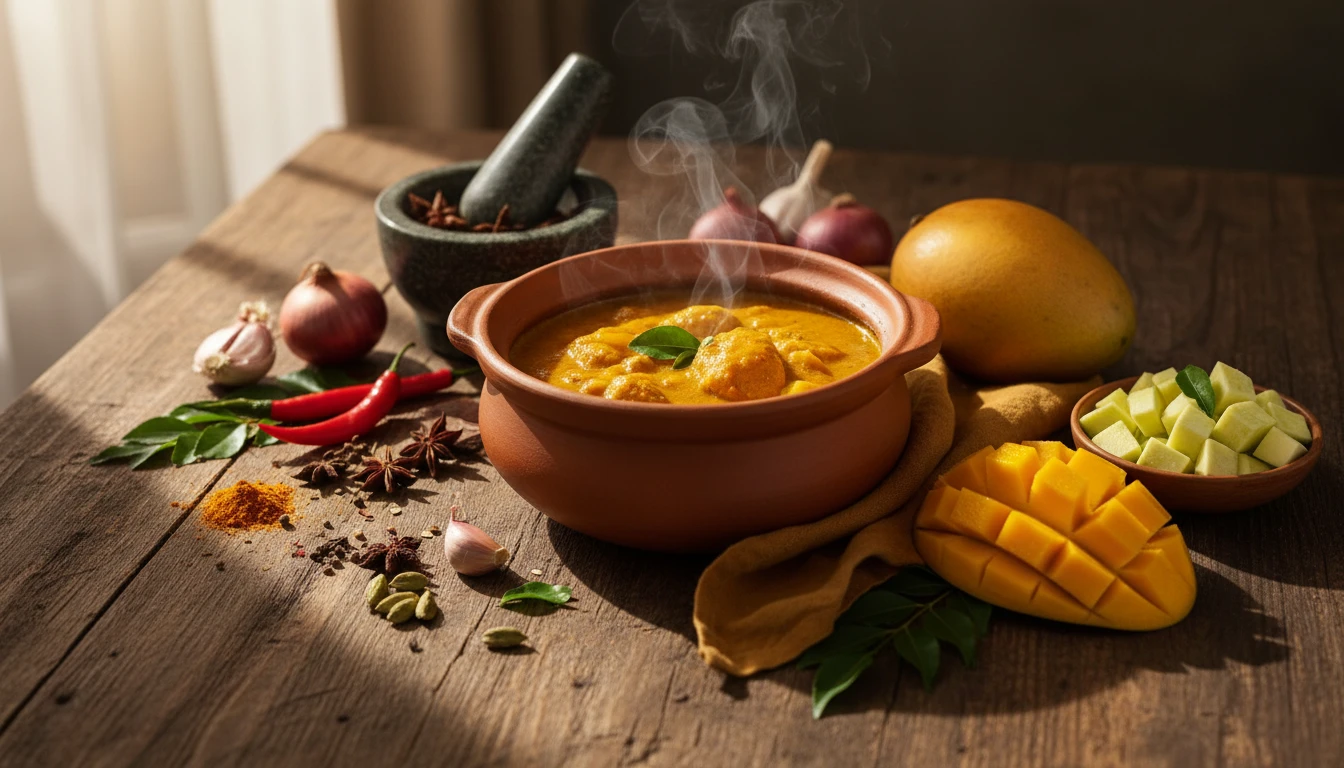
Garlic's pungent and robust flavour is a cornerstone of Indian cooking, but its intensity and partners change dramatically across the country. In the North, it forms a classic trio with ginger and onion, creating the rich, deep base for hearty curries and marinades for tandoori meats. Dishes like Rogan Josh and butter chicken rely on this aromatic foundation. Travel south, and you’ll find garlic used in spicy chutneys and tangy soups like rasam, but its presence can be more nuanced. Furthermore, some traditional South Indian Brahmin or Sattvic cooking styles historically omit onion and garlic entirely, focusing on other spices to build flavour. This makes garlic's presence a significant regional and even communal differentiator.
Curry Leaves: The Scent of the South
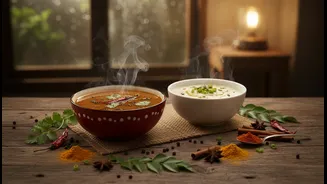
Nothing evokes the aroma of a South Indian kitchen quite like the sizzle of fresh curry leaves. These glossy green leaves, unrelated to curry powder, are essential in the cuisines of Tamil Nadu, Kerala, Karnataka, and Andhra Pradesh. Typically fried in oil at the start of cooking along with mustard seeds, they release a distinct, slightly citrusy and nutty fragrance that perfumes the entire dish. Whether it’s a lentil stew like sambar, a simple rice dish, or a coconut-based chutney, the flavour imparted by curry leaves is unmistakable. While their use extends into Western India, particularly Maharashtra and Gujarat, they are used far less frequently in the North, making them a true geographic marker of flavour.
Sesame: A Nutty, Warming Twist
Sesame, or 'til', provides warmth and a deep, nutty richness, used as both a seed and an oil. In South India, sesame oil (gingelly or nallenai) is a staple cooking fat, especially in Tamil Nadu and Andhra Pradesh, used for tempering spices or as a finishing drizzle over dishes. It’s also famously mixed with 'podi' (dry chutney powder) to create a dip for idlis. In contrast, sesame's role in the North is often linked to the colder months. Winter sweets like gajak (a brittle made with sesame and jaggery) are popular seasonal treats. In Maharashtrian cuisine in the West, sesame seeds are a vital component of goda masala and are used to add texture and flavour to vegetable dishes.
The Regional Spice Symphony
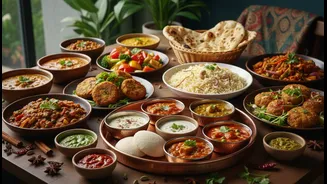
These four ingredients rarely act alone. Their true magic is revealed in how they combine with other regional heroes. The curry leaves of the South dance with coconut and tamarind. The garlic and cumin of the North are enriched by dairy, cream, and garam masala. In the East, cumin might join mustard seeds and fennel in the five-spice blend known as panch phoron, used with mustard oil. In the West, sesame and cumin might find themselves in dishes balanced by the sweetness of jaggery and the sourness of kokum. This interplay creates the complex, layered flavours that make each region's cuisine a unique and delicious discovery.