





Kohora (Central Range): The Classic Experience
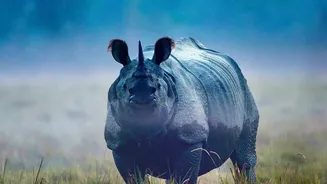
For most first-time visitors, the Kohora Range is the quintessential Kaziranga experience. As the most popular and centrally located zone, it offers a fantastic mix of sprawling grasslands, wetlands, and forests. This balanced habitat makes it a prime
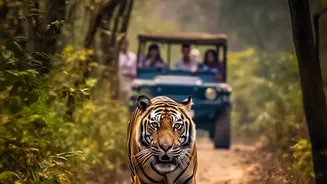
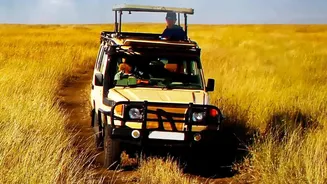
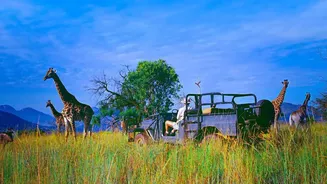
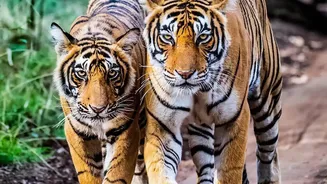
location for spotting the park's iconic residents, including the one-horned rhino, wild elephants, swamp deer, and wild water buffalo. Tiger sightings, though rare due to the tall grasses, are also possible here. Both jeep and elephant safaris are available in this range, with the early morning elephant-back rides offering a unique perspective across the misty landscape. Its accessibility and high chances of diverse sightings make Kohora an ideal starting point for any Kaziranga adventure.
Bagori (Western Range): The Rhino Heartland
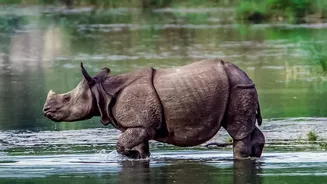
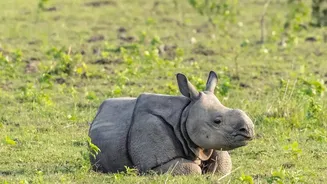
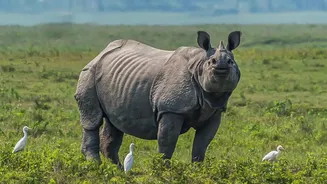
If getting close-up photographs of the one-horned rhinoceros is your top priority, the Bagori Range is the place to be. This zone is characterized by wide, open grasslands and numerous water bodies, which draw large herbivores out into the open. Consequently, it is renowned for offering some of the most consistent and intimate rhino sightings in the entire park. Herds of wild elephants and wild water buffalo are also frequently seen. Like the Central Range, Bagori offers both jeep and elephant safaris. The elephant safaris here are particularly popular for navigating the marshy terrain and getting exceptionally close to the rhinos as they graze.
Agoratoli (Eastern Range): A Birder's Paradise
The Agoratoli Range, bordering the Brahmaputra River, offers a completely different atmosphere. This zone is dominated by vast wetlands, riverine habitats, and swampy areas, making it the undisputed champion for birdwatching. It attracts a staggering variety of resident and migratory birds, especially during the winter months. Keep your binoculars ready for sightings of pelicans, storks, Pallas's Fish Eagle, and a host of waterfowl. While mammal sightings like rhinos and elephants are still common, the serene landscape and rich avian diversity are the main attractions here. Note that only jeep safaris are permitted in the Agoratoli Range, providing a peaceful experience for nature lovers.
Burapahar (Ghorakati Range): The Offbeat Adventure
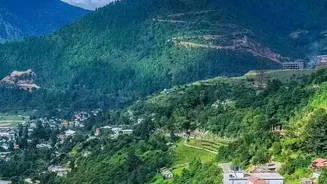
For those seeking a quieter, more rugged experience, the Burapahar Range in the west offers a welcome change of pace. Unlike the other zones, its terrain is distinctly hilly and covered in dense forests. This makes it the ideal habitat for forest-dwelling species. While rhino sightings are less common, this is the best place in Kaziranga to spot the Hoolock Gibbon—India's only ape—and Capped Langurs. The jeep safari trails here are more adventurous, and the zone also offers opportunities for guided trekking, allowing you to explore the forest on foot. Burapahar is perfect for seasoned wildlife enthusiasts and those wanting to escape the crowds.
Planning Your Kaziranga Safari
The best time to visit Kaziranga National Park is from November to April, as the park remains closed during the monsoon season (typically May to October). The winter months, from November to February, offer cool, pleasant weather and are excellent for both mammal and migratory bird sightings. It's highly recommended to book your safaris in advance, especially during the peak season of December and January. You can book safaris online through the official government portal or via trusted tour operators. For a comprehensive experience, consider spending at least two to three days in Kaziranga and taking safaris in multiple zones to appreciate the park's incredible diversity.