


The Myth of the Recovery Limit
A widespread misconception about stroke recovery is that progress slows to a halt within the first few months. While it's true that the most rapid gains often occur shortly after the stroke, this is far from the end of the story. The idea of a fixed 'plateau'
is being challenged by modern neuroscience. Evidence shows that with the right approach, meaningful functional improvements are possible for months and even years post-stroke. This isn't about wishful thinking; it’s about the brain’s remarkable capacity for change, a process that doesn't operate on a strict deadline. The recovery journey is a marathon, not a sprint, and continued effort can lead to continued progress.
Your Brain's Power to Rewire Itself
The key to long-term stroke recovery lies in a process called neuroplasticity. Think of it as the brain's innate ability to reorganise itself by forming new neural connections. When a stroke damages one area of the brain, neuroplasticity allows healthy, surrounding areas to learn to take over the functions of the injured parts. This rewiring is not automatic; it is driven by experience and repetitive practice. Every time a survivor practices a movement, tries to form a word, or completes a daily task, they are encouraging their brain to build these new pathways. It's a powerful demonstration that the brain is not a static organ but a dynamic one, capable of adapting and healing over time.
What Long-Term Rehabilitation Looks Like
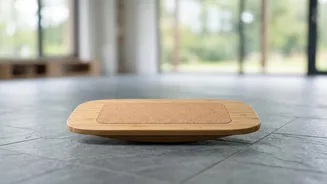
Post-hospital rehabilitation is a structured programme designed to harness neuroplasticity. It is typically a multidisciplinary effort tailored to the individual's needs. Key therapies include: Physical Therapy (PT), which focuses on restoring movement, balance, and strength, helping survivors relearn to walk or use their limbs. Occupational Therapy (OT) is centred on improving the ability to perform activities of daily living (ADLs), such as dressing, eating, and personal grooming. It helps people regain their independence in a practical, day-to-day sense. Speech-Language Therapy addresses issues with communication (aphasia) and swallowing difficulties (dysphagia), which are common after a stroke. These therapies evolve as the survivor progresses, moving from foundational skills to more complex, real-world applications.
Integrating Recovery into Daily Life
Formal therapy sessions are crucial, but true, lasting recovery happens when rehabilitation principles are woven into the fabric of daily life. This means turning everyday actions into therapeutic opportunities. For instance, cooking can become an exercise in fine motor skills and cognitive planning. A walk in a local park can serve as balance and endurance training. The goal is to consistently and repetitively use the skills being relearned. This approach is vital, particularly in countries like India where access to long-term, formal rehabilitation centres can be limited, especially in rural areas. Community and family support become indispensable, helping to create an environment that encourages continuous practice and adaptation.
Finding the Right Support System
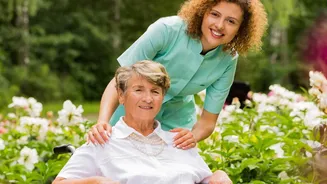
Navigating post-stroke care can be challenging for survivors and their families. After hospital discharge, options often include inpatient rehabilitation facilities, outpatient clinics, and home-based therapy. In India, dedicated rehabilitation hospitals and community-based programmes are emerging to fill a critical need. These centres provide access to a team of specialists, including physiatrists, physiotherapists, and occupational therapists, who work together to create a comprehensive plan. Beyond professional help, support groups offer invaluable emotional and practical peer support. The key is to build a collaborative team that empowers the survivor, addresses challenges, and celebrates every step of progress, reinforcing the message that recovery is a continuous journey.