


India's electric vehicle market just hit another major milestone. New data reveals that electric car registrations soared in October 2026, showcasing a dramatic year-on-year growth that far outpaces the broader passenger vehicle market.
The Numbers Behind the Boom
Retail sales of
electric passenger vehicles in India reached approximately 37,000 units in October 2026. This represents a staggering year-on-year (YoY) increase of over 76% compared to the roughly 21,000 units sold in October 2025. This growth is even more significant when considering the overall passenger vehicle market saw a decline during the same period. As a result, the market share of electric cars in total vehicle sales has more than doubled, climbing to around 7.3% in October 2026 from just 3.5% a year prior. This highlights a clear and accelerating shift in consumer preference towards electric mobility.
Who is Leading the Charge?
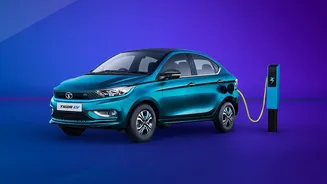
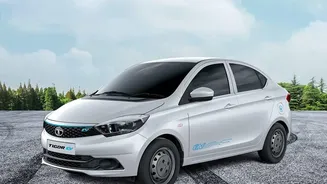
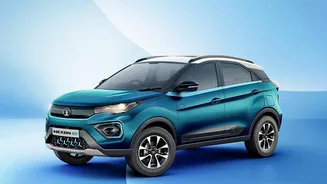
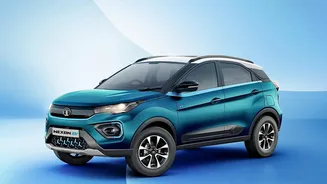
Tata Motors continues its reign as the undisputed leader in India's EV space, accounting for over 40% of the market with nearly 14,700 cars sold in October. While dominant, its leadership is being increasingly challenged by strong competition. Mahindra and Mahindra has firmly secured the second position, with its sales growing by an impressive 85% YoY to over 8,500 units, capturing nearly 24% of the market. Following them is JSW MG Motor, which ranked third with almost 6,000 units sold. Together, Tata and Mahindra command nearly two-thirds of the entire Indian electric car market. A notable mention is the Vietnamese automaker VinFast, which saw an extraordinary YoY surge of over 1,700%, quickly establishing itself as a significant player in the market.
The Models and Makers Gaining Ground
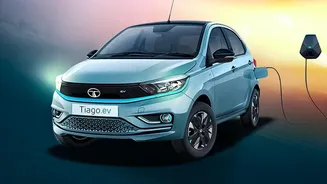
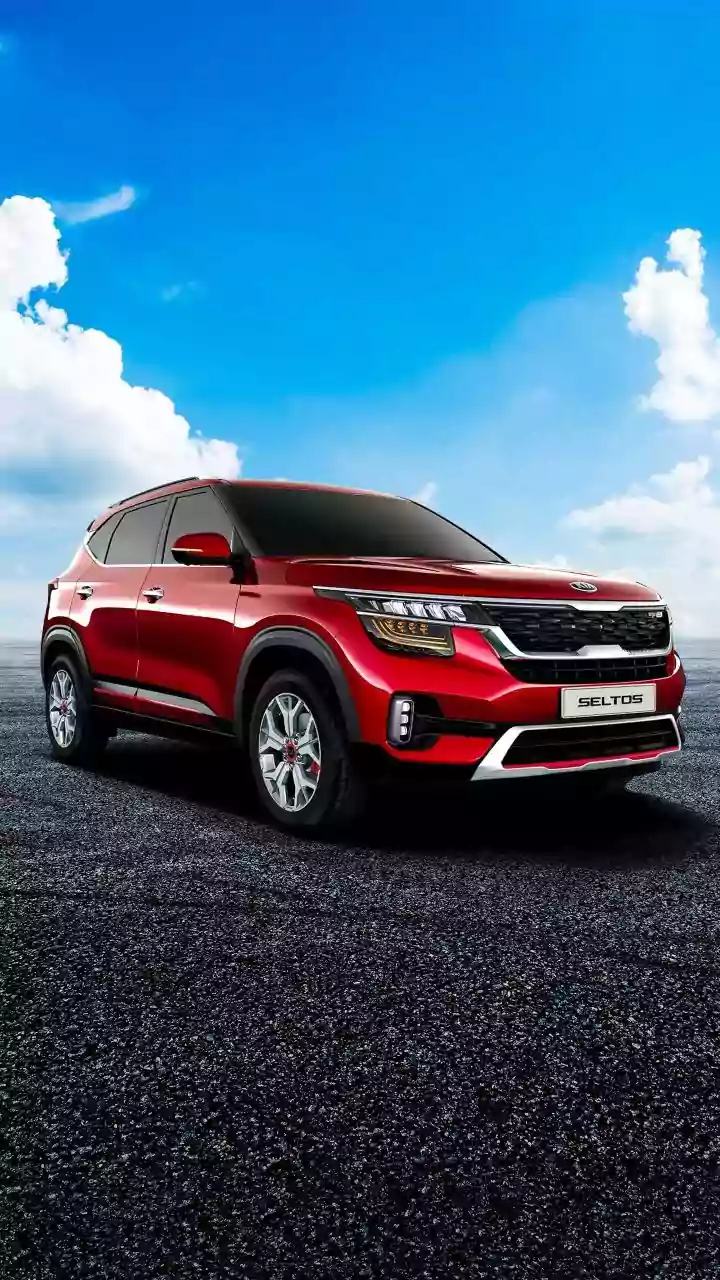
The sales surge isn't just about the top players. A growing portfolio of models across different price points is crucial to this expansion. Tata's wide range, including the Punch EV, Nexon EV, and Tiago EV, gives it a presence in multiple segments. Mahindra has found success with models like the BE.05 and XUV400. Beyond the leaders, other brands are making significant inroads. Kia India's sales more than doubled YoY, driven by models like the EV9 and the upcoming Syros EV. Even Maruti Suzuki, traditionally a leader in internal combustion engine (ICE) vehicles, is making its presence felt, selling around 1,200 units of its eVX in October. The luxury segment also saw participation from brands like BMW and Tesla.
What's Fuelling the EV Fire?
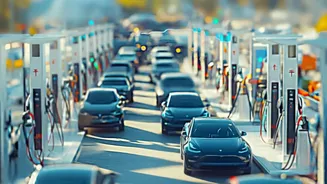
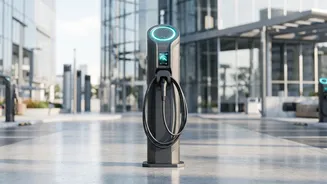
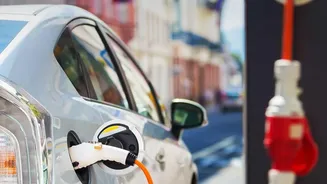
Several factors are converging to supercharge India's EV adoption. Persistently high fuel prices make the lower running costs of EVs increasingly attractive to consumers. Simultaneously, the ecosystem supporting EVs is maturing. The government's push through policies like the PM E_DRIVE scheme, which supports charging infrastructure, has been pivotal. While direct purchase subsidies for private cars are now limited, state_level incentives like road tax waivers and registration fee exemptions in states such as Delhi, Maharashtra, and Gujarat provide significant cost benefits. This, combined with a wider choice of models and an expanding public charging network, is reducing 'range anxiety' and building consumer confidence.